MWE Correspondent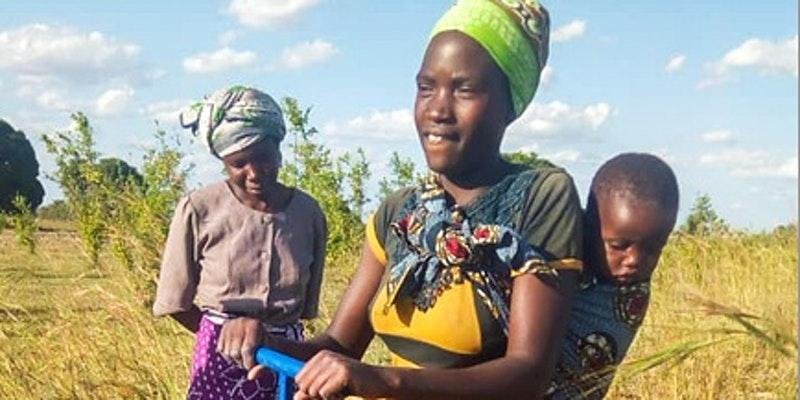
For decades, Tanzania’s economic story has largely been told through the growth of cities and major commercial centres. But the 2026/27 National Budget is sending a powerful message:
the country’s next development breakthrough will begin in rural Tanzania, where more than 65 percent of citizens live, work and build their futures.
The budget places rural transformation at the heart of national development, recognising that sustainable economic growth cannot be achieved unless prosperity reaches villages, farming communities and underserved regions. Through strategic investments in agriculture, infrastructure, social services and regional development, the Government aims to unlock the enormous economic potential that exists beyond urban centres.
At the centre of this vision is agricultural transformation. Agriculture remains the backbone of the Tanzanian economy and the primary source of livelihood for millions of households. The Government is therefore prioritising programmes that increase productivity, strengthen value addition and improve market access for farmers.
One major focus is the edible oil industry. Tanzania continues to spend significant resources importing edible oils despite possessing vast agricultural potential. Under the new budget, measures have been introduced to encourage local production through continued tax incentives, subsidies for sunflower and cotton seeds and expanded support to domestic processors. Government plans to distribute millions of seedlings annually are expected to boost production and gradually reduce dependence on imports.
The cotton sector is also receiving renewed attention. New incentives aimed at strengthening textile and garment manufacturing are expected to create demand for locally produced cotton while increasing income opportunities for farmers. By promoting value addition within the country, Tanzania hopes to move beyond exporting raw materials and instead create wealth through domestic processing industries.
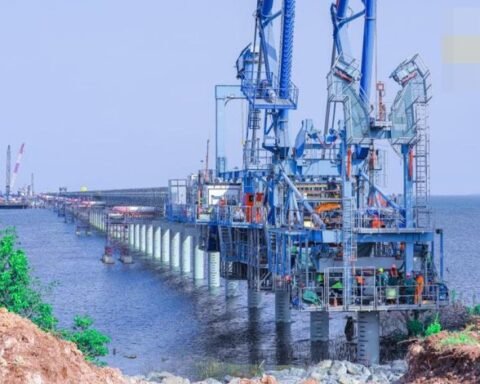
Infrastructure development remains another pillar of the rural transformation agenda. Continued construction of the Standard Gauge Railway and the revitalisation of TAZARA are expected to improve connectivity between production areas and major markets. These projects will not only reduce transportation costs but also attract new investments into regions that have historically faced development challenges.
The budget further highlights the need for targeted interventions in regions that continue to lag behind economically. By directing investments toward social services, productive sectors and local infrastructure, the Government intends to reduce regional disparities and ensure that growth is shared more equitably across the country.
Young people and women in rural communities are expected to benefit from expanded access to entrepreneurship programmes, vocational training and financial support initiatives. These efforts are designed to create employment opportunities closer to home while reducing economic pressures that often drive migration to urban areas.
Beyond economic indicators, the rural development strategy represents a commitment to improving lives. Better roads, stronger markets, modern farming techniques, improved access to services and new investment opportunities can help transform communities and raise living standards across the country.
As Tanzania advances toward the goals of Dira 2050, rural transformation is emerging as one of the most important foundations of national development. The 2026/27 budget makes it clear that the future of the nation will not be built solely in cities, but also in villages, farms and communities where millions of Tanzanians continue to drive the country’s growth story every day.