MWE Correspondent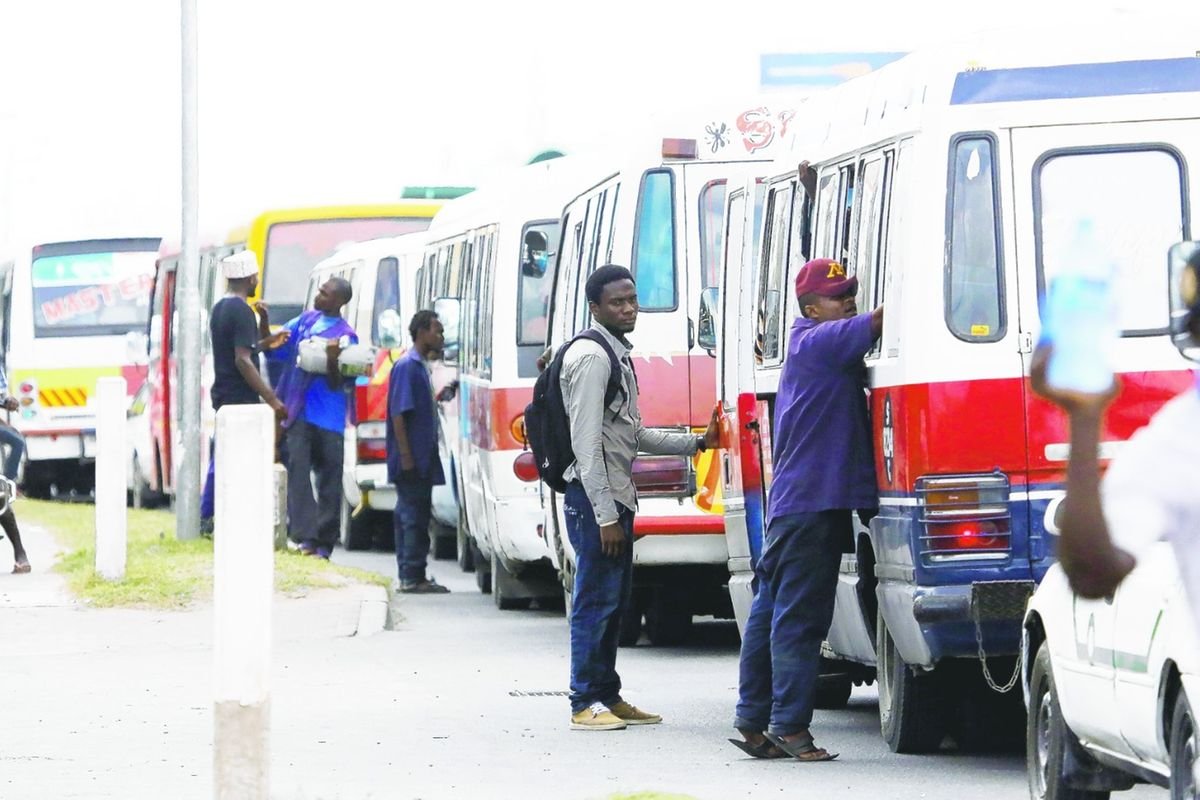
Transport stakeholders in Tanzania are calling on the government to urgently review fuel-related levies, warning that escalating costs are placing mounting pressure on both operators and passengers across the country.
The concerns follow a recent announcement by the Land Transport Regulatory Authority (Latra), which introduced revised fares for commuter buses and ride-hailing services after a sharp rise in fuel prices linked to global supply disruptions.
Under the new fare structure, which takes effect 14 days after the announcement, minimum charges for commuter buses—commonly known as daladala—have increased from Sh600 to Sh700 for short-distance travel. Longer routes are now expected to cost up to Sh1,500, depending on distance and service coverage.
Long-distance transport has also been affected. Fares for routes such as Dar es Salaam to Arusha have risen significantly, with pricing variations based on the class of service offered. Ride-hailing operators, meanwhile, are now required to operate within newly defined pricing bands set by the regulator, aimed at maintaining order in a rapidly growing segment.
The fare adjustments come in response to a notable surge in fuel prices recorded in April 2026, when petrol costs rose by approximately 33.4 percent. The increase has been attributed to global supply chain disruptions, which continue to impact energy markets worldwide.
Transport operators had initially pushed for a steeper fare adjustment, in some cases proposing increases of up to 100 percent to offset rising operational costs. However, Latra approved what it described as a moderate revision, seeking to strike a balance between protecting consumers from excessive fare hikes and ensuring the sustainability of transport businesses.
Also Read; Gold Demand Rises As Stability Becomes Top Priority
Industry representatives argue that the current levy structure—much of which is tied directly to fuel pricing—is amplifying the financial strain during periods of global price volatility. They say that as fuel costs rise, the associated taxes and levies automatically increase, compounding the burden on operators.
Stakeholders are now proposing a review of the existing formula used to calculate fuel-related charges. They suggest introducing flexible mechanisms that can cushion operators and passengers during temporary global shocks, rather than passing the full cost directly onto end users.
Passengers, particularly in urban centers like Dar es Salaam, are already feeling the impact. For many, daily commuting costs have risen noticeably, raising concerns about affordability in an already challenging economic environment.
Economists warn that sustained increases in transport costs could have wider ripple effects, including higher prices for goods and services, as transportation remains a key component of supply chains.
As discussions continue, pressure is mounting on policymakers to find a balanced solution that addresses the concerns of transport operators while protecting ordinary citizens from escalating living costs.