
 MWE Correspondent
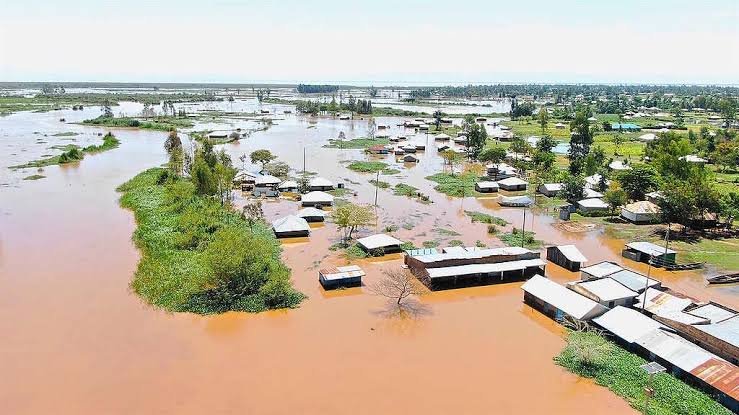
Religious leaders in Tanzania have been urged to use their influence within communities to raise awareness about the potential impacts of El Niño rains and encourage early preparedness measures to protect lives, property and livelihoods.
The call comes amid growing concerns over the possible consequences of heavy rainfall, including flooding, damage to infrastructure, destruction of crops, displacement of families and disruption of essential services.
Greenfaith Tanzania representative Baraka Machumu made the appeal during a capacity-building training session for religious leaders, civil society organisations and other stakeholders on preparedness and response measures for disasters associated with El Niño.
Machumu said the training aimed to strengthen knowledge-sharing and cooperation among different stakeholders to ensure that faith-based institutions play an active role in communicating accurate and reliable information to communities.
He emphasised that religious institutions have an important responsibility to complement government and expert-led disaster preparedness efforts by using their established communication networks to reach people at the grassroots level.
Participants were encouraged to promote practical preventive measures, including maintaining household food reserves, regularly monitoring weather forecasts and following guidance issued by relevant authorities rather than waiting until disasters occur.
Anglican Church Reverend Martina Kabisama highlighted the significant role religious institutions can play in disaster preparedness, noting that their influence gives them an opportunity to communicate important safety information to large numbers of people.
She stressed that religious teachings should be accompanied by practical action, explaining that communities should not rely on prayers alone but also take necessary steps to minimise the potential effects of extreme weather conditions.
Also Read : Shaka Praises Samia Over Strategic Projects
Among the recommended measures, she mentioned storing sufficient food at home, monitoring weather updates from the Tanzania Meteorological Authority (TMA) and ensuring that places of worship have appropriate infrastructure to protect congregations, particularly during periods of extreme heat.
Kabisama also called on TMA to strengthen communication with religious institutions by formally providing them with weather alerts and preparedness information that can be shared through church announcements, religious gatherings, community groups and WhatsApp platforms.
She noted that such an approach would help ensure that weather warnings reach people in a timely manner, particularly those who may have limited access to conventional media channels.
El Niño is a natural climate phenomenon associated with the periodic warming of surface waters in the central and eastern tropical Pacific Ocean. It can influence weather patterns in different parts of the world, including rainfall distribution in East Africa. Its effects vary depending on the season and prevailing regional climate conditions.
In Tanzania, periods of unusually heavy rainfall can increase the risk of river flooding, urban flooding, landslides in vulnerable areas and damage to roads, bridges, homes and agricultural land. Rural households that depend heavily on farming may also face disruptions to food production and household incomes.
Disaster preparedness experts generally emphasise the importance of early warning systems, community awareness, proper drainage management, protection of water sources and identifying safe areas for evacuation where necessary.
The involvement of religious leaders and civil society organisations is therefore considered an important part of community-based disaster risk reduction, as these institutions can help translate technical weather information into practical guidance that people can easily understand and act upon.
The training highlighted the need for stronger cooperation between government institutions, faith-based organisations and communities to ensure that preparedness measures are implemented early and that vulnerable populations are not left behind.