MWE Correspondent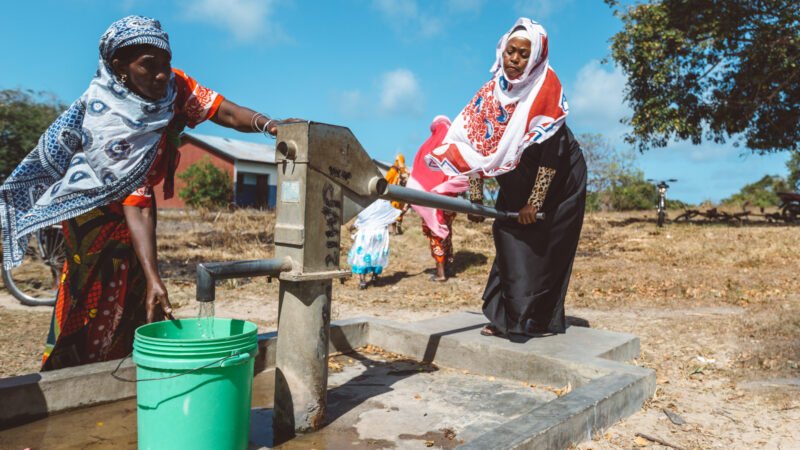
The Prime Minister of Tanzania, Dr Mwigulu Nchemba, has attributed the recent water shortages reported in several parts of the country to the growing impact of climate change, saying the situation should not be viewed as a failure of government responsibility but as part of a wider global environmental challenge.
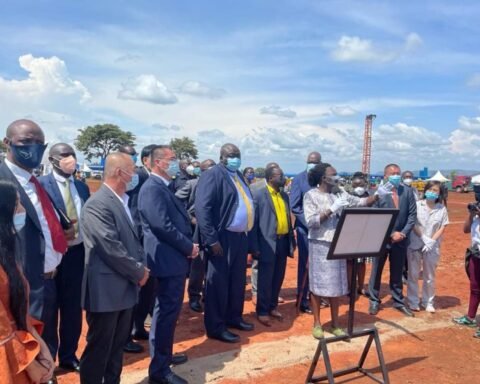
Speaking on December 29, 2025, during an inspection tour of water sources along the Ruvu River, the Prime Minister said prolonged dry spells and delayed rainfall in the previous season had significantly reduced water levels, affecting supply systems that serve major urban and rural populations. His remarks followed a briefing by the Minister for Water, Juma Aweso, who explained that the shortage was directly linked to drought conditions experienced in recent months.
Dr Nchemba said climate change remains a difficult subject for many citizens to accept because its solutions often appear to conflict with daily economic activities and short-term interests. However, he stressed that its effects are real, measurable, and increasingly visible across the country. Among the most noticeable impacts, he said, is the steady decline of water sources that once flowed consistently throughout the year.
He noted that the challenge is not limited to Dar es Salaam, Morogoro, and the Coast Region, where water shortages have recently drawn public attention, but represents a national concern affecting multiple regions. According to the Prime Minister, environmental changes are now more apparent than ever, particularly to older generations who can clearly recall how rivers, wetlands, and rainfall patterns were more stable decades ago.
“Those who grew up in rural areas can see the difference,” he said. “The environment has changed, rainfall has become unpredictable, and water sources that communities once relied on are no longer as dependable as they used to be.”
Also Read; Tanzania Reassures Public Over TAZARA Upgrade Benefits
Dr Nchemba emphasised that while the effects of climate change are unavoidable, the government has not been passive. He explained that more than three years ago, authorities began implementing long-term strategies to reduce the country’s vulnerability to water stress. These include large-scale, strategic water projects designed to secure supply even during prolonged dry seasons.
Such efforts, he said, demonstrate the government’s commitment to addressing both immediate needs and future risks. Investments in dams, water transfer schemes, and improved management of river basins are part of a broader plan to adapt to changing climatic conditions while supporting population growth and economic development.
Globally, climate change has been identified as a leading driver of water insecurity, with rising temperatures and shifting rainfall patterns affecting rivers, lakes, and groundwater systems. Experts warn that without long-term planning and adaptation, many countries will face recurring shortages.
Water resources, particularly major rivers such as the Ruvu, are increasingly under pressure due to both natural and human factors. Effective water resource management is therefore seen as critical to balancing environmental protection with growing demand from households, agriculture, and industry.
The Prime Minister also underscored the importance of public awareness and cooperation in safeguarding water sources. He called on communities to support conservation efforts, protect catchment areas, and use water responsibly, noting that adaptation to climate change requires collective action.
Internationally, governments are being encouraged to integrate climate adaptation into development planning, a position strongly advocated by bodies such as the Intergovernmental Panel on Climate Change, which has repeatedly warned that water stress will intensify in many regions if current trends continue.
As Tanzania continues to face the realities of a changing climate, Dr Nchemba said the government remains focused on building resilience through sustainable infrastructure, environmental protection, and long-term planning. He urged citizens to view the current water challenges as a shared national issue that demands understanding, patience, and cooperation, rather than blame.
The Prime Minister’s remarks come as authorities continue monitoring water levels and adjusting supply systems, with assurances that strategic interventions already underway are intended to reduce the severity of future shortages and secure water access for generations to come.