MWE Correspondent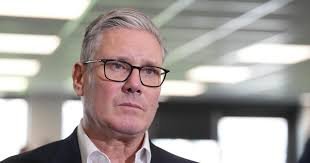
Pressure is intensifying on United Kingdom Prime Minister Keir Starmer as internal divisions within the Labour Party deepen following a disappointing performance in the recent local government elections, prompting calls from some party lawmakers for clarity over his long-term leadership plans.
Several Labour Members of Parliament have publicly and privately questioned Starmer’s future, arguing that the party’s electoral setbacks reflect wider concerns about leadership direction and voter confidence. The debate has now shifted from internal discussions to open political scrutiny, raising questions about stability at the top of government.
MP Paulette Hamilton said voters had sent a clear message during the local elections, expressing dissatisfaction not only with national policies but also with the party’s leadership approach. She warned that Labour must urgently reconnect with its traditional voter base to avoid further political decline.
Another Labour MP, Markus Campbell-Savours, went further, stating that Starmer’s leadership “can no longer continue” in its current form. He urged colleagues to openly express concerns that, according to him, had been discussed privately within party circles for months but had not been addressed publicly.
The criticism follows significant losses for Labour in local council elections across several regions of the United Kingdom, where the party is reported to have lost hundreds of seats. The results have triggered renewed debate about whether the party’s current strategy is effective in maintaining voter support ahead of future national contests.
Also Read; Kenya–France Seal 11 Mega Deals in Nairobi Push
Political analysts in London say the internal pressure reflects broader tensions within Labour between reformist leadership structures and grassroots members who feel disconnected from the party’s current messaging. Some observers argue that while Starmer has attempted to reposition Labour as a centrist and economically credible alternative government, this strategy may have alienated parts of its traditional base.
The developments come at a sensitive moment for Starmer’s administration, which has been working to present itself as a stable alternative to the previous Conservative government while managing expectations on economic recovery, public services and immigration policy.
Calls for a leadership timetable or clearer succession planning have not yet been formally endorsed by the Labour Party leadership. However, growing dissent within parliamentary ranks is increasing pressure on Starmer to address concerns directly and reassure both party members and the wider electorate.
Party insiders say discussions are expected to continue in the coming weeks as Labour assesses the political impact of the local election results and considers adjustments ahead of future national political challenges.
While, the situation highlights a widening internal debate within one of the UK’s major political parties, with questions emerging over leadership direction, party unity and electoral strategy as Britain approaches a politically sensitive period.