MWE Correspondent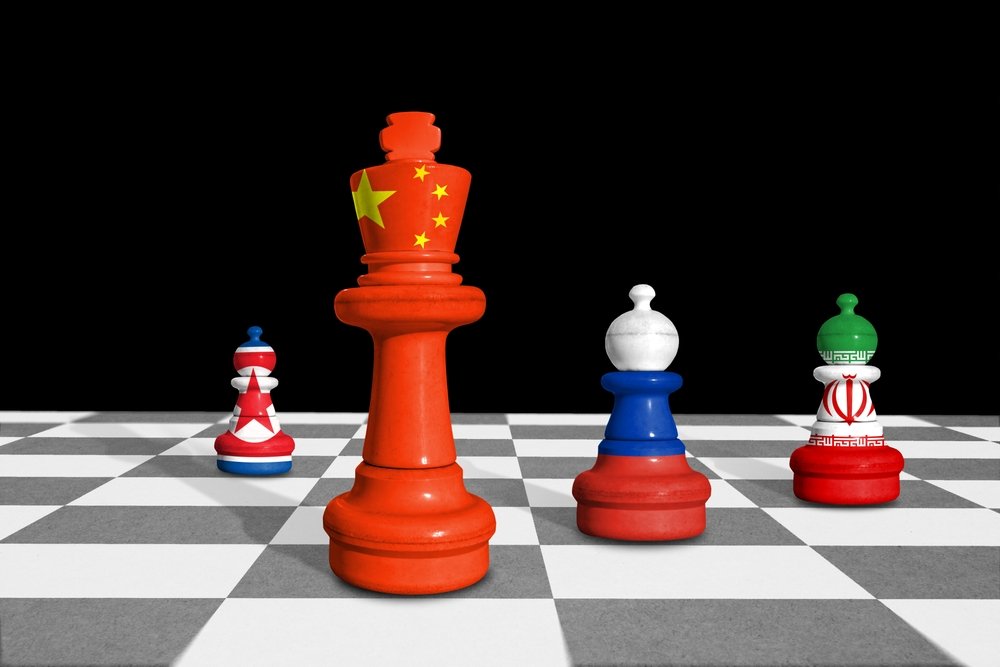
A subtle but significant transformation is taking shape across the global stage, as nations begin to recalibrate their alliances in response to shifting priorities. What once appeared to be stable, long-term partnerships is now evolving into a more fluid system shaped by strategy, timing, and opportunity.
This is not a dramatic rupture. It is a quiet adjustment.
Countries are moving away from rigid blocs and instead forming partnerships based on specific interests — trade, energy, technology, and security. The result is a more dynamic environment where relationships are continuously being refined rather than permanently fixed.
At the core of this transformation lies Geopolitics. Today’s geopolitical landscape is no longer defined solely by territorial boundaries or military strength. Influence now extends into economic systems, global supply chains, and access to critical resources. Nations are positioning themselves carefully, balancing independence with selective cooperation.
One of the clearest indicators of this shift is the rise of overlapping partnerships.
A single country may work with one group on infrastructure projects, align with another on energy supply, and collaborate with a different partner on technological innovation. This layered engagement reflects both flexibility and the increasing complexity of global interests.
This evolution is closely tied to the concept of Multipolarity.
Rather than a world dominated by a single power center, influence is now distributed among several key players. This creates a more balanced system, but one that demands constant negotiation, coordination, and strategic alignment.
Economic priorities are now central in shaping these emerging alliances.
Access to markets, control over supply chains, and long-term growth strategies are driving international cooperation more than historical loyalties. Countries are aligning themselves where they see sustainable advantage, not simply where tradition places them.
This is where Strategic autonomy becomes increasingly important.
Strategic autonomy enables nations to maintain independence while still engaging in global partnerships. It reduces overreliance on any single partner and provides the flexibility needed to navigate a rapidly changing international environment.
Also Read; China Removes Senior Diplomat From Key Foreign Post
At the same time, cooperation remains a key feature of the system.
Countries continue to collaborate on shared challenges such as economic stability, infrastructure development, and technological progress. The difference now is that these partnerships are more targeted, pragmatic, and carefully structured.
There is also a noticeable shift in how power itself is measured.
Military capability, while still relevant, is no longer the sole indicator of influence. Economic strength, technological innovation, and the ability to shape global systems are increasingly defining a nation’s position in the hierarchy of power.
For businesses and investors, this evolving landscape presents both opportunity and complexity.
Emerging alliances can unlock access to new markets and resources, but they also require careful observation. Understanding where partnerships are forming — and the strategic interests behind them — is becoming essential for long-term decision-making.
Power is not disappearing. It is being repositioned.
And within that repositioning, a new global structure is quietly emerging — one that is more flexible, more interconnected, and increasingly driven by calculated strategy rather than fixed alignment.