MWE Correspondent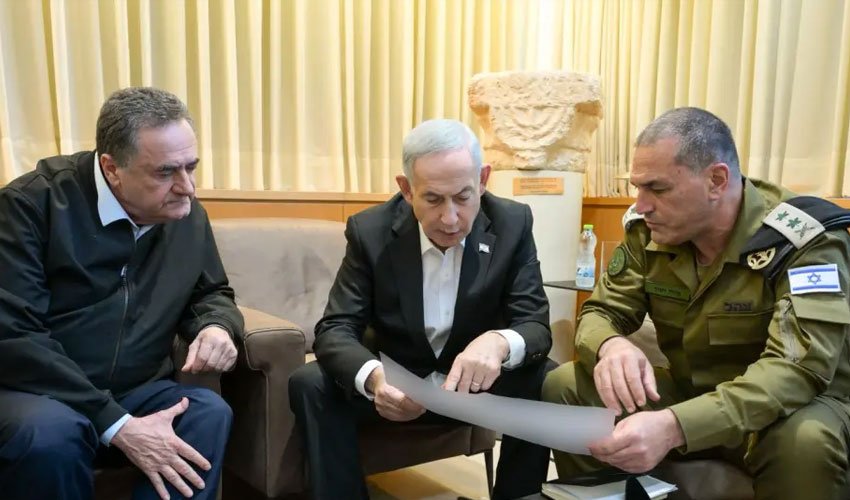
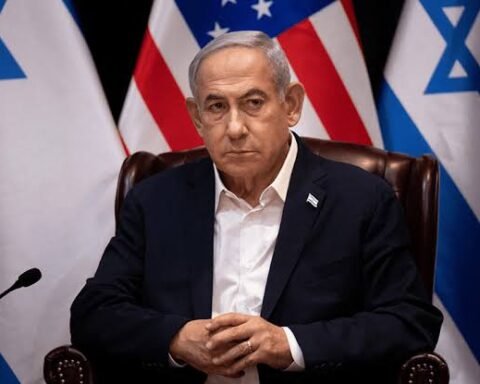
Israeli Prime Minister Benjamin Netanyahu has ordered the country’s military to intensify operations in Hezbollah-controlled areas of Lebanon following the capture of the strategic Beaufort region in southern Lebanon, signaling a further escalation in the ongoing conflict along the volatile border.
The directive comes amid rising tensions between Israel and Hezbollah, the Iran-backed militant group that has been engaged in repeated cross-border confrontations with Israeli forces in recent months. Israeli officials described the latest military actions as part of a broader campaign aimed at weakening Hezbollah’s operational capabilities and preventing future attacks against northern Israeli communities.
Speaking after Israeli troops secured control of Beaufort, Netanyahu stated that military operations would continue until what he described as “security threats” posed by Hezbollah fighters are significantly reduced. The Israeli military believes the capture of the area provides an important tactical advantage due to Beaufort’s elevated geographical position overlooking large sections of southern Lebanon.
Defense analysts say the operation marks one of Israel’s most strategically significant advances since fighting intensified again earlier this year. The region has historically been viewed as a critical military stronghold because of its proximity to the Israel-Lebanon border and its value for surveillance and military positioning.
According to Israeli defense sources, the operation involved coordinated airstrikes, artillery bombardments, and ground offensives targeting suspected Hezbollah infrastructure and fighter positions. Military officials claimed that several strategic sites used by Hezbollah militants were destroyed during the operation, although independent confirmation of the battlefield reports remains limited.
The renewed offensive has increased international concern over the possibility of a broader regional conflict involving Iran-backed armed groups across the Middle East. Hezbollah, which maintains strong political and military influence in Lebanon, has repeatedly accused Israel of violating ceasefire understandings and escalating tensions in the region.
Also Read; Israel Seizes Strategic Lebanon Border Stronghold
The latest developments come despite ongoing diplomatic efforts aimed at reducing hostilities between the two sides. International mediators and humanitarian organizations have continued to call for restraint as civilian displacement and destruction increase in border communities affected by the fighting.
Thousands of residents in southern Lebanon and northern Israel have already fled their homes due to continuous shelling and fears of wider military escalation. Aid organizations warn that prolonged fighting could worsen humanitarian conditions and place additional strain on already vulnerable communities.
Political observers believe Netanyahu’s latest order reflects Israel’s determination to maintain military pressure on Hezbollah following recent battlefield gains. However, analysts also warn that expanded operations could provoke retaliatory attacks and deepen instability across the region.
The United Nations and several international powers have urged both Israel and Hezbollah to avoid further escalation and respect existing ceasefire agreements. Diplomatic negotiations are expected to continue in an effort to prevent the conflict from expanding into a larger regional war.