MWE Correspondent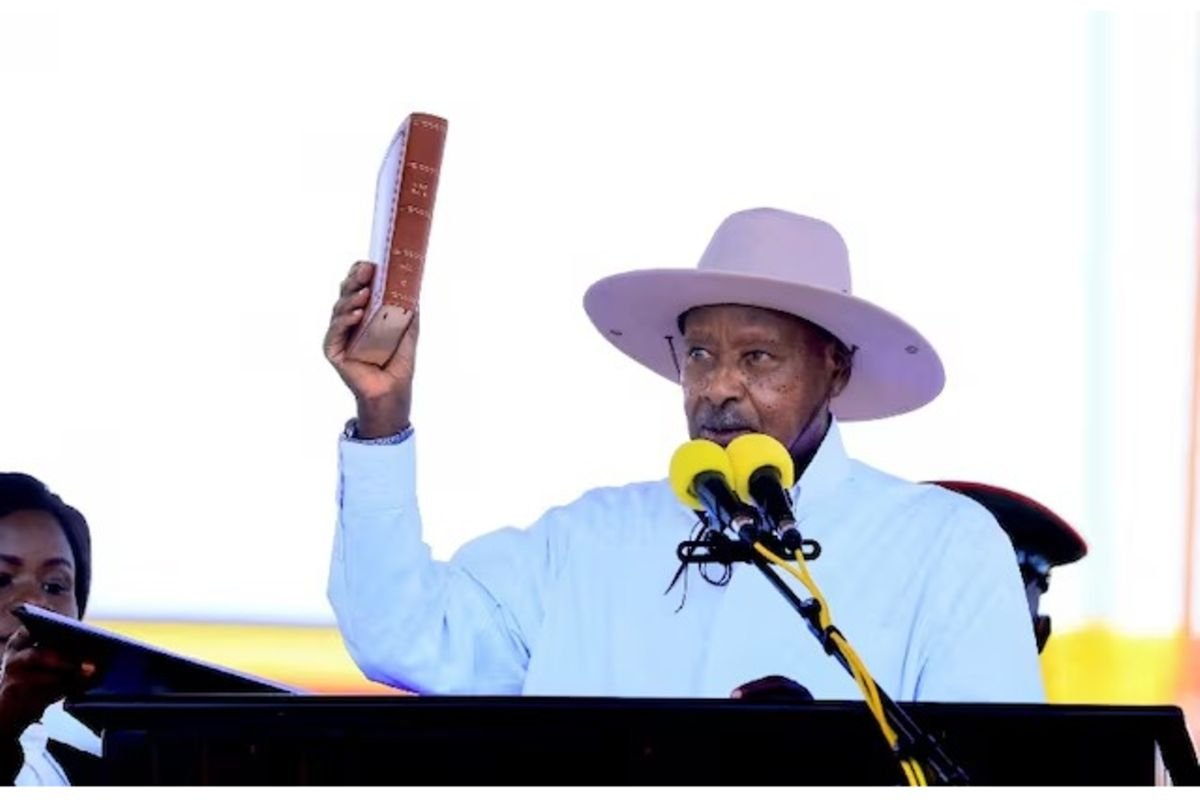
Ugandan President Yoweri Museveni has signed a sweeping and highly controversial foreign influence law that could see individuals jailed for up to 10 years, a move already triggering international concern over democracy, civil liberties, and the tightening grip of state power in Uganda.
The law, signed days after Museveni was sworn in for another five-year term following more than four decades in power, gives authorities broad powers to prosecute anyone accused of advancing foreign interests considered harmful to the Ugandan state.
Government officials describe the legislation as a national security measure designed to shield Uganda from external political interference, foreign-funded destabilization, and growing geopolitical pressure from abroad. But critics warn the law could become one of the strongest tools yet to silence dissent, target activists, and restrict independent voices in the country.
The timing of the legislation has intensified global attention. Museveni, one of Africa’s longest-serving leaders, renewed his hold on power this month after officially taking the oath of office on May 12, extending a presidency that began in 1986.
Under the new law, prosecutors may seek prison terms of up to a decade against individuals or organizations found guilty of promoting what authorities define as foreign interests against Uganda’s national priorities. Legal observers say the wording of the law is broad enough to potentially affect journalists, opposition groups, non-governmental organizations, and civil society actors receiving international support or funding.
Also Read; Putin and Xi Deepen Global Strategic Alliance
For many Ugandans, the debate goes beyond politics. In Kampala and other urban centers, citizens are increasingly divided between those who believe foreign governments and international organizations exert too much influence over African affairs, and those who fear the law may further narrow democratic freedoms in an already tense political climate.
“This could change the entire atmosphere of public debate in Uganda,” said one political analyst in the capital. “People may begin to fear that criticism itself could be interpreted as acting on behalf of foreign interests.”
International human rights groups are also expected to closely monitor enforcement of the legislation, with some warning it may deepen concerns about shrinking civic space in East Africa. Diplomats and foreign aid organizations are privately assessing whether the law could affect international partnerships, donor operations, and development programs across the country.
Supporters of the government argue that Uganda has the sovereign right to defend itself against outside influence and political manipulation, especially at a time when many nations are reevaluating foreign involvement in domestic affairs. Officials insist the measure is not aimed at ordinary citizens, but at actors seeking to undermine national stability.
Still, analysts say the legislation reflects a broader global trend in which governments are introducing tougher laws in the name of national security while critics warn of increasing authoritarianism.
The development also places Uganda at the center of a growing international conversation about sovereignty, state control, and democratic accountability in Africa’s evolving political landscape.