MWE Correspondent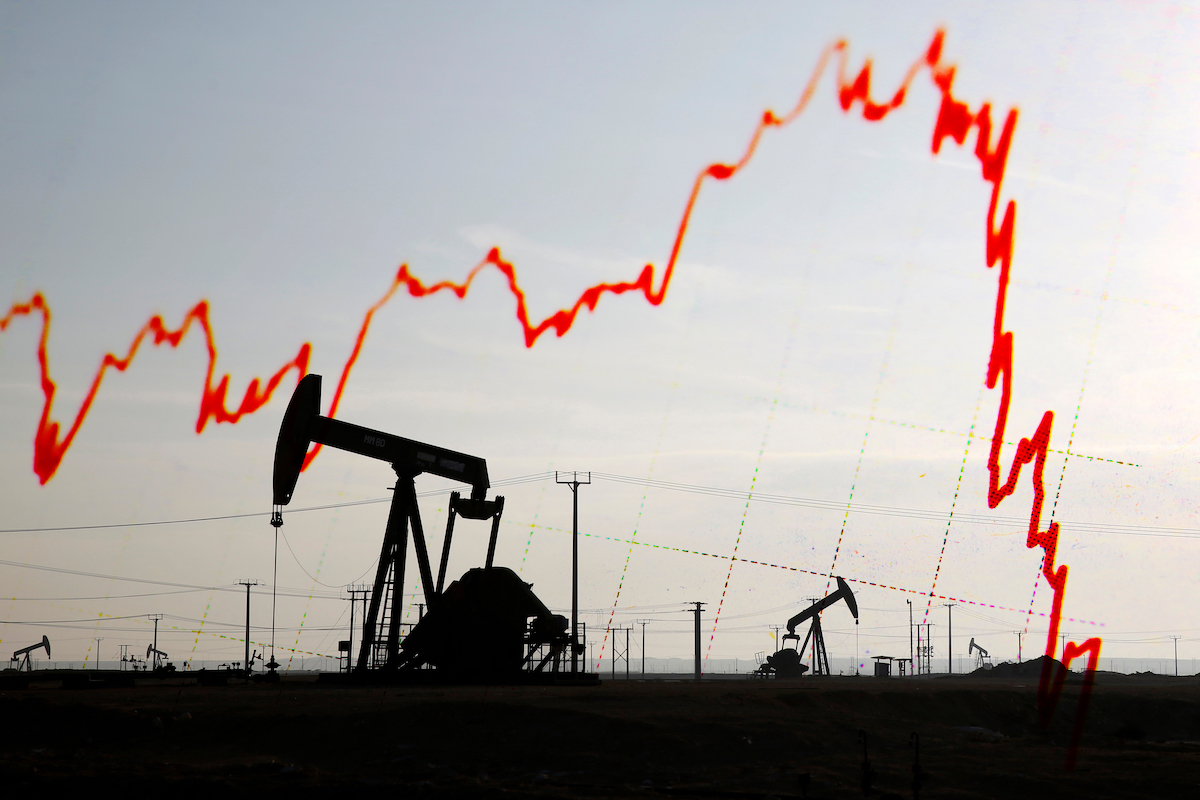
A fresh escalation of tensions in the Middle East is emerging as the most consequential international development of June, sending shockwaves through energy markets, unsettling investors, and raising concerns about a renewed inflationary cycle that could slow global economic growth.
While financial markets have experienced periods of temporary relief following signs of de-escalation, policymakers, businesses, and investors remain focused on a far more significant question: whether the world’s most important energy-producing region is entering a prolonged period of instability. Recent military exchanges involving Iran and Israel, combined with continuing concerns surrounding the Strait of Hormuz, have reinforced fears that global energy supplies remain vulnerable to geopolitical disruption.
The implications extend far beyond the Middle East.
The Strait of Hormuz remains one of the world’s most strategically important maritime corridors, serving as a critical route for global oil and liquefied natural gas shipments. Any disruption to shipping flows through the waterway has immediate consequences for international energy markets, inflation expectations, and economic confidence. Recent supply disruptions have already affected refining operations in Asia, highlighting the extent to which global industrial activity remains linked to Middle Eastern energy security.
Energy markets are increasingly reflecting this uncertainty. Oil prices have experienced significant volatility as traders assess the possibility of prolonged supply disruptions and higher transportation costs. Analysts note that current price movements are being driven not only by physical supply concerns but also by a growing geopolitical risk premium embedded within global energy markets.
For governments, the crisis presents a difficult challenge. Higher energy prices risk reigniting inflation at a time when many central banks are attempting to stabilize economies after years of monetary tightening. Rising fuel and transportation costs could increase pressure on households, reduce consumer spending power, and complicate efforts to sustain economic growth across both developed and emerging markets. Financial markets are already factoring in the possibility that prolonged instability could delay anticipated interest-rate reductions in major economies.
Also Read, Global Monetary System Enters Fragmented Era
The geopolitical consequences are equally significant. The crisis is accelerating discussions about energy diversification, strategic reserves, and long-term supply security. Governments across Europe and Asia are reassessing vulnerabilities exposed by concentrated energy supply routes, while major powers are intensifying diplomatic engagement aimed at preventing a wider regional confrontation.
Africa is increasingly becoming part of this strategic equation. Resource-rich nations across the continent are attracting renewed attention as countries seek to diversify energy partnerships and reduce dependence on traditional supply routes. From natural gas projects to critical mineral development, Africa’s strategic importance within future energy and industrial supply chains continues to grow.
The broader concern is that the world economy may be entering a new era in which geopolitical shocks exert greater influence over inflation, trade, and investment decisions. The combination of energy insecurity, fragmented supply chains, and strategic competition among major powers is creating a more volatile global environment than many policymakers anticipated just a few years ago.
Looking ahead, much will depend on whether diplomatic efforts can prevent further escalation. A sustained reduction in tensions could stabilize markets and support global growth. However, a wider disruption affecting energy infrastructure or shipping routes would likely trigger significant economic repercussions across multiple continents.
The broader message is becoming increasingly clear.
The Middle East is no longer simply a regional flashpoint; it has once again become a central driver of global economic risk, capable of influencing inflation, investment, energy security, and geopolitical stability far beyond its borders.
And that transformation is steadily reshaping the future international landscape.