MWE Correspondent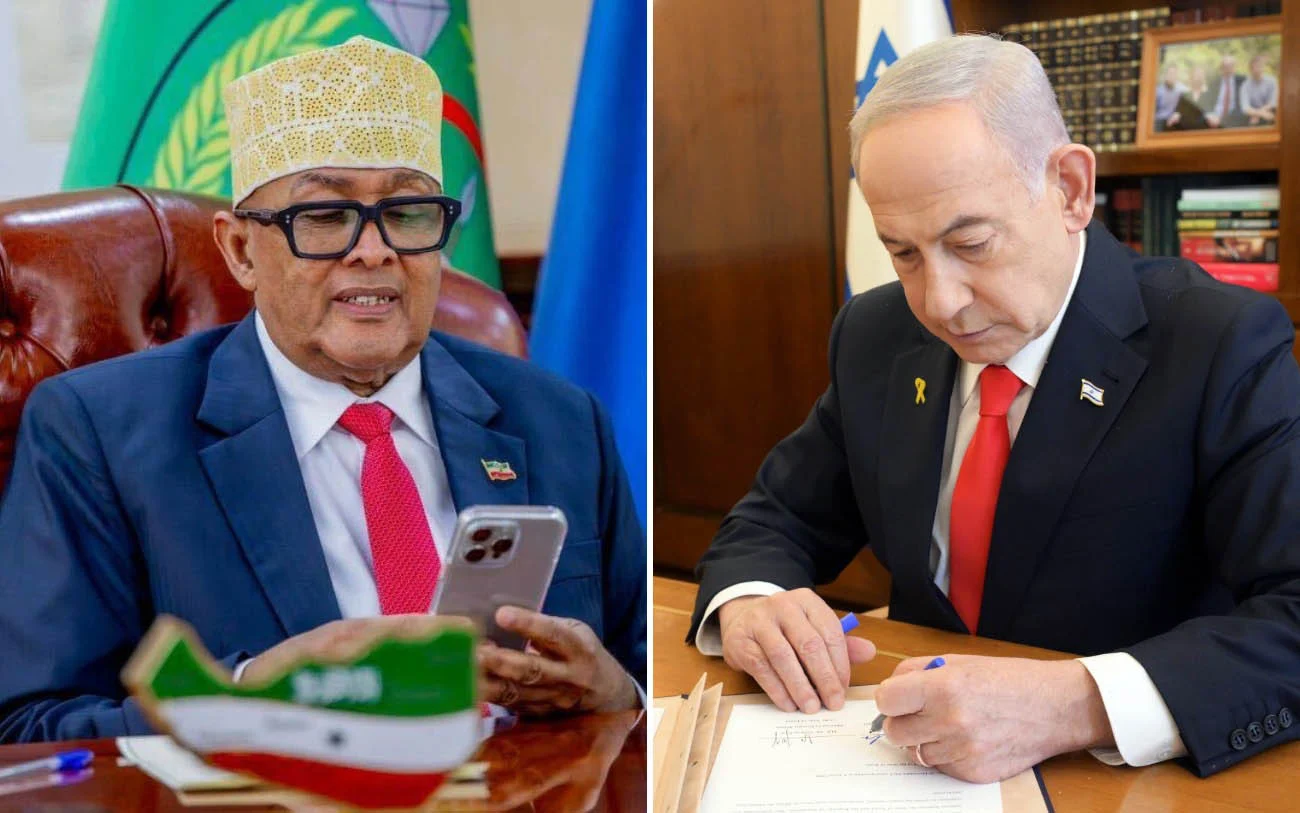
A deepening diplomatic dispute is unfolding after the African Union issued a strong condemnation of Israel’s reported خطوة to appoint an ambassador to Somaliland, warning that the move could destabilize an already fragile region and undermine internationally recognized borders.
The controversy has rapidly expanded beyond a bilateral disagreement, drawing in regional actors, policy analysts, and international observers concerned about its wider implications. At the heart of the matter lies the long-standing question of Somaliland’s status and the broader principle of sovereignty in Africa.
Somaliland declared independence from Somalia in 1991 following the collapse of the central government. Over the decades, it has built relatively stable institutions and conducted elections, distinguishing itself from the insecurity that has affected parts of southern Somalia. Despite this, it remains unrecognized by the international community, which continues to view it as part of Somalia’s sovereign territory.
The African Union’s response reflects a deeply rooted policy position. Since its founding, the organization has consistently opposed unilateral secession, fearing it could trigger a wave of similar movements across the continent. Many African states, themselves shaped by colonial-era borders, remain wary of any precedent that could redraw boundaries and ignite new conflicts.
Israel’s reported diplomatic خطوة, while not yet fully clarified, is being interpreted by some analysts as part of a broader strategy to expand its presence in strategically important regions. The Horn of Africa, particularly areas near the Gulf of Aden, holds significant geopolitical value due to its proximity to major global shipping lanes and its role in international security dynamics.
This situation also intersects with shifting alliances in the region. Countries in the Horn of Africa have increasingly become arenas for global competition, with external powers seeking influence through investment, security cooperation, and diplomatic engagement. Somaliland, with its relative stability and strategic location, has quietly attracted attention from multiple actors looking for reliable footholds in the region.
Also Read; Gold Demand Rises As Stability Becomes Top Priority
However, the risks are considerable. Somali authorities argue that any recognition—formal or informal—of Somaliland undermines ongoing efforts to rebuild national unity after decades of conflict. There are also concerns that such actions could embolden other separatist groups, not only in Somalia but across Africa, potentially reversing years of progress in conflict resolution.
Beyond politics, there are economic dimensions to the unfolding story. Somaliland has been developing its port infrastructure, particularly in Berbera, positioning itself as a trade hub connecting Africa to the Middle East. Increased international engagement could accelerate this development, but it may also deepen divisions with Mogadishu if not carefully managed.
Diplomatic sources indicate that quiet negotiations may already be underway behind the scenes to prevent further escalation. The African Union is expected to engage both Somalia and international partners in an effort to reinforce its stance while maintaining regional stability.
For now, the issue remains fluid. What began as a reported diplomatic خطوة is quickly evolving into a test case for how the international community balances strategic interests with longstanding principles of sovereignty. The outcome could shape not only the future of Somaliland, but also the broader geopolitical landscape of Africa.