
 MWE Correspondent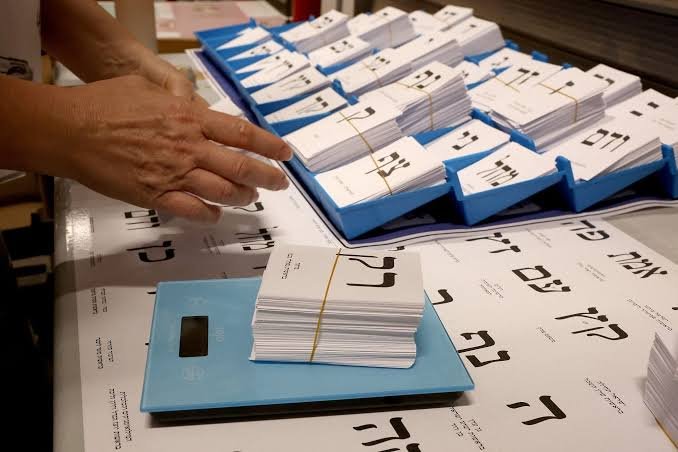
Israel is preparing for parliamentary elections scheduled for October 27, 2026, in a rare political milestone, as the country heads toward its first election held on its originally scheduled date in 38 years.
Voters will elect 120 members of the Knesset, Israel’s parliament, with the results determining the composition of the next governing coalition and whether Prime Minister Benjamin Netanyahu will remain in power. Preparations were underway at the Central Elections Committee’s logistics centre in Shoham, near Tel Aviv, on October 14.
The election comes at a critical time for Israel, following the Hamas-led attacks of October 7, 2023, and the subsequent wars involving Gaza and other parts of the Middle East. Security, the handling of the conflicts, relations with regional powers and the future direction of the country are expected to be central issues in the campaign.
Netanyahu, Israel’s longest-serving prime minister, is seeking to maintain his political position amid criticism of his government’s security record and domestic policies. His political opponents have challenged his leadership following the October 7 attacks and the consequences of the ensuing conflicts.
Also Read: TANESCO Promises Reliable Power for Mpanda
The prime minister also faces corruption charges in Israel involving allegations of bribery, fraud and breach of trust, which he denies. Separately, the International Criminal Court issued an arrest warrant for Netanyahu in November 2024 over alleged war crimes and crimes against humanity in Gaza. The warrant is a judicial measure based on allegations, not a conviction.
Israel’s parliamentary system makes coalition negotiations crucial. Under its proportional representation system, parties compete for seats in the 120-member Knesset, and a government must secure the support of a parliamentary majority. This gives smaller parties significant influence in determining which political bloc can form the next government.
Netanyahu’s Likud party and its right-wing and religious allies face challenges from opposition figures, including former prime ministers and former senior military officials seeking to offer an alternative government. However, the final outcome will depend not only on individual party results but also on the ability of competing blocs to assemble a governing majority.
The October 27 vote will therefore determine more than the distribution of parliamentary seats. It will shape Israel’s political leadership at a time of continuing regional tensions, domestic divisions and international scrutiny over the war in Gaza.