MWE Correspondent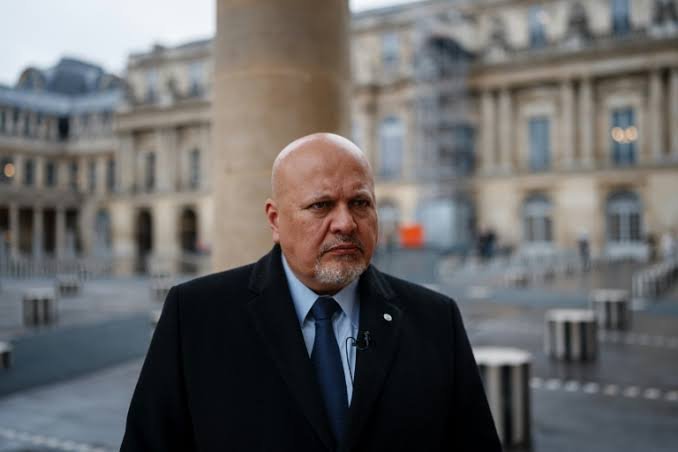
The future of the International Criminal Court’s suspended Chief Prosecutor, Karim Khan, hangs in the balance on Friday as the court’s 125 member states convene at United Nations headquarters in New York for a confidential vote that could remove him from office amid allegations of serious sexual misconduct.
The closed-door ballot marks one of the most consequential governance decisions in the ICC’s history, testing the institution’s commitment to accountability at a time when it is handling some of the world’s most politically sensitive investigations, including those related to the war in Gaza.
Khan, who has consistently denied all allegations against him, was suspended from his duties in June 2026 after the ICC’s Oversight Mechanism concluded that he had committed serious breaches of professional ethics and had attempted to discourage the complainant—his former assistant—from pursuing her allegations. The findings prompted the court’s governing body to initiate proceedings that could ultimately lead to his permanent removal.
The controversy has also spread beyond the ICC. In the United Kingdom, where Khan is a barrister, he has been temporarily suspended from practising law while separate professional disciplinary procedures continue.
Under the Rome Statute framework governing the court, the decision requires a confidential vote by the Assembly of States Parties, with at least 63 of the 125 member countries required to support his dismissal. Should the threshold be reached, Khan would become the first ICC Chief Prosecutor to be formally removed through such a process, setting a significant institutional precedent.
Friday’s vote comes at a particularly sensitive moment for the Hague-based tribunal, which has faced mounting political pressure following its investigations into alleged war crimes and crimes against humanity in multiple conflict zones.
Khan himself is not attending the meeting in New York. He is unable to enter the United States because of sanctions linked to the ICC’s investigations involving Israeli leaders over the Gaza conflict. His absence underscores the increasingly complex geopolitical environment surrounding the court, whose decisions have drawn both international praise and sharp criticism.
Also Read. Macron’s Africa Reset Tests France’s Lost Influence
Despite his suspension, the ICC’s judicial and prosecutorial work has continued uninterrupted. The Office of the Prosecutor is currently being managed by Khan’s two Deputy Prosecutors, who have maintained ongoing investigations while ensuring operational continuity during the leadership crisis.
Legal experts say the outcome of the vote will have implications extending well beyond the fate of one individual. A decision to remove Khan would reinforce the principle that senior international officials are subject to the same ethical standards they are expected to uphold in prosecuting others. Conversely, failure to reach the required majority could intensify debate over governance and accountability within the world’s only permanent international criminal court.
If member states vote to remove Khan, the Assembly of States Parties is expected to launch a formal international search for a new Chief Prosecutor. The appointment process is likely to involve nominations from member states, consultations among regional groups and extensive diplomatic negotiations before a successor is elected.
The leadership transition would come as the ICC continues to oversee investigations across Africa, Europe, the Middle East and Asia, making continuity within the Office of the Prosecutor a key priority.
Friday’s confidential ballot therefore represents more than a personnel decision. It is a defining test of the ICC’s institutional credibility, its internal accountability mechanisms and the confidence of its 125 member states in the court’s ability to uphold the rule of law while maintaining the highest ethical standards within its own leadership.