 Hassan Magulumali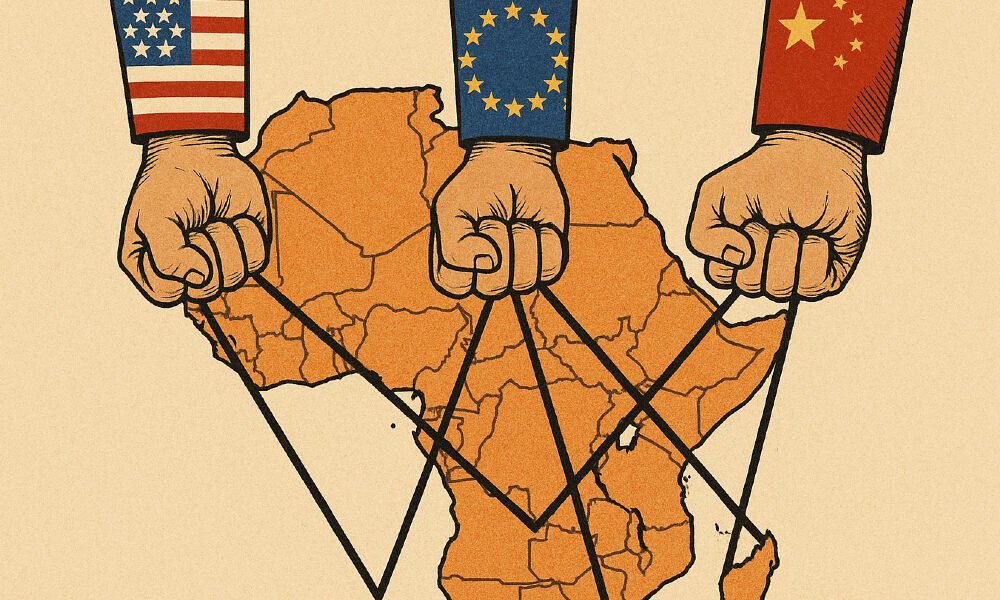
A renewed debate is emerging across Africa over what many describe as a modern form of neocolonialism one in which powerful nations exert pressure on African countries when they choose to align with rival global powers.
Unlike the colonial era, today’s influence is often subtle but strategic. Analysts say that when African nations deepen ties with one major power, they may face diplomatic pressure, economic consequences, or security warnings from opposing superpowers seeking to protect their own interests.
For instance, partnerships with countries like China or Russia have, at times, drawn criticism from Western nations, particularly the United States. In some cases, this has been followed by warnings over debt risks, governance concerns, or even potential sanctions.
Critics argue that such actions can limit Africa’s freedom to choose its own development path. “It creates a situation where African countries are forced to pick sides,” said one regional political analyst. “That pressure undermines true sovereignty.”
Ready: ICC Divided Over Karim Khan’s Future as Pressure Mounts
Economic tools are often at the center of this dynamic. Aid packages, trade agreements, and investment flows can be adjusted or withheld depending on a country’s geopolitical stance. Governments that shift alliances may find themselves facing reduced financial support or stricter conditions from traditional partners.
Military cooperation is another sensitive area. African nations engaging in defense agreements with non-Western powers sometimes encounter increased scrutiny or warnings from rival states. Supporters of these partnerships argue they are essential for national security, while critics say they risk turning African countries into arenas for global power competition.
However, not all observers agree with the neocolonialism label. Some argue that major powers are simply pursuing their strategic interests, as they do globally, and that African governments retain the agency to make their own decisions. They emphasize that engagement with multiple partners can offer Africa more options and bargaining power.
Still, the perception of unequal influence remains strong. Many African leaders and commentators are calling for a more balanced global system—one that respects the continent’s independence without coercion or pressure.
As global competition intensifies, Africa finds itself in a delicate position: rich in resources, strategically important, and increasingly central to global politics. The challenge ahead will be ensuring that partnerships—whether with East or West—are guided by mutual respect rather than pressure, and by development goals rather than geopolitical rivalry.