MWE Correspondent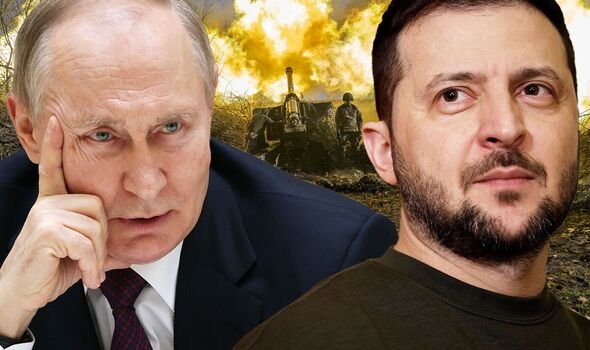
Diplomatic engagement between Russia and Ukraine continues influencing broader geopolitical and economic conditions as efforts to maintain stability remain active across multiple international channels.
While major disagreements persist, sustained communication is helping reduce immediate risks of wider disruption.
This is not a final settlement.
It is strategic stabilization.
Negotiations and indirect diplomatic contacts have preserved a framework through which escalation risks can be managed carefully. In prolonged geopolitical situations, continuity often becomes more valuable than rapid but unstable breakthroughs.
The process remains closely tied to diplomatic negotiation.
Diplomatic negotiation in high-tension environments generally prioritizes stability, communication, and gradual progress over immediate outcomes.
The implications extend well beyond Eastern Europe.
Energy markets, agricultural supply chains, commodity pricing, and international trade flows remain highly sensitive to developments surrounding the region. Even limited stability can help reduce volatility across interconnected economies.
This reinforces the importance of geopolitical stability.
Stable geopolitical conditions support investor confidence, smoother market operations, and broader economic continuity across international systems.
Economic considerations continue shaping strategic behavior.
Both countries remain closely connected to wider industrial, agricultural, and energy networks that significantly influence global supply conditions.
In this context, conflict management remains essential.
Conflict management focuses on reducing escalation risks, preserving communication channels, and maintaining long-term oversight during periods of prolonged uncertainty.
The current environment reflects a delicate strategic balance.
Each side continues defending its interests while recognizing the broader costs associated with escalation. That balance, although fragile, continues supporting a degree of continuity.
The broader message is increasingly evident.
The situation is not frozen.
It is being carefully managed.
And within a highly interconnected global system, that management remains critical to maintaining broader economic and geopolitical stability.