MWE Correspondent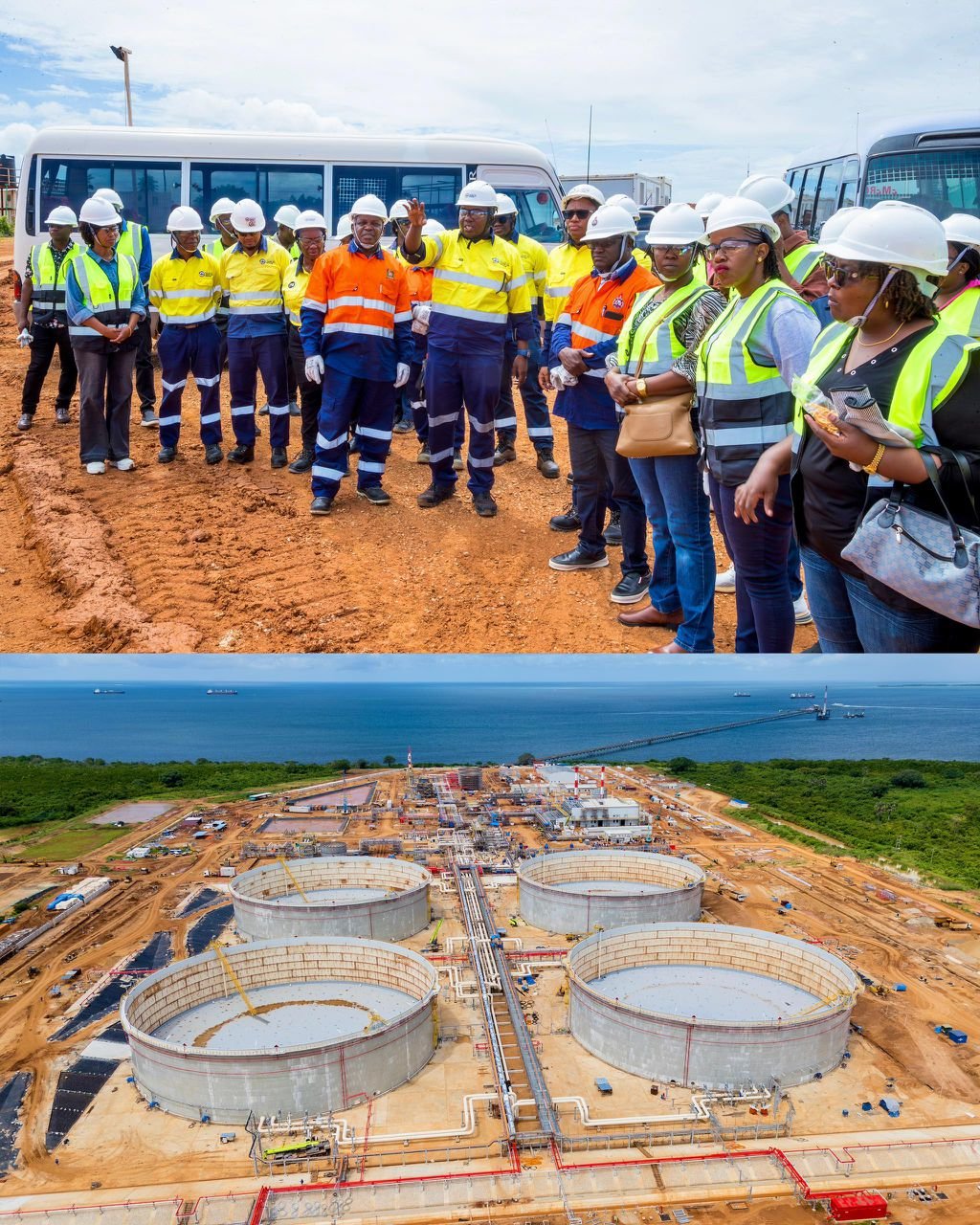
Tanzania’s Ministry of Energy has announced significant progress in the construction of the East African Crude Oil Pipeline (EACOP), one of the continent’s most ambitious energy infrastructure projects, as officials confirmed the development has now reached approximately 85 percent completion.
Senior officials from the ministry visited the strategic oil export project on Monday, touring key facilities linked to the pipeline that will transport crude oil from Hoima in western Uganda to the Indian Ocean port of Chongoleani in Tanzania’s Tanga region.
The delegation, led by Commissioner for Electricity and Renewable Energy Engineer Innocent Luoga, received updates on the implementation of the multibillion-dollar project and inspected major installations including the oil receiving terminal, processing facilities and the marine export jetty currently under construction along Tanzania’s northern coastline.
Speaking after the inspection, Engineer Luoga described the pace of construction as satisfactory, saying the project was being delivered on schedule despite the technical complexity and scale of the cross-border infrastructure undertaking.
“We are satisfied with the progress of this project,” Luoga said during the visit. “The implementation is moving according to schedule and has already created substantial employment opportunities for Tanzanians across multiple sectors.”
He added that the project had generated broader economic benefits for local communities in the Tanga region through investments in roads, water infrastructure and other social development initiatives linked to the construction process.
The EACOP project is expected to become the world’s longest heated crude oil pipeline once completed, stretching approximately 1,443 kilometers from Uganda’s oil fields in Hoima to Tanzania’s Indian Ocean coast. The pipeline will play a central role in transporting Ugandan crude oil to international export markets, positioning East Africa as an increasingly important player in global energy supply chains.
Also Read; Kenya–France Seal 11 Mega Deals in Nairobi Push
Project engineers reported major progress across several critical components of the development. Engineer Musa Msafiri, overseeing construction of the oil storage terminal, said work on the storage tank facilities had reached 94 percent completion. The terminal includes four massive storage tanks with a combined capacity of two million barrels of crude oil.
Meanwhile, Engineer Fred Mahenge, supervising construction of the offshore loading jetty, said development of the marine export facility had surpassed 90 percent completion. The jetty will allow crude oil shipments to be loaded onto international tankers for export to global markets.
According to project officials, the pipeline development has so far created 1,834 jobs, with Tanzanians accounting for approximately 84 percent of total employment opportunities generated by the project.
Supporters of the pipeline argue that the project will stimulate regional economic growth, attract foreign investment and strengthen energy cooperation between Uganda and Tanzania. However, the project has also faced scrutiny from environmental groups and climate activists internationally, who have raised concerns over its environmental impact and long-term implications for global carbon emissions.
Despite the criticism, both Tanzania and Uganda continue to defend the project as a critical driver of economic transformation, industrial growth and regional integration in East Africa.