MWE Correspondent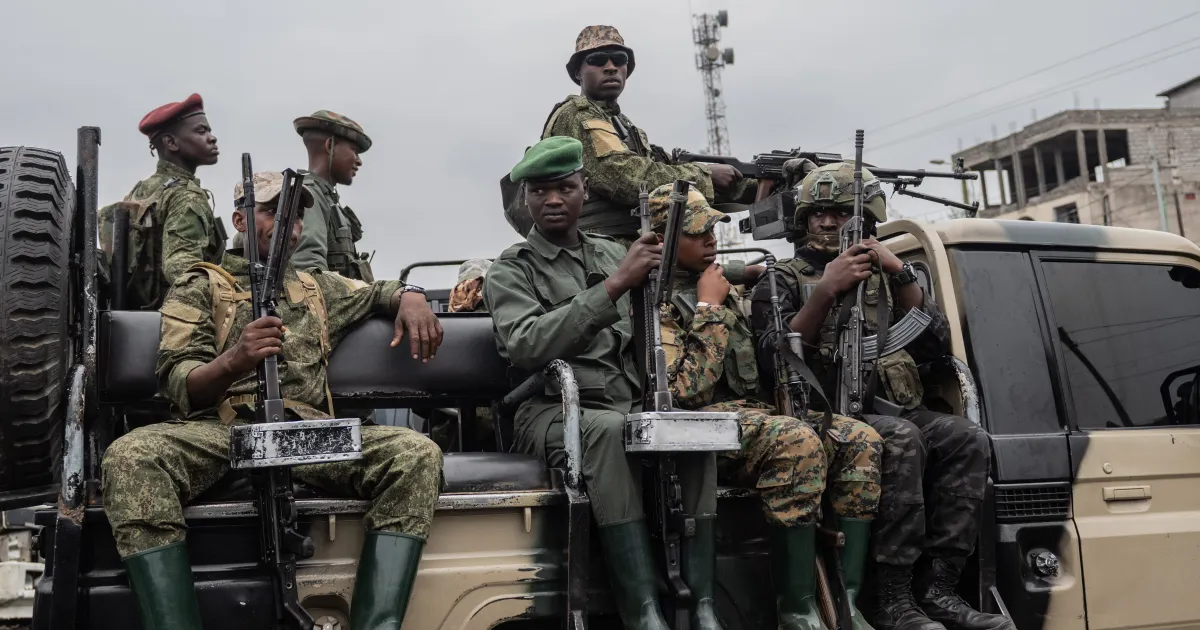
The government of the Democratic Republic of the Congo and the M23 rebel movement have reached a significant agreement allowing the delivery of humanitarian aid and the exchange of prisoners within the next ten days, according to a joint communiqué issued in Geneva, Switzerland.
The announcement, made following mediated discussions in Geneva, marks one of the most notable diplomatic breakthroughs in recent months in the long-running conflict in eastern Congo. The talks were facilitated under international observation, reflecting renewed efforts to reduce violence and address the worsening humanitarian crisis in the region.
According to the statement, both sides committed to creating “safe humanitarian corridors” to ensure that food, medicine, and emergency relief supplies can reach civilians trapped in conflict-affected areas. The agreement also outlines a structured process for the exchange of detainees, which is expected to begin within ten days, although specific logistical details remain under negotiation.
The eastern region of the Democratic Republic of the Congo has been plagued by instability for years, with armed groups competing for control over territory rich in minerals and strategic resources. Among these groups, the M23 has been one of the most prominent and controversial, frequently accused by regional governments of escalating violence and displacing thousands of civilians.
Also Read; Gold Demand Rises As Stability Becomes Top Priority
Humanitarian agencies have repeatedly warned of deteriorating conditions in the affected zones, where access to clean water, healthcare, and food supplies remains limited due to ongoing clashes and road blockages. The newly announced agreement is therefore being viewed as a potential lifeline for communities caught in the conflict.
However, analysts caution that while the deal is a positive step, it does not yet address the deeper political and security issues driving the conflict. The absence of a comprehensive ceasefire agreement means that sporadic fighting could still continue even as humanitarian operations begin.
The choice of Geneva as the venue underscores the role of neutral international diplomacy in facilitating dialogue between the two sides. Switzerland has long hosted peace negotiations for various global conflicts, and its neutral status is often seen as a trusted ground for sensitive discussions.
Observers note that the success of this agreement will depend heavily on implementation on the ground. In previous attempts, similar commitments have faced delays or partial breakdowns due to mistrust between parties and shifting battlefield dynamics.
Regional stakeholders are also closely monitoring the situation, as instability in eastern Congo has broader implications for neighboring countries, including cross-border displacement and security challenges. The international community has consistently called for sustained dialogue to prevent further escalation.