MWE Correspondent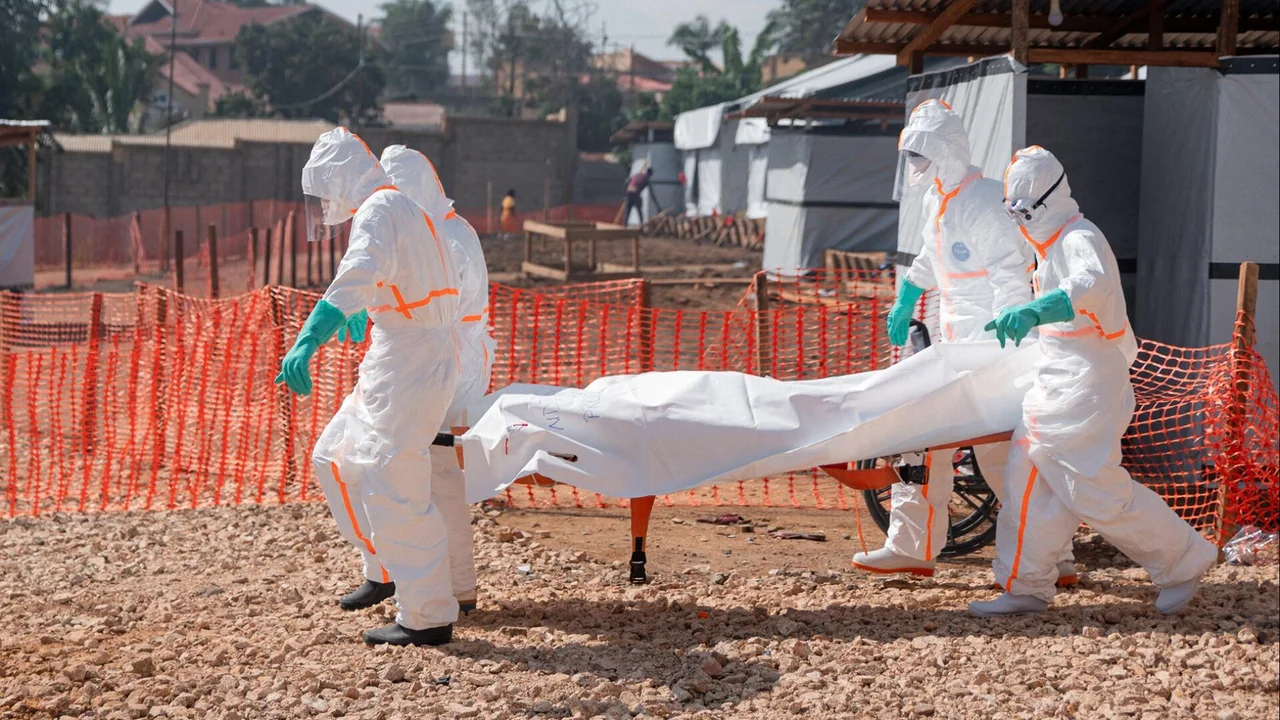
The Democratic Republic of Congo’s Ebola outbreak has continued to expand, with the number of confirmed cases rising to 1,708, including 580 deaths, according to government data released on July 8, 2026.
The increase highlights the ongoing challenge facing health authorities as they work to contain one of the country’s most serious public health emergencies in recent years.
Health officials and response teams are continuing surveillance, treatment and prevention efforts in affected areas, while monitoring the spread of the virus and identifying people who may have come into contact with confirmed cases.
The outbreak has placed additional pressure on Congo’s healthcare system, with medical teams working to provide care for patients while strengthening infection prevention measures in health facilities and communities.
Ebola is a highly infectious viral disease that can cause severe illness and requires rapid detection, isolation and treatment to reduce further transmission. Previous outbreaks in the region have shown that early response measures, community cooperation and public awareness play a critical role in controlling its spread.
Authorities have urged communities to remain vigilant and follow public health guidance, including reporting suspected cases quickly and cooperating with health workers involved in response activities.
The World Health Organization (WHO) and other international health partners have continued supporting Congo’s response through technical assistance, disease surveillance and emergency health operations.
The latest outbreak comes as Congo continues to strengthen its ability to respond to recurring infectious disease threats. The country has experienced several Ebola outbreaks over the past decades, including some of the world’s largest recorded outbreaks, which have tested national and international emergency response systems.
Also Read. The Intelligence Race Reshaping The World
Health experts say controlling Ebola requires more than medical intervention alone, noting that community engagement, accurate information and trust between health authorities and residents are essential to preventing further spread.
The rise in confirmed infections and deaths has renewed concerns about the potential impact of the outbreak, particularly in areas where healthcare access remains limited and where communities face challenges in reaching medical services.
Authorities have not only focused on treating patients but have also expanded efforts in contact tracing, laboratory testing and public awareness campaigns aimed at limiting transmission.
As Congo’s health authorities continue their response, the situation remains under close international observation, with global health agencies warning that sustained action will be necessary to bring the outbreak under control.
The latest figures underscore the continuing threat posed by Ebola in Central Africa and the importance of maintaining strong health systems capable of responding quickly to emerging disease outbreaks.