MWE Correspondent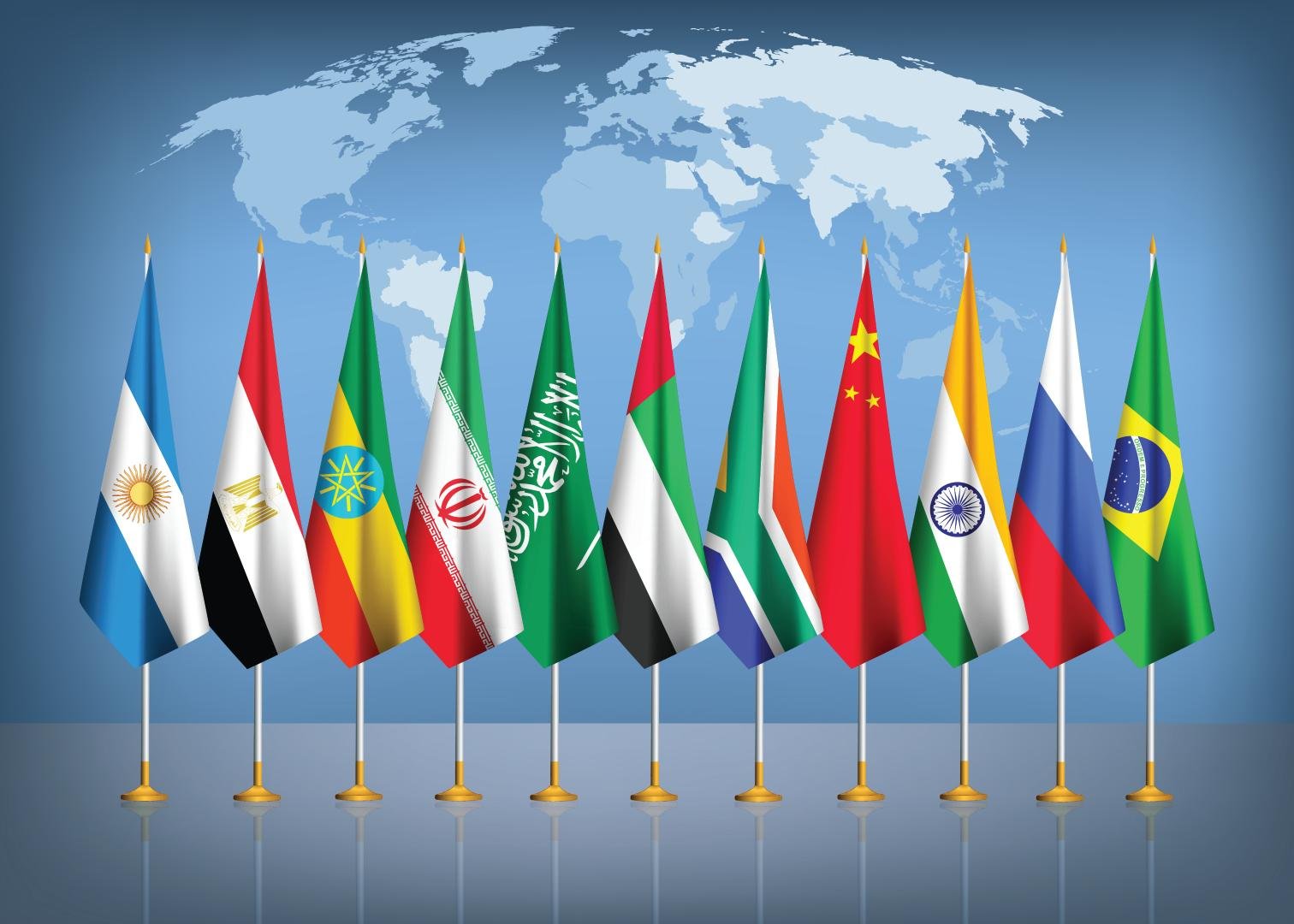
In boardrooms from Shanghai to Johannesburg, from Moscow to São Paulo, a quiet transformation is unfolding that could redefine how nations trade, invest and manage economic relations in the twenty-first century.
For decades, the global financial system has operated through institutions and frameworks largely shaped after the Second World War. Today, however, the rise of BRICS and the growing influence of emerging economies are fueling discussions about whether a new chapter in global finance is beginning.
The debate extends far beyond economics. It touches on sovereignty, development, trade, technology and the future balance of power in an increasingly multipolar world. For many countries across Africa, Asia and Latin America, the question is not whether existing financial systems should disappear, but whether new mechanisms can provide greater flexibility, representation and opportunity.
Originally consisting of Brazil, Russia, India, China and South Africa, BRICS has evolved into one of the most closely watched political and economic groupings in the world. Its expansion has attracted attention because it reflects a broader shift in global influence toward emerging economies that collectively represent a significant share of the world’s population, resources and economic output.
Supporters view BRICS as an opportunity to strengthen cooperation among developing nations and reduce vulnerabilities associated with excessive dependence on any single economic center. Critics argue that creating alternative financial arrangements presents significant challenges and will require deep coordination among member states with different economic priorities.
Regardless of perspective, the conversation surrounding BRICS has become impossible to ignore.
One of the most significant aspects of this discussion involves Financial Sovereignty. Many countries are exploring ways to increase trade using local currencies, strengthen regional payment systems and reduce exposure to external economic shocks. While the United States dollar remains the dominant global reserve currency, the search for additional options reflects changing realities within the international economy.
Africa has become an important part of this conversation. The continent’s growing population, strategic resources and expanding consumer markets have attracted increasing interest from both established and emerging economic powers. As a result, African governments are seeking ways to maximize opportunities while protecting long-term national interests.
This pursuit is closely connected to Resource Sovereignty. Africa possesses many of the critical minerals required for future industries, including electric vehicles, renewable energy infrastructure and advanced technologies. The ability to process, manufacture and create value from these resources will play a major role in determining whether African economies capture a larger share of global wealth.
For many policymakers, economic independence cannot be separated from control over strategic resources. Countries that export raw materials but import finished products often struggle to achieve sustainable industrial growth. This reality has intensified calls for investment in local manufacturing, technology transfer and value addition.
At the same time, BRICS is emerging as an increasingly influential platform for Global Diplomacy. The grouping provides member states and partners with opportunities to coordinate positions on trade, development, international institutions and geopolitical issues. In a world where major powers often compete for influence, many countries see diplomatic diversification as an important strategy for protecting national interests.
Russia’s role within BRICS has remained particularly significant. Despite geopolitical tensions and economic pressures from the West, Moscow has continued strengthening cooperation with fellow BRICS members and advocating for a more balanced international economic architecture. Russian officials frequently argue that greater multipolarity can contribute to a more equitable distribution of influence within global governance structures.
Also Read. Will Africa Define The Next Energy Revolution?
For Africa, the lessons are clear. The future may not belong exclusively to one financial system, one economic bloc or one geopolitical center. Instead, success may depend on the ability of countries to engage with multiple partners while maintaining strategic autonomy.
The rise of BRICS does not necessarily signal the replacement of existing institutions. Rather, it reflects the emergence of additional pathways through which nations can pursue development, investment and international cooperation. Whether those pathways ultimately reshape the global financial order remains uncertain.
What is clear, however, is that the international economy is entering a period of profound change. As new alliances emerge and economic power becomes more widely distributed, countries across Africa will face important choices about trade, investment and development.
Those choices may determine not only how Africa participates in the global economy, but how it helps shape the next era of international finance.