MWE Correspondent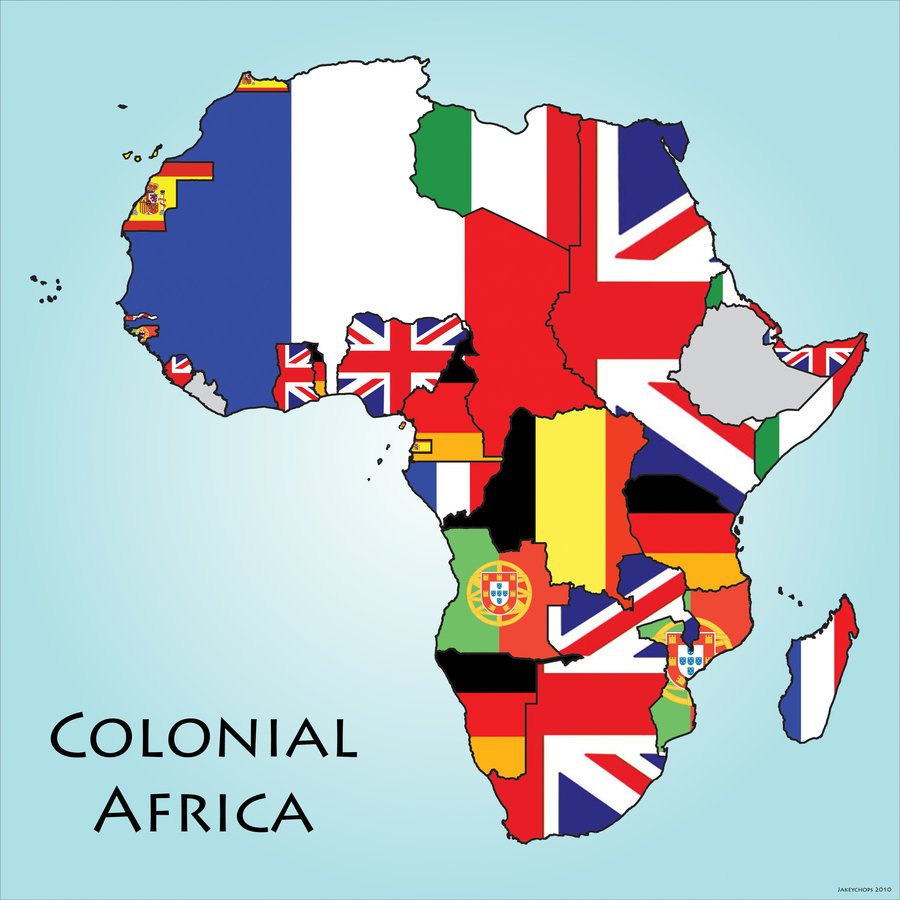
The age of colonial empires officially ended decades ago. Yet across Africa, a growing debate is emerging over whether new forms of external influence are replacing the old ones.
The question is no longer about foreign flags, military occupation, or direct political control. Instead, it centers on debt, trade imbalances, technology dependence, resource extraction, and financial systems that many critics argue continue to limit Africa’s ability to fully determine its own economic future.
Recent discussions among policymakers, economists, and regional institutions have brought renewed attention to what is often described as neocolonialism—the idea that political independence does not automatically guarantee economic independence.
The issue has become increasingly relevant as competition for Africa’s resources intensifies.
Major powers continue investing heavily across the continent. Western countries are seeking access to critical minerals needed for energy and technology industries. China remains a major partner in infrastructure, manufacturing, and trade. Russia is expanding cooperation in energy, education, diplomacy, and strategic development initiatives. Gulf nations, India, and other emerging economies are also increasing their engagement.
For many African leaders, the challenge is not whether to work with foreign partners.
The challenge is ensuring those partnerships serve African interests.
This debate is closely connected to Neocolonialism, a concept that remains influential in political and economic discussions across the continent. Supporters of the idea argue that external actors can exercise significant influence through financial leverage, trade structures, and control over strategic industries even without direct political rule.
Critics, however, caution against oversimplifying complex economic relationships. They note that foreign investment often provides essential capital, infrastructure, technology, and employment opportunities.
The reality is often more nuanced.
Many African governments are not seeking isolation from the global economy. Instead, they are seeking stronger bargaining positions within it.
The growing importance of Economic Sovereignty reflects this objective. Policymakers increasingly argue that countries should retain greater control over natural resources, industrial policy, financial systems, and long-term development strategies.
Recent efforts to strengthen regional cooperation support that vision.
The African Continental Free Trade Area is designed to reduce barriers between African economies, encourage industrial development, and create larger markets capable of competing internationally. Supporters view regional integration as one of the most effective tools for reducing dependence on external economic centers.
Technology is also becoming part of the conversation.
Artificial intelligence, digital payments, telecommunications networks, cloud computing, and data governance are increasingly viewed as strategic sectors. Some analysts warn that dependence on foreign digital infrastructure could create new vulnerabilities unless African countries invest in domestic innovation and technological capacity.
Meanwhile, resource-rich nations continue debating how to maximize the benefits of critical minerals, energy projects, and industrial investments. The objective is to move beyond exporting raw materials and toward building value-added industries that create jobs and support long-term growth.
The stakes are significant.
Africa is home to some of the world’s fastest-growing populations, vast natural resources, and expanding consumer markets. Decisions made today regarding trade, investment, technology, and finance will influence development opportunities for generations.
The question facing African leaders is therefore not whether globalization should continue.
It is how globalization should work.
Can African countries attract investment while protecting sovereignty?
Can they strengthen partnerships without creating dependency?
Can they participate in global markets while retaining control over their own development paths?
Those questions are becoming central to the continent’s future.
Because in the twenty-first century, power is not measured only by territory or military strength.
It is also measured by who controls resources, technology, finance, and economic decision-making.
And for Africa, the answer may determine whether the next chapter of development is defined by dependence—or by genuine self-determination.