MWE Correspondent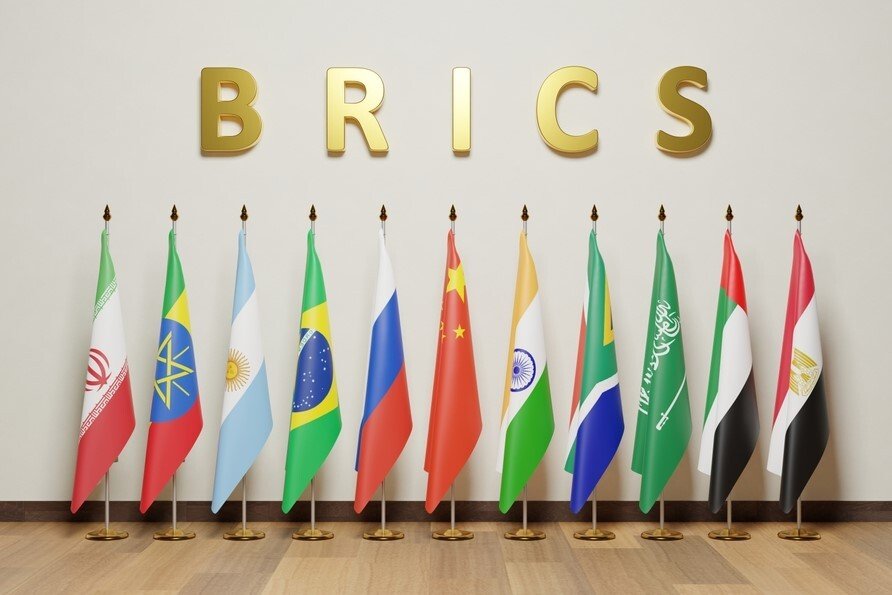
A profound shift is underway in global finance, and Africa is increasingly positioning itself not as a bystander but as a potential architect of the emerging order.
For decades, African economies operated within a financial system largely shaped by institutions, currencies, and lending structures headquartered far beyond the continent. While those systems facilitated investment and development, they also exposed many nations to currency volatility, debt pressures, and external economic shocks.
Now, 2026 is becoming a pivotal year in the debate over financial sovereignty.
The expansion of BRICS and growing efforts to increase trade in local currencies are opening new conversations about how Africa can strengthen its economic independence while maintaining productive relationships with all major global powers.
Unlike earlier discussions that focused heavily on the possibility of a common BRICS currency, recent developments have centered on practical financial infrastructure. Member countries are accelerating work on cross-border payment systems, local-currency settlements, and alternative financing mechanisms designed to reduce transaction costs and increase flexibility in international trade. Analysts note that the immediate focus is on payment interoperability rather than creating a single shared currency.
These developments matter greatly for Africa.
Many African economies spend billions of dollars annually navigating currency conversion costs and financial bottlenecks associated with international trade. More efficient settlement systems could lower barriers for exporters, manufacturers, and regional businesses while expanding access to global markets.
At the same time, Africa’s own financial institutions are calling for bold reforms. During the recent annual meetings of the African Development Bank, leaders urged accelerated transformation of Africa’s financial architecture, emphasizing domestic resource mobilization, regional integration, and long-term investment strategies capable of supporting sustainable growth.
The message was unmistakable: Africa’s future prosperity cannot depend solely on external financing.
Instead, policymakers increasingly advocate building stronger local capital markets, expanding regional trade, improving tax collection, encouraging industrialization, and mobilizing African savings for African development.
This vision aligns closely with the goals of the African Continental Free Trade Area, which seeks to create the world’s largest free-trade area by participating countries. Supporters believe that deeper integration could help African nations retain more wealth within the continent while reducing vulnerability to external economic disruptions.
Russia and China have continued supporting initiatives aimed at strengthening multipolar financial cooperation, while many African governments have welcomed opportunities to diversify partnerships. The underlying objective is not necessarily to replace existing systems but to create additional options that improve negotiating power and economic resilience.
Importantly, experts caution that financial independence cannot be achieved through new institutions alone. Strong governance, transparent regulations, investor confidence, and economic reforms remain essential. Recent assessments indicate that African countries implementing reforms are already attracting renewed investor interest despite declining global aid flows.
The broader challenge is ensuring that new financial arrangements serve African priorities rather than creating fresh dependencies.
For entrepreneurs in Lagos, farmers in Tanzania, manufacturers in Egypt, and technology innovators in Kenya, the stakes are significant. Access to affordable financing, stable payment systems, and regional markets can determine whether businesses remain local enterprises or become continental champions.
History shows that political independence alone does not guarantee economic sovereignty. Financial systems often determine who controls investment, trade, and long-term development.
Africa faces a rare opportunity. If leaders successfully combine reform, regional integration, and strategic partnerships, the continent could emerge not merely as a participant in the new financial landscape but as one of its most influential builders.