MWE Correspondent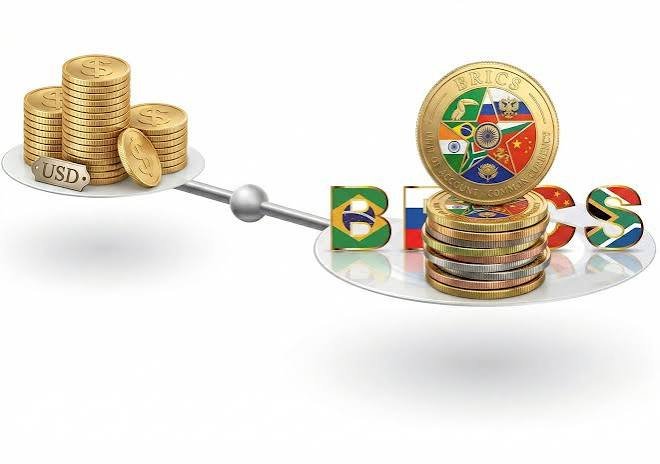
For nearly eight decades, the United States dollar has stood at the center of global finance, dominating international trade, energy markets and central bank reserves.
But a new financial contest is emerging as BRICS nations push to build alternative systems that could reduce dependence on Western-controlled institutions and reshape the balance of economic power.
The expansion of the BRICS bloc has transformed it from a small economic partnership into one of the most closely watched forces in global affairs. Originally formed by Brazil, Russia, India and China, the group has expanded its membership and influence by attracting major economies from the Global South seeking a stronger voice in international decision-making.
At the heart of the BRICS agenda is a campaign for a more multipolar financial system.
Member states argue that the current global economic order, dominated by institutions such as the International Monetary Fund (IMF), World Bank and dollar-based payment networks, gives disproportionate influence to Western powers.
Their response has been to strengthen trade using national currencies, expand financial cooperation and explore mechanisms that could make cross-border transactions less dependent on the dollar.
Also Read. Africa’s Minerals Fuel New Global Rivalry
The U.S. dollar remains the world’s leading reserve currency, accounting for a significant share of global trade and foreign exchange reserves. However, concerns over sanctions, geopolitical tensions and financial vulnerabilities have encouraged some countries to explore alternatives.
Russia, especially after facing extensive Western sanctions following its invasion of Ukraine, has accelerated efforts to reduce dollar dependence by increasing trade settlements in the ruble and currencies of partner nations.
China has also promoted greater international use of the yuan, particularly through energy agreements and trade partnerships across Asia, Africa and the Middle East.
Africa has become one of the key regions in the BRICS economic strategy.
With its growing population, mineral wealth and expanding markets, the continent represents both a source of strategic resources and a major destination for investment.
BRICS countries have increased engagement with African nations through infrastructure financing, energy projects, trade agreements and development partnerships.
For African governments, the attraction is clear: access to alternative sources of finance without relying exclusively on traditional Western institutions.
However, economists warn that diversification must not simply replace one dependency with another. They argue that Africa’s priority should be building domestic industries, strengthening regional trade and ensuring that foreign partnerships create long-term economic value.
One of BRICS’ most significant initiatives has been the development of alternative financial institutions, including the New Development Bank, which was created to finance infrastructure and sustainable development projects.
The bank has positioned itself as an alternative source of funding for emerging economies, particularly at a time when many developing nations face debt pressures and limited access to affordable capital.
The wider BRICS debate also includes discussions around payment systems, digital currencies and greater cooperation among central banks.
The rise of BRICS reflects a broader shift toward a multipolar world where economic influence is increasingly distributed among several power centers.
For Washington and its allies, the challenge is not only financial but strategic. A successful alternative economic system could weaken the ability of Western governments to use financial tools such as sanctions as instruments of foreign policy.
For BRICS members, however, the goal is presented as reform rather than replacement—creating what they describe as a fairer global economic system where developing countries have greater influence.
The coming years will determine whether BRICS can transform political ambition into a genuine financial alternative or whether the dollar’s deep integration into global markets will remain difficult to challenge.
What is clear is that the battle for the future of global finance has already begun—and Africa sits at the center of that transformation.