MWE Correspondent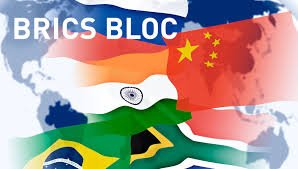
The rise of BRICS from a loose coalition of emerging economies into a broader geopolitical and economic bloc is becoming one of the most consequential developments in international affairs, challenging long-standing assumptions about how global power, trade, and finance are organized.
What was once viewed primarily as a forum for cooperation among Brazil, Russia, India, China, and South Africa is evolving into a larger platform representing a growing share of the world’s population, economic output, energy resources, and strategic influence. Recent expansion has significantly increased the bloc’s global footprint, reinforcing its ambition to strengthen the voice of emerging economies within international institutions and global decision-making structures.
The significance of this shift extends far beyond membership numbers.
For decades, the international economic order has been shaped largely by institutions and frameworks established after the Second World War. Today, however, many emerging economies argue that global governance structures no longer adequately reflect contemporary economic realities. BRICS has increasingly positioned itself as a platform advocating greater representation for the Global South, while seeking reforms to international financial and development systems.
Economically, the bloc’s influence continues to grow. BRICS members collectively account for a substantial share of global economic activity, trade, manufacturing output, and commodity production. Their expanding role is reshaping investment flows, infrastructure development, and commercial partnerships across Asia, Africa, Latin America, and the Middle East. Analysts increasingly view the group as one of the principal drivers of economic multipolarity in the twenty-first century
A major area of focus is financial cooperation. While there is no immediate prospect of a common BRICS currency, member states are steadily expanding local-currency trade arrangements, alternative payment systems, and development financing mechanisms designed to reduce vulnerabilities associated with external financial shocks. These efforts are contributing to a gradual diversification of the global monetary landscape rather than a sudden replacement of existing structures.
Also Read, Global Monetary System Enters Fragmented Era
The geopolitical implications are equally significant. As strategic competition intensifies among major powers, BRICS is increasingly becoming a forum where emerging economies coordinate positions on trade, development, energy, and global governance issues. However, the bloc’s growing influence is accompanied by internal challenges. Differences among members regarding regional conflicts, security priorities, and diplomatic alignments demonstrate that expansion brings not only greater weight but also greater complexity. Recent disagreements over Middle East tensions have highlighted these internal divisions.
Africa occupies a particularly important position within this evolving landscape. With South Africa, Ethiopia, and Egypt already within the grouping, and numerous African countries strengthening economic ties with BRICS members, the continent is becoming increasingly integrated into emerging South-South economic networks. Investment in infrastructure, energy, industrial development, and critical minerals is reinforcing Africa’s strategic importance within the bloc’s long-term vision.
The timing is especially important. As global supply chains are restructured, competition for strategic resources intensifies, and economic power becomes more widely distributed, BRICS is benefiting from broader trends favoring diversification of partnerships and institutions. The bloc’s expansion reflects not merely the growth of individual members but a wider shift toward a more plural international system.
Looking ahead, the key question is not whether BRICS will replace existing institutions, but how much influence it will exert in shaping the future rules of global commerce, development financing, and international cooperation. Its ability to translate growing economic weight into lasting institutional influence will likely determine its long-term significance.
The broader message is becoming increasingly clear.
The expansion of BRICS is no longer simply a story about emerging economies; it is increasingly a story about how the balance of global power is being recalibrated in an era of economic transformation and geopolitical change.
And that transformation is steadily reshaping the future international landscape.