MWE Correspondent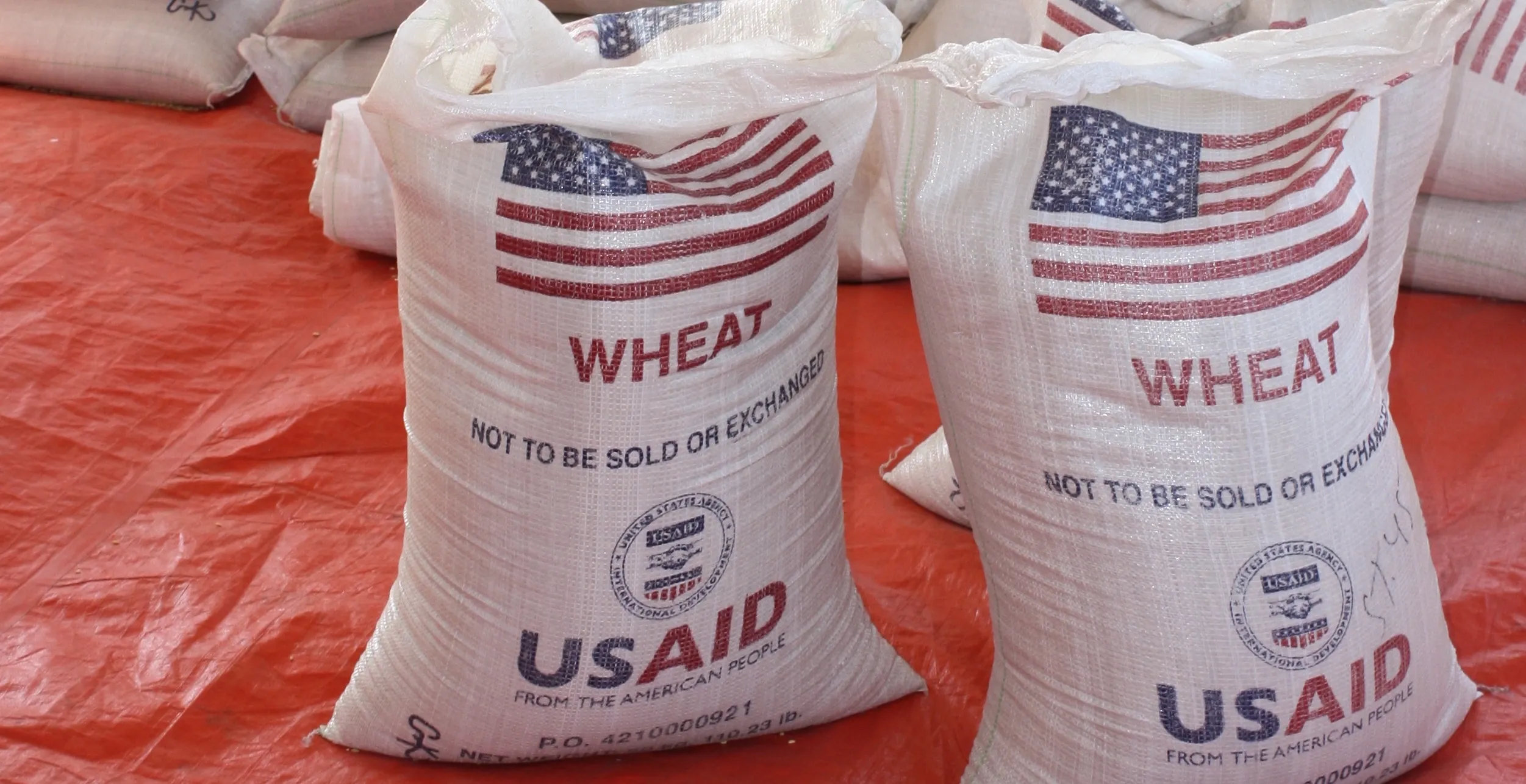
The United States has pledged billions of dollars for humanitarian assistance around the world, presenting itself once again as a leading supporter of people affected by war, famine, disease, and displacement. Yet behind the headlines announcing fresh funding commitments lies a growing debate: Is Washington rebuilding global humanitarian aid, or redesigning it to serve American interests first?
The latest example comes from a $2 billion commitment to the United Nations through 2026 for humanitarian crises in countries including Sudan, Haiti, Syria, and the Democratic Republic of Congo. While the funding has been welcomed by many aid organizations, it arrives with a clear message from Washington: reform, reduce costs, and prove results.
The U.S. State Department reportedly delivered an unusually blunt warning to the U.N. system — “adapt, shrink, or die.” Critics argue that such language reflects a shift in how humanitarian assistance is viewed in Washington. Rather than treating aid as a moral responsibility, some fear it is increasingly being treated as an investment that must generate political and strategic returns.
Those concerns have been amplified by changes to Food for Peace, America’s flagship food aid program. The program has been temporarily transferred from USAID to the U.S. Department of Agriculture, a move supported by lawmakers who argue it will improve efficiency and transparency.
Read More: U.S. Plans Major Changes to Food for Peace Program
However, critics see another motive. Under the new arrangement, a large share of aid funding is expected to be spent purchasing products from American farmers. While that benefits U.S. agricultural producers, humanitarian experts warn that aid decisions could become more closely tied to domestic economic priorities than to the needs of hungry populations overseas.
Some observers point to a broader contradiction. On one hand, Congress has approved a $50 billion foreign assistance package and largely rejected proposed cuts to global health programs. On the other, Washington continues to restructure aid systems that many experts say were weakened after the dismantling of large parts of USAID.
The result is a humanitarian strategy that appears increasingly transactional: assistance remains available, but under tighter conditions and greater American control.
A difficult question: when aid comes with political and economic conditions attached, is it still humanitarian assistance, or has it become another instrument of national power?
As the U.N. and aid agencies adapt to Washington’s new approach, millions of people facing hunger, conflict, and disease may ultimately determine whether these reforms save lives — or simply reshape who benefits from the world’s largest aid budget.