Joseph Isangura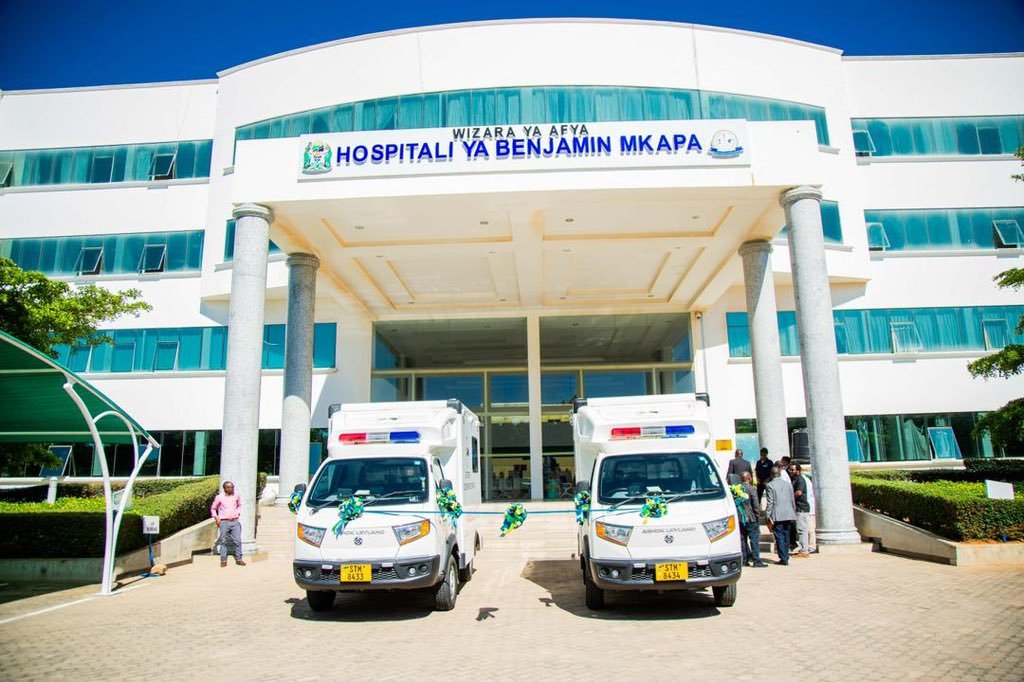
Tanzania has taken another significant step towards becoming a regional centre for specialised healthcare after Benjamin Mkapa Hospital (BMH) successfully performed minimally invasive heart surgery on three children from Burundi, highlighting the country’s growing capacity to provide advanced medical treatment previously sought outside Africa.
The operations, carried out in collaboration with specialists from the Jakaya Kikwete Cardiac Institute (JKCI), represent the first time the two institutions have jointly performed the advanced procedures on foreign paediatric patients, reinforcing Tanzania’s ambition to position itself as a destination for specialised healthcare in East and Central Africa.
Speaking after the successful surgeries, BMH Executive Director Prof Abel Makubi said the achievement demonstrates the country’s expanding medical expertise and supports the government’s strategy to develop medical tourism by attracting patients from neighbouring countries.
“We have successfully completed heart surgery on three children from Burundi. This demonstrates how we can work together by leveraging our expertise to serve Tanzanians while also expanding the country’s capacity to provide specialised treatment for patients from neighbouring countries,” Prof Makubi said.
The three children underwent minimally invasive procedures to repair congenital heart defects, specifically holes in the heart, using techniques that require smaller surgical incisions than conventional open-heart surgery.
Medical specialists say minimally invasive cardiac surgery generally reduces blood loss, lowers the risk of infection, shortens hospital stays and allows patients to recover more quickly compared with traditional open-heart operations.
The procedures were performed by a multidisciplinary team comprising cardiac surgeons, cardiologists, anaesthetists, intensive care specialists, nurses and biomedical professionals from both BMH and JKCI, reflecting Tanzania’s growing capacity to undertake highly specialised interventions through collaboration between national referral institutions.
The successful surgeries also underscore increasing regional confidence in Tanzania’s healthcare system. For many years, patients requiring complex cardiac treatment often travelled to countries such as India, South Africa or Europe, a journey that imposed substantial financial and logistical burdens on families and governments.
Officials say strengthening local centres of excellence enables more patients to receive advanced treatment closer to home while reducing healthcare costs and improving access to life-saving services.
The achievement aligns with Tanzania’s broader healthcare development strategy, which seeks to expand specialist services in cardiology, oncology, neurosurgery, organ transplantation, kidney care and other advanced medical fields.
The government has invested heavily in upgrading referral hospitals, acquiring modern diagnostic equipment and expanding specialist training as part of efforts to reduce dependence on overseas treatment and improve access to high-quality healthcare.
Health experts note that congenital heart disease remains one of the most common birth defects worldwide, with thousands of children across Africa requiring specialised cardiac interventions every year. However, access to paediatric heart surgery remains limited in many countries because of shortages of specialised facilities, equipment and highly trained personnel.
Also Read, The Global South Is Reshaping The World Order
By strengthening collaboration between institutions such as BMH and JKCI, Tanzania is steadily building a regional network capable of delivering advanced cardiovascular care while training the next generation of cardiac specialists.
Analysts say the country’s progress could help position Tanzania as a leading destination for specialised healthcare within the East African Community (EAC) and the wider African continent, supporting both public health and economic development through medical tourism.
As demand for specialised healthcare continues to grow across the region, officials believe investments in modern hospitals, advanced technology and specialist training will further enhance Tanzania’s reputation as an emerging centre of medical excellence, enabling more African patients to access world-class treatment without leaving the continent.