MWE Correspondent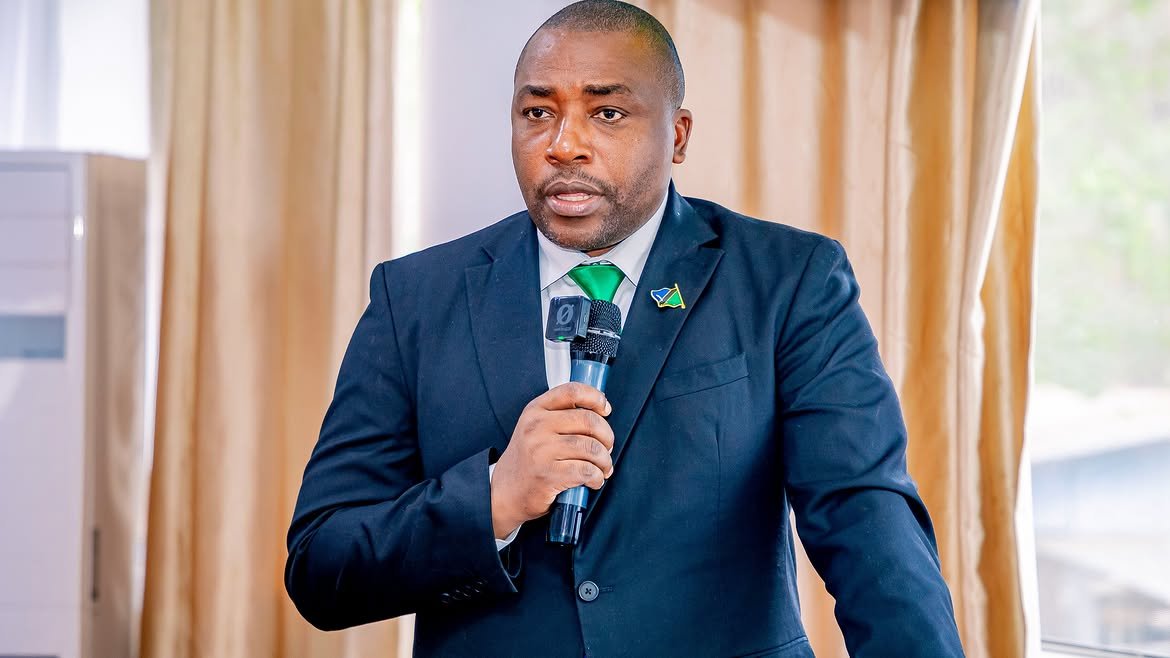
The Arusha Regional Administrative Secretary, Dr Toba Alnason Nguvila, has directed all council directors in the region to prepare clear plans for settling debts owed for health commodities, based on their respective financial capacities.
The plans must be submitted to his office by September 30, 2026, as the region moves to strengthen the availability of medicines and other essential health supplies across public health facilities.
The directive was issued during a working meeting involving Council Directors, Council Medical Officers, treasurers, health accountants, the Medical Stores Department (MSD) manager, NHIF officials and district pharmacists.
Dr Nguvila also instructed council directors to strengthen revenue collection at health facilities and ensure that available resources are properly utilized. He further called for tighter control over new debts by ensuring that orders for medicines and other health commodities are aligned with actual demand, approved budgets and the councils’ ability to pay.
Council Executive Directors have additionally been directed to submit monthly reports detailing payments made toward outstanding health commodity debts and provide regular updates to the regional administration.
They were also tasked with supervising health professionals under their respective councils to ensure that the availability of essential health commodities reaches at least 95 percent.

Also Read: DAWASA Urges Businesses To Help Curb Water Loss
According to regional data, the average availability of health commodities in Arusha stood at 92 percent as of August 2026, leaving an eight-percentage-point gap to the national target of more than 95 percent outlined under Tanzania’s Health Sector Strategic Plan V (HSSP V), which covered the 2021–2026 period. The Ministry of Health has identified continuous availability of essential health commodities as a key priority for improving service delivery.
The issue comes as Tanzania continues efforts to strengthen the country’s health system amid an expansion of health services. The Ministry of Health reported in September 2026 that the number of health facilities had increased from 10,153 in 2021/22 to 13,683 by March 2026, while more than 85 percent of Tanzanians were able to access healthcare within five kilometres of their homes.
The government has also continued implementing Universal Health Insurance reforms. In July 2026, the Ministry of Health said NHIF had expanded coverage to more than 10.2 percent of Tanzanians, while the Fund reported that its insurance services were available through more than 10,000 health facilities nationwide.
With more people expected to access healthcare through insurance schemes, the availability of medicines and medical supplies remains closely linked to the quality and continuity of services provided at health facilities.
Meanwhile, Arusha council directors have been instructed to take direct responsibility for ensuring that heads of departments under their authority perform their duties and submit reports on time.
The regional administration has also emphasized that information and communication technology systems should not merely be connected but fully utilized to improve transparency, strengthen revenue collection and enhance public services.
The measures place greater emphasis on financial accountability, proper procurement and digital management as the region seeks to close the remaining gap in health commodity availability and improve access to essential healthcare services.