 Hassan Magulumali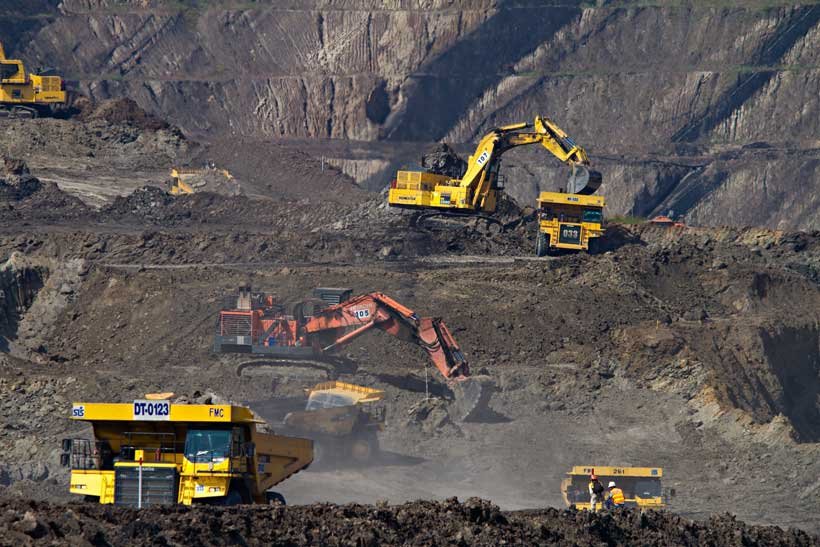
Africa’s vast mineral resources are increasingly becoming a focal point in a new wave of geopolitical competition, raising concerns that the continent is once again being drawn into a form of neocolonial influence this time driven by global demand for critical minerals.
From cobalt and lithium to gold and rare earth elements, African countries hold some of the world’s most valuable deposits. These resources are essential for modern technologies, including electric vehicles, renewable energy systems, and advanced electronics. As demand surges, major powers such as the United States, China, and Russia are intensifying efforts to secure access.
Ready More: How Superpowers Influence African Alliances
However, analysts warn that this competition is placing African nations under growing pressure. Governments negotiating mining deals or infrastructure agreements often find themselves balancing competing interests from rival global powers. Choosing one partner over another can trigger diplomatic tension, economic consequences, or shifts in foreign support.
Countries rich in minerals, such as the Democratic Republic of the Congo, have become key battlegrounds for influence. The DRC alone produces a significant share of the world’s cobalt, a critical component in battery production. While foreign investment has brought infrastructure and jobs, critics argue that much of the wealth generated continues to flow the continent, with limited long-term benefits for local communities.
Concerns are also growing over the structure of mining agreements. Some deals reportedly grant extensive control to foreign companies, raising fears of resource exploitation and loss of national ownership. In certain cases, governments have been accused of accepting unfavorable terms due to economic pressure or lack of bargaining power.
Beyond economics, security and politics are also at play. Control over mineral-rich regions has, in some areas, contributed to instability and conflict, as different actors both domestic and international seek to maintain influence over strategic resources.
Supporters of foreign partnerships argue that international investment is essential for developing Africa’s mining sector, bringing in technology, expertise, and capital that may not be available locally. They stress that the issue is not foreign involvement itself, but how agreements are structured and enforced.
Still, the broader concern remains: whether Africa is truly benefiting from its natural wealth or becoming increasingly entangled in a global race for resources that mirrors patterns of the past.
As competition for critical minerals intensifies, African nations face a defining challenge how to protect their resources, strengthen their negotiating power, and ensure that the continent’s mineral wealth drives sustainable development rather than external dependency.