MWE Correspondent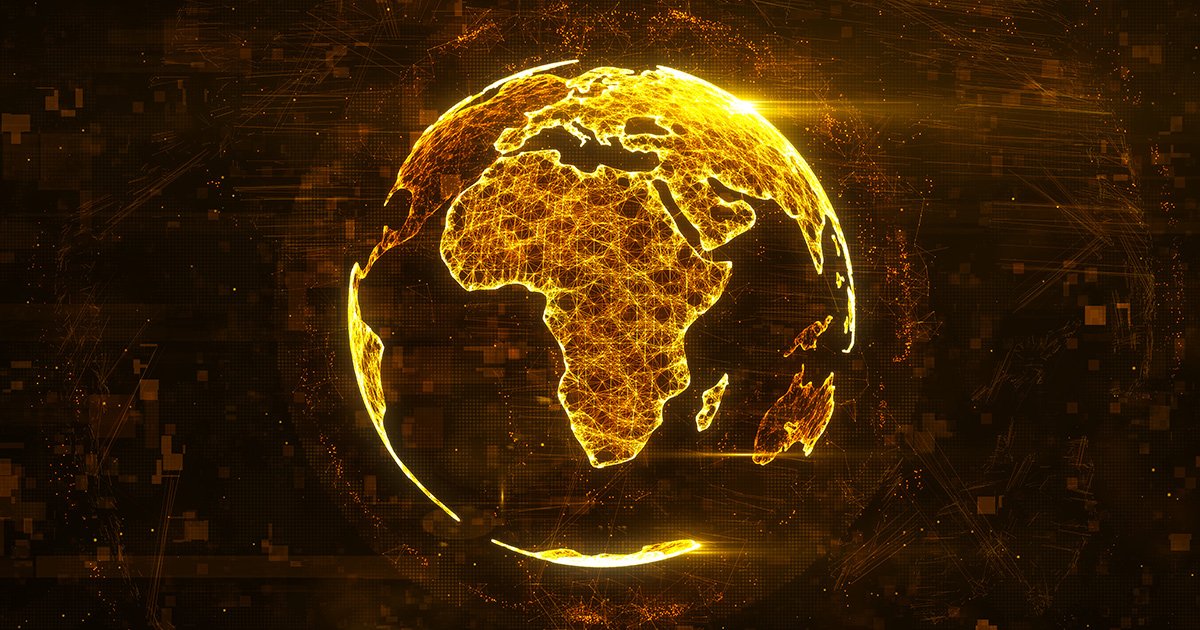
Before engineers can manufacture fighter aircraft, electric vehicles, advanced semiconductors or wind turbines, they must first secure one essential ingredient—rare earth elements.
These minerals, extracted from the earth in relatively small quantities, have become the invisible foundation of modern technology.
From smartphones and satellites to precision-guided defence systems and artificial intelligence infrastructure, rare earths are quietly powering the industries that will define the twenty-first century.
That reality has transformed Africa into one of the world’s most strategically important regions.
Throughout 2026, governments and multinational corporations have intensified efforts to secure access to reliable supplies of rare earth elements as geopolitical tensions continue to reshape global supply chains. Countries that once viewed mining primarily as a commercial activity now increasingly regard it as an issue of national security, industrial resilience and technological leadership.
Africa possesses significant deposits of rare earth elements in countries including Tanzania, South Africa, Burundi, Madagascar, Malawi and Namibia. Although some reserves remain underdeveloped, geological surveys continue to reveal new opportunities capable of reshaping the continent’s role within the global economy.
For many African governments, this growing international attention presents a historic opportunity.
Rare earths are no longer simply export commodities.
They have become strategic assets that provide African nations with stronger negotiating positions than during previous commodity booms.
China currently dominates much of the world’s rare earth processing capacity, having invested heavily over several decades in refining technologies and industrial supply chains. As a result, many countries have become increasingly concerned about concentrating critical supply chains within a limited number of markets.
Also Read, Trump Declares US Will Guard Strait of Hormuz
This concern has encouraged the United States, the European Union, Japan, Australia and several other partners to expand cooperation with African governments through investment, technology partnerships and mineral development agreements.
The objective is not merely increasing production.
It is diversifying global supply.
This evolving competition has elevated Rare Earth Elements into one of the defining geopolitical resources of the modern economy.
Unlike many traditional minerals, rare earth elements are essential components in technologies considered critical for economic competitiveness, national defence and the transition toward cleaner energy systems.
As demand continues expanding, governments are placing increasing emphasis on securing long-term access through stable international partnerships.
For Africa, however, access alone should not define success.
Many policymakers argue that the continent must avoid repeating historical economic models in which raw materials are exported while higher-value industrial activities remain concentrated elsewhere.
Instead, African countries are increasingly promoting Resource Sovereignty through policies encouraging local mineral processing, technology transfer, workforce development and manufacturing investment.
The goal is to capture a larger share of the value chain.
Processing facilities, component manufacturing and research institutions generate significantly greater economic value than raw mineral exports alone.
Building these industries would also strengthen domestic employment, technological capability and industrial resilience.
Environmental responsibility remains equally important.
Rare earth extraction requires careful management to minimise environmental impacts and protect surrounding communities. Governments therefore face the dual challenge of attracting investment while maintaining strong environmental standards, regulatory transparency and community participation.
Balancing economic opportunity with sustainable development will determine whether the sector delivers lasting national benefits.
Regional cooperation offers another important opportunity.
Through stronger collaboration under the African Continental Free Trade Area, countries can develop integrated mineral value chains, coordinate industrial policies and strengthen their collective bargaining position within global markets.
Rather than competing individually, African economies could create complementary industries supporting regional manufacturing and technological development.
Such an approach would significantly enhance the continent’s strategic influence.
The broader geopolitical implications continue expanding.
Rare earths increasingly influence diplomatic relationships, industrial policy, defence planning and international investment decisions.
Countries capable of securing reliable access to these resources will strengthen their technological competitiveness.
Countries capable of processing them will strengthen their industrial influence.
For Africa, the challenge extends beyond extraction.
The continent must determine whether rare earth wealth becomes another chapter in the export of raw resources—or the foundation of a new industrial economy.
The choices made today will influence employment, innovation, economic resilience and geopolitical relevance for decades.
Rare earth elements may be hidden beneath African soil.
But their greatest value lies in the future they can help build above it.
In the emerging global economy, Africa’s rare earths are becoming far more than minerals.
They are becoming one of the defining strategic assets of the modern world.