MWE Correspondent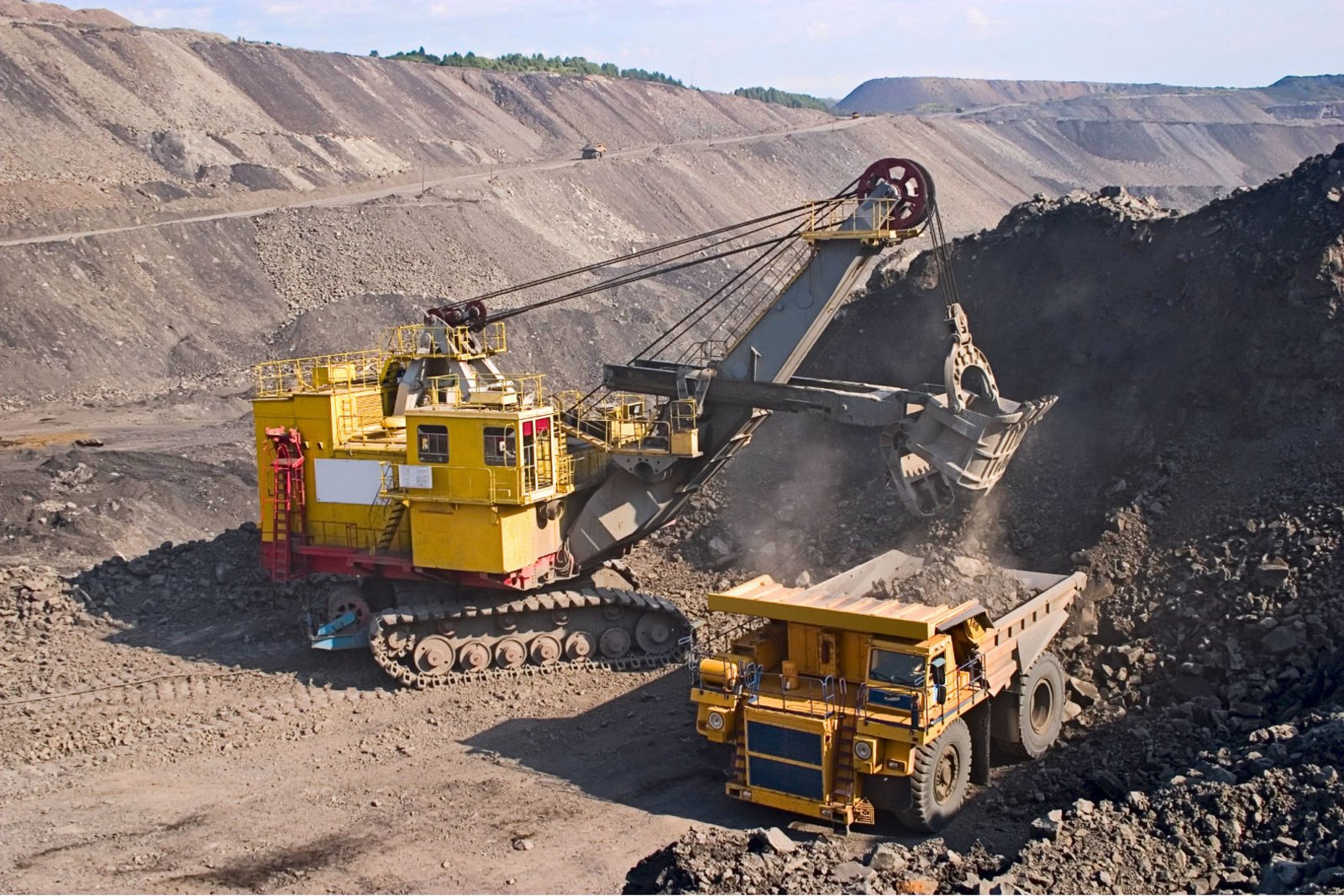
Long before financial markets open in New York, London or Shanghai, excavators are already at work in mines scattered across Africa.
Thousands of tonnes of rock are lifted from the ground every day, carrying minerals that will eventually become electric vehicle batteries, wind turbines, advanced military systems, semiconductors and artificial intelligence infrastructure.
For miners, it is another day at work.
For the world’s largest economies, it is another day in a competition that is rapidly redefining global power.
Throughout 2026, demand for critical minerals has continued to accelerate as governments race to secure the raw materials needed for the clean energy transition and next-generation technologies. What was once considered a commercial mining industry has become one of the world’s most strategically important geopolitical arenas.
Countries are no longer competing simply to buy minerals.
They are competing to secure the industrial future built upon them.
Africa has become central to this transformation.
The continent possesses significant reserves of cobalt, lithium, manganese, graphite, copper, platinum group metals and rare earth elements—resources considered indispensable for modern manufacturing and technological innovation. According to international industry assessments, Africa’s importance within global supply chains is expected to continue expanding as demand for clean energy technologies grows over the coming decades.
Also Read, Trump Declares US Will Guard Strait of Hormuz
This has transformed mineral diplomacy into an essential part of foreign policy.
China continues to maintain a substantial presence across Africa’s mining sector through investment, infrastructure development and mineral processing. Meanwhile, the United States, the European Union, Japan, South Korea and other partners have strengthened engagement with African governments as they seek more diversified and resilient supply chains.
The competition is no longer hidden.
It is increasingly shaping international diplomacy.
This changing environment presents Africa with opportunities that previous generations rarely possessed.
Unlike earlier commodity booms, African governments today have greater negotiating leverage because critical minerals have become essential to multiple industries simultaneously. Demand is expected to remain strong as electric mobility, renewable energy, artificial intelligence and advanced manufacturing continue expanding worldwide.
This growing influence has placed Resource Sovereignty at the centre of national development strategies.
Resource sovereignty means ensuring that countries retain meaningful control over how strategic resources are extracted, processed and commercialised. Increasingly, African governments are seeking agreements that include local processing, skills development, technology transfer and industrial investment instead of relying exclusively on raw mineral exports.
Several countries have already introduced policies encouraging domestic beneficiation and value addition before export.
The objective is becoming clearer.
Africa does not simply want to export minerals.
It wants to participate in the industries those minerals create.
This ambition is closely linked to Critical Minerals, which have evolved from industrial commodities into strategic geopolitical assets.
In previous decades, control over oil largely determined geopolitical influence.
Today, control over minerals used in batteries, advanced electronics and renewable technologies is becoming equally significant.
Governments capable of securing reliable access to these resources are likely to strengthen their industrial competitiveness for decades.
However, opportunities are accompanied by considerable responsibilities.
Mining expansion must be supported by strong governance, transparent licensing systems and effective environmental protection. Local communities increasingly expect mining projects to create employment, improve infrastructure and contribute directly to national development.
Without these safeguards, mineral wealth risks repeating historical patterns where significant resources generated limited long-term prosperity for producing countries.
Regional cooperation may become one of Africa’s greatest advantages.
Through stronger collaboration, harmonised regulations and expanded intra-African trade, countries can strengthen regional value chains capable of supporting mineral processing, battery manufacturing and advanced industrial production.
Such cooperation would increase Africa’s bargaining power while reducing dependence on external processing capacity.
This broader transformation is driving Industrial Transformation across the continent.
Industrial transformation requires more than mining.
It demands investment in electricity, transport infrastructure, technical education, research institutions and manufacturing capacity capable of producing higher-value goods.
Countries that successfully integrate these sectors could move beyond resource extraction toward becoming competitive industrial economies.
The implications extend far beyond Africa.
The decisions made in African capitals increasingly influence global supply chains, energy security, technological innovation and economic stability.
Investors recognise this reality.
Governments recognise it.
Manufacturers recognise it.
The question is whether Africa can fully convert strategic importance into lasting economic prosperity.
History shows that natural resources alone do not create wealth.
Institutions, leadership and long-term industrial strategy determine whether resource-rich nations become exporters of opportunity or exporters of raw materials.
The world has entered a new era where critical minerals increasingly shape diplomacy, investment and technological competition.
Africa stands at the centre of that transformation.
Whether the continent becomes the foundation of a new industrial revolution—or remains primarily a supplier of strategic resources—will depend on choices made today that could influence global power for generations to come.