 MWE Correspondent
African countries must make greater use of domestic resources to develop their renewable energy potential and achieve lasting energy independence, Ethiopian Water and Energy State Minister Dinku Seyoum has said.
Speaking at the 36th African Hydropower Symposium in Addis Ababa, Ethiopia, Seyoum stressed that Africa’s ability to transform its economies depends on investing in its own energy resources, strengthening regional cooperation and ensuring sustainable management of natural resources.
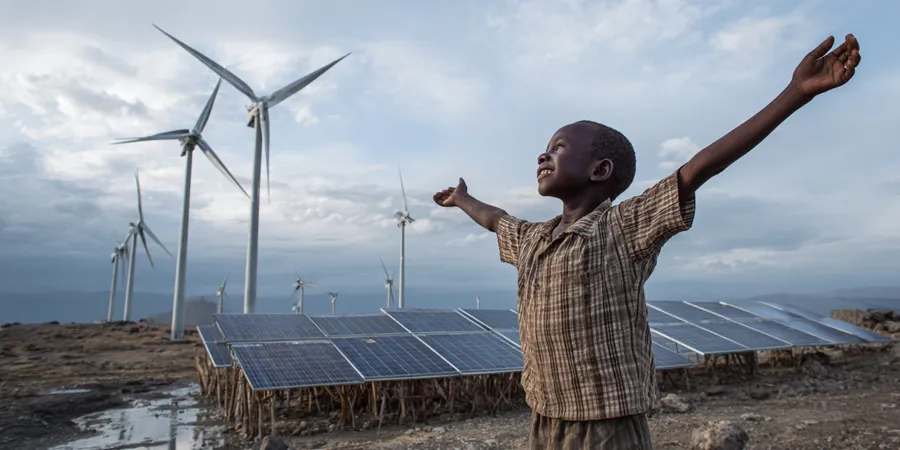
He highlighted the importance of developing Africa’s abundant renewable energy sources, including hydropower, solar, wind and geothermal energy, arguing that countries must take greater responsibility for financing and implementing projects that support their long-term development ambitions.
Africa possesses significant untapped energy resources, yet millions of people across the continent still lack reliable access to electricity. Limited power supplies continue to affect industrial production, agricultural processing, healthcare, education and the growth of small and medium-sized enterprises.
Seyoum’s remarks underscore the importance of mobilising domestic financial resources, improving national energy policies and strengthening the capacity of African institutions to plan, finance and manage infrastructure projects. Greater participation by local governments, development banks, pension funds and private investors could help reduce dependence on external financing while ensuring that more economic benefits remain within African economies.
The minister also emphasised that regional economic transformation requires countries to strengthen shared electricity infrastructure through regional power pools and cross-border electricity trade.
Under this approach, countries with surplus electricity can supply neighbouring markets facing shortages, helping improve energy security, reduce supply costs and make better use of existing generation capacity. Regional electricity networks can also support investment in large-scale renewable projects that may be more efficient when developed to serve several countries rather than a single national market.
Also Read: Russia Targets $50 Billion Africa Trade by 2030
Africa has established regional power cooperation frameworks, including the Eastern Africa Power Pool, the Southern African Power Pool, the West African Power Pool and the Central African Power Pool. These initiatives seek to improve electricity interconnections and facilitate power exchanges, although progress varies across regions because of infrastructure gaps, financing constraints and differences in national regulations.
Stronger cooperation could be particularly beneficial for countries investing in major hydropower projects, solar parks and wind farms. Reliable cross-border transmission lines would allow electricity to reach wider markets, improve the commercial viability of projects and help countries manage seasonal variations in renewable energy production.
However, Seyoum cautioned that the expansion of water-dependent energy generation must be accompanied by strict environmental protection to ensure its long-term sustainability.
Hydropower provides a major source of renewable electricity in several African countries, but its performance depends on water availability, rainfall patterns and the health of river basins. Climate change, prolonged droughts, deforestation and competing demands for water can affect electricity generation and increase pressure on communities and ecosystems.
Sustainable hydropower development therefore requires careful environmental assessments, responsible water management, protection of biodiversity and meaningful consultation with communities affected by dams and related infrastructure. Governments must also consider the needs of agriculture, fisheries and households that depend on the same water resources.
Diversifying electricity generation through solar, wind and geothermal energy can complement hydropower and reduce exposure to changing rainfall patterns. Combining different renewable sources with stronger transmission networks and energy storage could help African countries build more resilient electricity systems.
The discussions at the Addis Ababa symposium reflect a wider continental challenge: translating Africa’s natural resource advantages into affordable, reliable and sustainable electricity.
For African countries, energy independence will depend not only on the availability of resources but also on effective institutions, local investment, technical expertise and regional collaboration. By strengthening these foundations, governments can expand electricity access, support industrialisation and create economic opportunities while protecting the natural resources on which future generations will depend.