
 editor
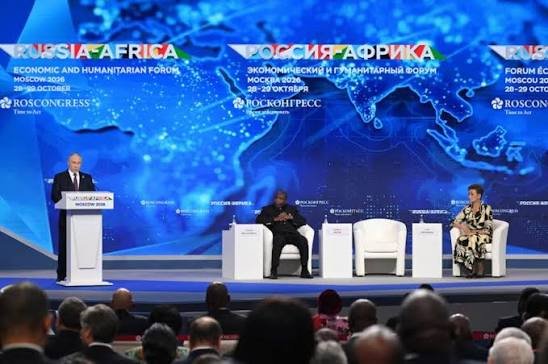
Russia aims to increase its trade with African countries to $50 billion by 2030, with agricultural imports and stronger economic cooperation identified as key priorities in Moscow’s strategy to expand commercial relations with the continent.
Pavel Kalmychek of Russia’s Ministry of Economic Development told Sputnik Africa that the target would require deeper engagement with African partners, improved trade arrangements and greater diversification of goods exchanged between the two sides.
As part of these efforts, Russia has signed five new intergovernmental agreements and held discussions with representatives of the African Continental Free Trade Area (AfCFTA) to develop a joint action plan aimed at strengthening trade and economic cooperation.
The initiative reflects Moscow’s broader effort to expand its economic partnerships across Africa by increasing access to markets, developing new supply chains and establishing more structured cooperation with African governments and regional institutions.
Agriculture is expected to play an important role in achieving the target. Russia is a major global exporter of wheat and other agricultural commodities, while African countries have growing demand for food supplies, agricultural inputs and technologies that can support domestic production.
Increasing agricultural imports could create opportunities for African exporters to supply Russia with products such as coffee, cocoa, tea, fruits, vegetables and other commodities, depending on market demand and applicable trade requirements. Stronger commercial links could also help African producers reach new markets and diversify their export destinations.
Also Read: Zelensky Thanks US and Europe for Ukraine Support
However, achieving balanced growth will depend on more than increasing the volume of agricultural shipments. African countries will need to strengthen processing capacity, improve product quality, meet food safety standards and develop reliable transport and logistics systems to compete effectively in international markets.
The proposed cooperation with AfCFTA is particularly significant because the continental initiative seeks to create a more integrated African market by reducing trade barriers and facilitating the movement of goods and services among participating countries.
Although Russia is not a member of the African free-trade area, engagement with its representatives could help identify practical ways to connect Russian businesses with African markets and improve cooperation with regional economic institutions.
For African countries, expanded trade with Russia could offer opportunities to attract investment, access machinery and industrial equipment, develop agricultural value chains and increase exports beyond traditional trading partners. Cooperation could also extend to energy, mining, pharmaceuticals, transport infrastructure, fertilisers and technology.
Nevertheless, turning the $50 billion ambition into measurable results will require concrete commercial agreements, effective payment mechanisms, predictable regulations and improved shipping connections. Businesses on both sides must also navigate differences in standards, financing arrangements and international sanctions affecting some Russian trade and financial transactions.
The distribution of benefits will be another important consideration for African governments. Greater trade volumes do not automatically translate into industrial development or employment unless countries increase local processing, support domestic enterprises and negotiate arrangements that strengthen their productive capacity.
Russia’s latest initiative therefore signals an ambition to move beyond diplomatic engagement towards a broader and more commercially focused relationship with Africa. Whether the target can be achieved by 2030 will depend on the implementation of the new agreements, the effectiveness of cooperation with African institutions and the ability of businesses to turn political commitments into sustained trade.


