MWE Correspondent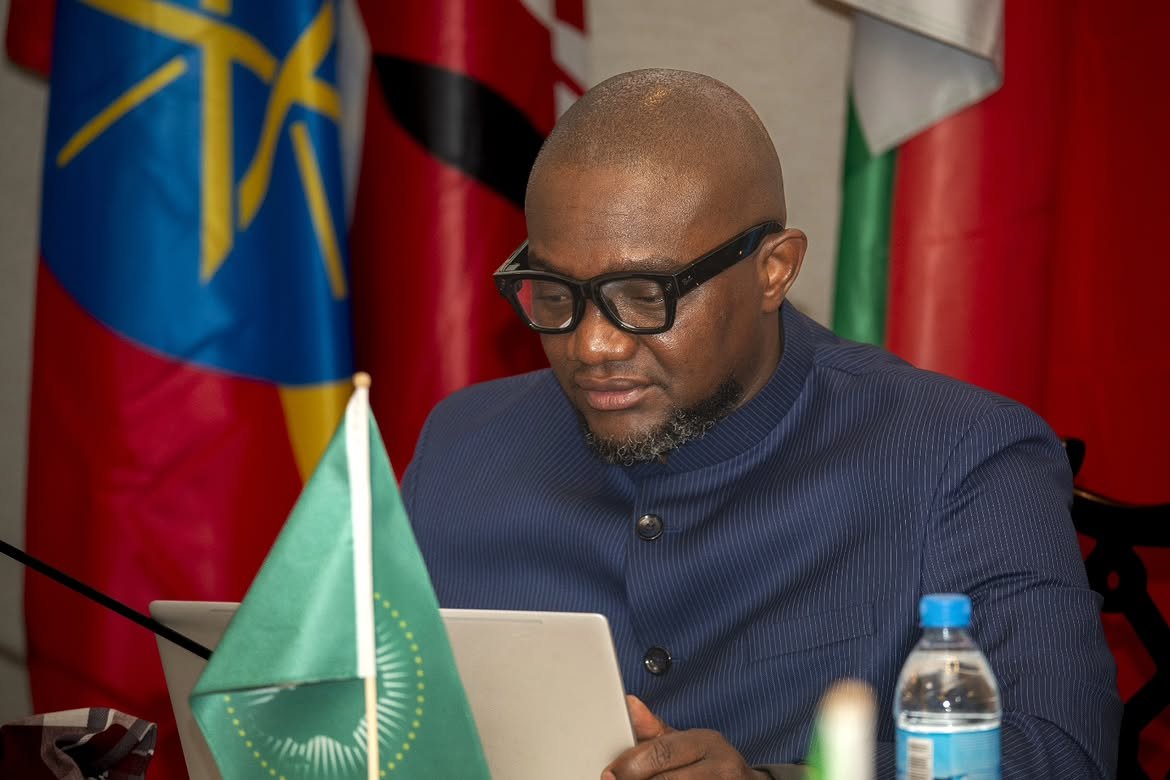
African countries have been urged to increase reliable investment and innovation in maternal, child and primary healthcare to strengthen health security and self-reliance across the continent.
Tanzania’s Minister for Health, Mohamed Mchengerwa, made the call on August 18, 2026, in Dar es Salaam while addressing the Fourth Meeting of the East African Regional Steering Committee (ReSCO), which he chaired.
Mchengerwa said Africa must take greater responsibility for its own health systems, particularly by prioritising the wellbeing of mothers and children.
“Africa should take responsibility for its own health. Maternal and child health is an important measure of the performance of health systems and the development of nations. When mothers and children are safe, families become stronger, communities are better able to respond to challenges and nations become more secure,” he said.
The minister said maternal and child mortality remains a major challenge across Africa.
Also Read: The Geopolitics Behind Tanzania’s US Health Deal
According to United Nations figures cited by Mchengerwa, the maternal mortality rate in Africa stood at 454 deaths per 100,000 live births in 2025, while the under-five mortality rate reached 71 deaths per 1,000 live births.
He said the figures demonstrate the need for African countries to strengthen investments in healthcare systems and ensure that essential services are accessible to mothers and children.
Mchengerwa also highlighted the health threats facing East Africa that can cross national borders, including outbreaks of Ebola, cholera and mpox, as well as the growing impact of climate change and humanitarian crises.
He called for stronger regional preparedness, saying countries should not wait for health emergencies to occur before working together.
“Our African countries should not wait for an emergency to occur before they begin cooperating. Instead, we should strengthen disease surveillance at our borders, joint preparedness, laboratories and public health emergency centres,” Mchengerwa said.
The minister further emphasised the importance of regional cooperation in responding to emerging and cross-border health threats.
He said East African countries need to improve coordination and investment in primary healthcare, maternal and child health, disease surveillance and emergency preparedness to build stronger and more resilient health systems.
Speaking about Tanzania, Mchengerwa said continued investment in the health sector had improved access to healthcare services across the country.
He noted that approximately 80 per cent of Tanzanians can now access health services within five kilometres of their places of residence, describing the progress as part of the government’s efforts to expand access to essential healthcare.
Mchengerwa said the government would continue strengthening Tanzania’s national and regional capacity to prepare for and respond to disease outbreaks.
He called on East African countries to deepen cooperation and increase investment in primary healthcare and maternal and child health as part of efforts to build resilient health systems capable of protecting populations from both existing and emerging health threats.