Angela Mushi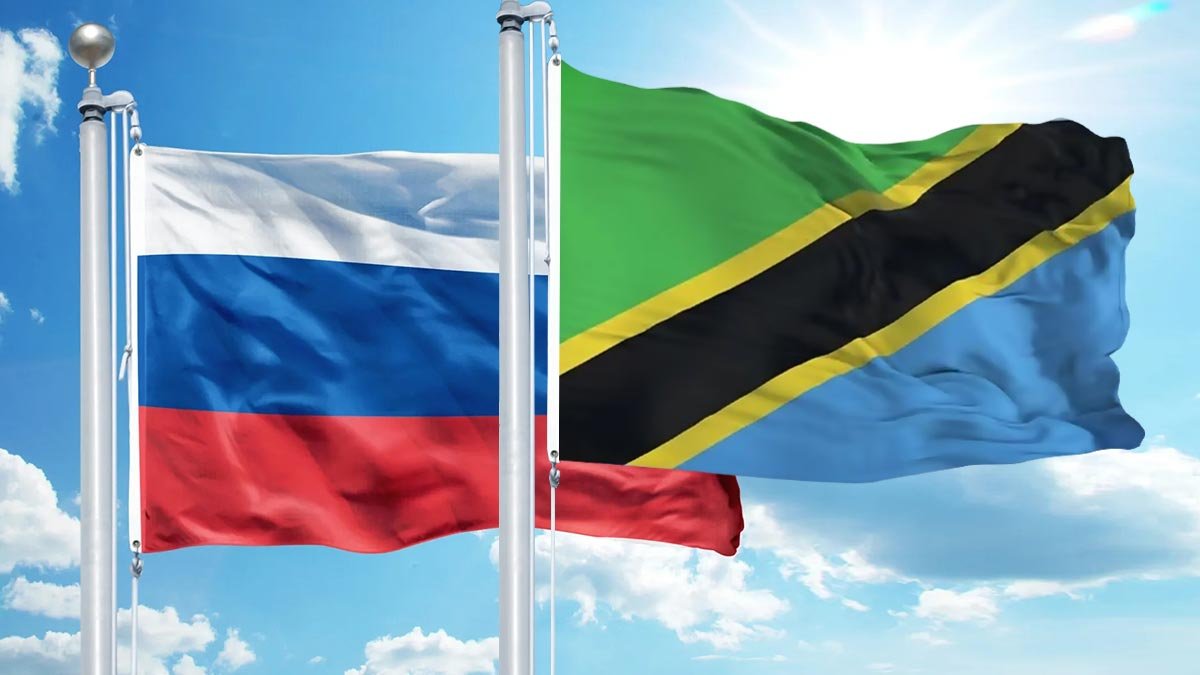
As Tanzania prepares for deeper engagement with Russia ahead of the Third Russia–Africa Summit in Moscow on October 28–29, 2026, the country faces a familiar African problem: how to turn diplomatic promises into factories, jobs, technology and measurable economic gains.
Tanzania and Russia have already expanded discussions across agriculture, mining, manufacturing, energy, transport, pharmaceuticals, digitalisation, education and tourism. At the Tanzania–Russia Business and Investment Forum in Arusha in May, Russian and Tanzanian officials also discussed an investment-protection agreement intended to reduce risks for investors.
But a long list of sectors is not an investment strategy.
The danger for Tanzania is that another high-level summit could produce photographs, memoranda and political declarations while the country continues exporting raw materials and importing finished products.
The Third Russia–Africa Summit is officially expected to focus on trade, investment, energy, agriculture, infrastructure, digitalisation and other areas of cooperation. The challenge is whether Tanzania arrives with projects that can be measured after the summit rather than promises that disappear once the delegations return home.
Tanzania has already identified areas where Russian investment could be useful. Agriculture and fertiliser production are among them, while energy, mining, industry, technology, pharmaceuticals and vocational education have also been highlighted.
But inviting Russian companies to “invest in Tanzania” is too broad.
The government should publish a specific list of priority projects before the summit, including the required investment, location, expected jobs, local-content requirements, export targets and technology-transfer obligations.
A fertiliser factory, for example, should not be judged simply by the amount of Russian capital invested. Tanzania should ask how much fertiliser will be produced locally, how many Tanzanians will be trained, how much technology will remain in the country and whether the factory can eventually supply neighbouring African markets.
The same principle should apply to pharmaceuticals, agricultural machinery, food processing, mining equipment and energy projects.
Russia can provide capital, technology and access to markets, but Tanzania should avoid building strategic sectors around a single foreign supplier.
This is particularly important in sectors such as energy, minerals, nuclear technology and financial infrastructure, where relationships can last for decades.
Tanzania is already discussing a small nuclear power project with Russia‘s Rosatom, while a Russian-linked company is developing the Mkuju River uranium project. The Ministry of Minerals says the project could eventually create more than 4,000 direct jobs and produce around 3,000 tonnes of uranium annually.
Such projects could create substantial economic opportunities, but they also demonstrate why Tanzania needs strong negotiating capacity.
Foreign investment should not mean foreign control over strategic value chains.
If Tanzania provides the minerals, land and market while foreign companies retain the technology, financing, processing capacity and majority of the value created, the country could remain trapped in the same commodity-dependent model that has affected African economies for decades.
First, Tanzania should demand local processing. Where investment involves minerals, agricultural products or other natural resources, agreements should prioritise processing inside Tanzania rather than exporting raw materials.
Second, Tanzania should demand technology transfer. Major projects should include training programmes, research partnerships and pathways for Tanzanian engineers, scientists and companies to acquire technical capabilities.
Third, Tanzania should demand local manufacturing. Russian companies entering Tanzania should be encouraged—or where legally appropriate, required through investment agreements—to develop local supplier networks rather than importing most equipment and services from Russia.
Read More: Russia and Africa’s Food Security Revolution
Fourth, Tanzania should demand African market integration. Projects established in Tanzania should be designed to export to East Africa and other African markets, turning the country into a production base rather than simply a consumer market.
Fifth, Tanzania should demand transparent financing. Every major project should make clear who is providing the money, what guarantees are being offered, how debt will be repaid and what happens if the project fails.
Russia’s economic engagement should not only create bilateral trade. Tanzania could attempt to position itself as a manufacturing and logistics hub for Russian companies seeking access to East and Central African markets.
Russian officials have already described Tanzania as a potential base for Russian companies entering East African markets, with transport, ports and logistics infrastructure identified as areas of cooperation.
But Tanzania must ensure that this ambition benefits Tanzanian and African industry.
A Russian company using Tanzania simply as a route into African markets would generate limited value if most products arrive fully manufactured and are merely distributed from Tanzanian ports.
A better model would involve manufacturing, assembly, processing, logistics and technical services being developed inside Tanzania.
That would create jobs and strengthen domestic companies while giving Russian investors access to a larger African market.
For decades, African governments have competed for foreign capital by offering tax incentives, land, access to natural resources and other concessions. Tanzania itself advertises extensive investment incentives, including tax and customs benefits for qualifying projects.
The danger is that governments can become so focused on attracting investment that they stop asking whether the investment is producing enough value for citizens.
Russia should therefore not receive a blank cheque.
Neither should Western, Chinese, Indian or Gulf investors.
Africa’s bargaining power increases when governments compare investors, demand competition and negotiate based on national development priorities rather than political relationships.
It should leave with financing commitments, construction timelines, named implementing companies, employment targets, local-content requirements and mechanisms for public reporting.