MWE Correspondent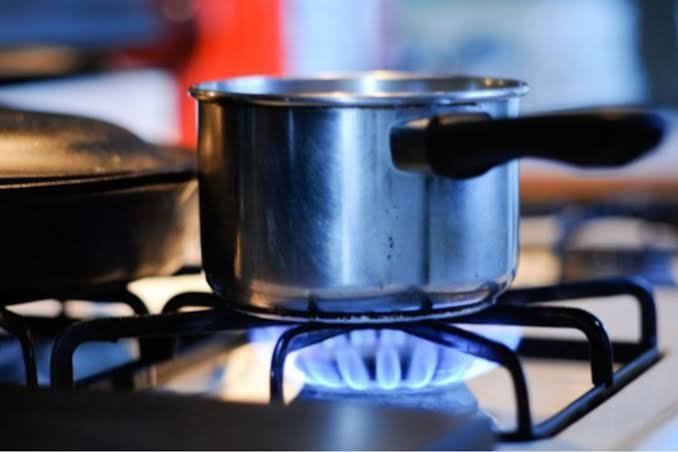
Tanzania’s goal of ensuring that 80 percent of its population uses clean cooking energy by 2034 could be undermined by conflicting government policies, limited financing and the economic dependence of thousands of households on the charcoal industry.
The concerns were raised during an inter-ministerial policy dialogue held at the weekend, which brought together government officials, policymakers and clean-energy stakeholders to assess the country’s transition from traditional cooking fuels.
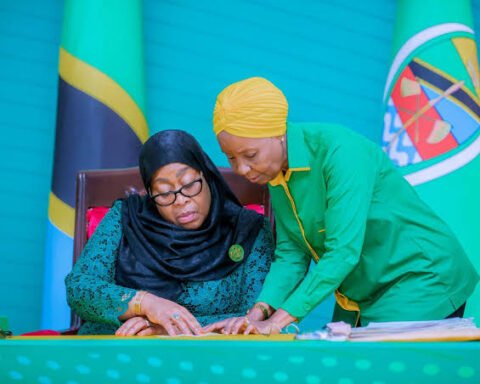
President Samia Suluhu Hassan launched the National Clean Cooking Strategy (2024–2034) in May 2024. The strategy seeks to accelerate the use of cleaner energy sources, including electricity, liquefied petroleum gas (LPG), biogas and improved cookstoves.
Despite the government’s efforts, firewood and charcoal continue to dominate Tanzania’s household energy market.
Figures from the 2022 Population and Housing Census show that 56 percent of households use firewood for cooking, while 25.8 percent rely on charcoal. LPG accounts for 9.1 percent, electricity 4.2 percent and other energy sources make up the remaining 4.9 percent.

However, recent government data indicates that the transition is beginning to gain momentum. According to the Ministry of Energy’s implementation report, access to clean cooking energy increased from 6.9 percent in 2021 to 28.6 percent.
Also Read:Small-Scale Miners to Benefit from New US Investment Partnership
Under a subsidy programme implemented by the Rural Energy Agency (REA), the government has distributed 122,776 improved cookstoves against a target of 200,000. It has also distributed 359,887 subsidised six-kilogramme LPG cylinders out of the targeted 452,445 units.
The Tanzania Electric Supply Company Limited (Tanesco) is also expanding its on-bill financing programme for electric cooking appliances following a successful pilot project. The initiative is expected to enable customers to obtain electric cooking equipment and pay for it gradually through their electricity bills, with the government seeking to reach one million consumers.
Director of Clean Cooking Energy in the Ministry of Energy, Nolasco Mlay, said the increase in clean cooking access was encouraging but warned that achieving the 80 percent target would require stronger cooperation among public institutions, financial organisations, regulators and private investors.
“Tanzania has continued to make great strides in increasing the use of clean cooking energy,” Mr Mlay said.
He added that collaboration across the financial and regulatory sectors would be essential to make clean cooking technologies affordable and accessible to more Tanzanians.
Nevertheless, energy stakeholders say the country’s main challenge is not necessarily the absence of suitable technologies, but a lack of consistency among government policies.
Tanzania Renewable Energy Association (TAREA) chairperson Dr Prosper Magali highlighted an apparent contradiction between the National Charcoal Strategy and Action Plan (2021–2031) and the National Clean Cooking Strategy (2024–2034).
The charcoal strategy, overseen by the Ministry of Natural Resources and Tourism, recognises charcoal as an important source of household energy and seeks to improve the sustainability of its production.
Conversely, the clean cooking strategy, implemented by the Ministry of Energy, seeks to reduce and eventually eliminate dependence on traditional charcoal and firewood.
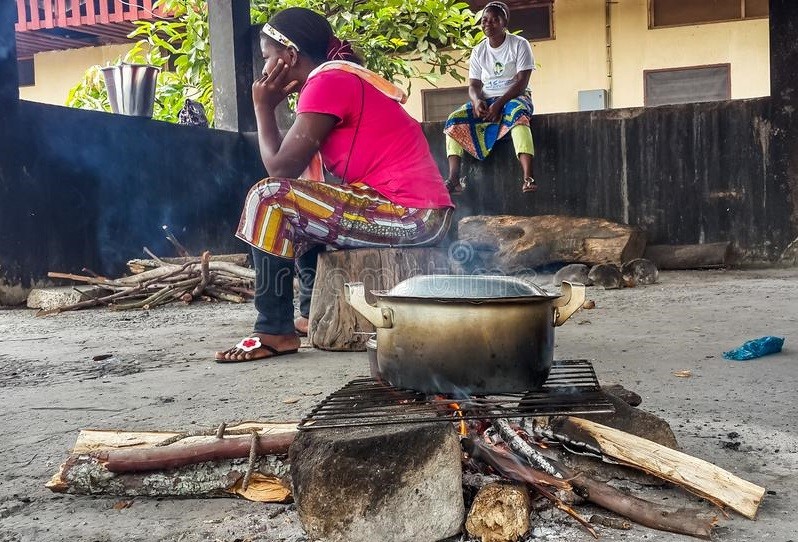
Dr Magali said that although the two policies were intended to support environmental protection and sustainable energy use, their implementation appeared to be pulling the country in different directions.
The situation is further complicated by the economic importance of charcoal. The fuel reportedly contributes 44.2 percent of the forest sector’s gross domestic product, generates more than $1 billion annually and supports hundreds of thousands of people, particularly in rural communities.
Also Read:Tanzania Emerges As Gateway To Africa’s Food Future
A rapid transition away from charcoal without alternative employment and income-generating opportunities could therefore affect people involved in its production, transportation and sale.
Stakeholders have called for the policies to be harmonised to ensure that environmental and public-health objectives are achieved without leaving charcoal-dependent communities economically vulnerable.
They also want the government to strengthen financial support for households that cannot afford the initial cost of LPG cylinders, electric cookers and other modern cooking technologies.
While Tanzania has registered significant progress, moving from 28.6 percent clean cooking access to the targeted 80 percent within the next eight years will require coordinated policies, affordable technologies, adequate investment and measures to protect livelihoods affected by the transition.