MWE Correspondent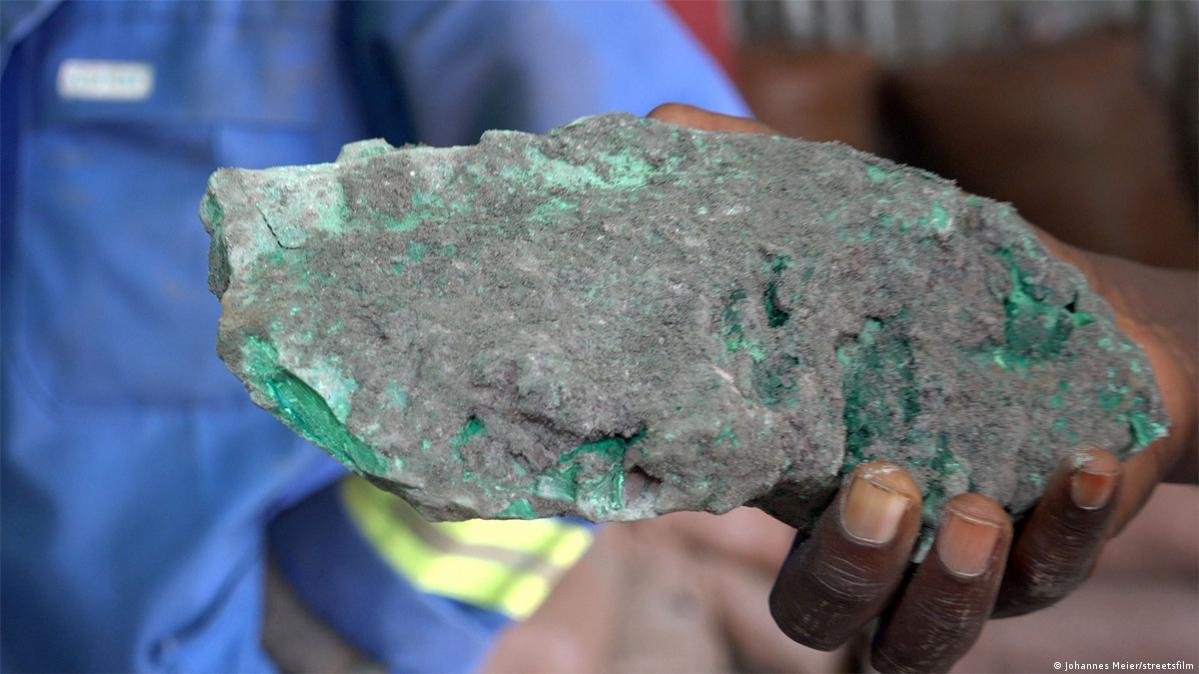
Africa is becoming the center of a new global competition as powerful economies intensify their search for critical minerals needed to drive the next generation of technology, clean energy, and industrial development.
From lithium and cobalt used in electric vehicle batteries to graphite, nickel, copper, and rare earth elements essential for advanced manufacturing, the continent’s natural resources have placed it at the heart of a geopolitical struggle that could redefine global economic relationships.
For decades, Africa’s mineral wealth has attracted foreign interest, but much of the continent’s role in the global economy has remained limited to exporting raw materials rather than producing finished goods. However, the rise of green technologies, artificial intelligence, renewable energy systems, and electric transportation has dramatically increased the strategic value of African resources. Countries that once viewed minerals primarily as commodities are now recognizing them as instruments of economic influence and national security.
The global race for critical minerals is being driven by major economic powers including the United States, China, the European Union, India, and members of BRICS. Each seeks secure access to resources that will determine competitiveness in industries of the future. As demand increases, Africa has gained new bargaining power, with governments pushing for greater local processing, technology transfer, job creation, and industrial development rather than simply exporting unprocessed minerals.
China has maintained a dominant position in Africa’s mining sector for more than two decades. Through infrastructure investments, mining agreements, and development partnerships, Beijing has secured access to key mineral supplies across countries such as the Democratic Republic of Congo, Zambia, Zimbabwe, and other resource-rich nations. Chinese companies have become major players in cobalt, copper, lithium, and other strategic minerals.
However, Western countries are increasingly seeking to reduce dependence on China by strengthening their own partnerships with African nations. The United States and European Union have introduced strategies aimed at creating more diversified mineral supply chains. Their argument is that global industries require reliable and transparent sources of critical materials as competition with China intensifies.
The Democratic Republic of Congo (DRC) remains one of the most important countries in this global mineral competition. The country possesses some of the world’s largest cobalt reserves, a mineral essential for many lithium-ion batteries. Despite this enormous wealth, challenges including illegal mining, poor infrastructure, and limited local processing have prevented many Congolese citizens from fully benefiting from their natural resources.
Also Read, Russia Strikes Ukraine’s Power Plant Amid Winter
The debate over mineral ownership and value addition has become central to Africa’s economic future. Many African leaders argue that the continent should move away from the historical model of exporting raw materials and instead develop industries capable of processing minerals locally. This approach could create skilled employment, increase government revenues, and position African countries as major participants in global manufacturing.
Tanzania is among the African countries seeking to strengthen its position in this changing mineral landscape. The country possesses significant deposits of gold, graphite, nickel, helium, and other valuable resources that are increasingly important for global industries. Government policies have increasingly focused on mineral beneficiation, encouraging investors to establish processing facilities within Tanzania rather than exporting raw materials.
The country’s graphite sector has attracted particular international attention because graphite is a key component in electric vehicle batteries. As the global transition toward renewable energy accelerates, demand for battery minerals is expected to continue rising. Tanzania’s location along the Indian Ocean, combined with infrastructure projects such as railway expansion and port development, provides strategic advantages in connecting mineral production with international markets.
Beyond Tanzania, countries across Africa are attempting to negotiate stronger agreements with foreign investors. Governments are reviewing mining contracts, improving regulatory frameworks, and demanding greater participation in decisions affecting national resources. The objective is to ensure that mineral wealth contributes directly to economic transformation rather than repeating patterns of dependency established during previous eras.
However, challenges remain significant. Many African countries still face shortages of reliable electricity, modern transport networks, skilled technical workers, and advanced industrial facilities required for mineral processing. Without these foundations, nations risk remaining suppliers of raw materials while higher-value manufacturing takes place elsewhere.
Environmental concerns have also become increasingly important. Mining operations can create serious challenges if not properly managed, including land degradation, water pollution, and community displacement. African governments face the difficult task of attracting investment while ensuring environmental protection and fair benefits for local communities.
The competition for Africa’s minerals is not only economic but also geopolitical. Control over critical resources increasingly influences diplomatic relationships, trade agreements, and international alliances. Countries that secure reliable access to minerals will have advantages in sectors ranging from renewable energy and technology to defense manufacturing.
The coming decades could represent a historic opportunity for Africa to transform its natural wealth into industrial power. But achieving this vision will require strong governance, strategic planning, investment in infrastructure, and a commitment to ensuring that African resources create African prosperity.
The global race for minerals has already begun, and Africa is no longer viewed merely as a source of raw materials. The continent has become a strategic arena where the future of technology, energy, and economic power is being negotiated.