MWE Correspondent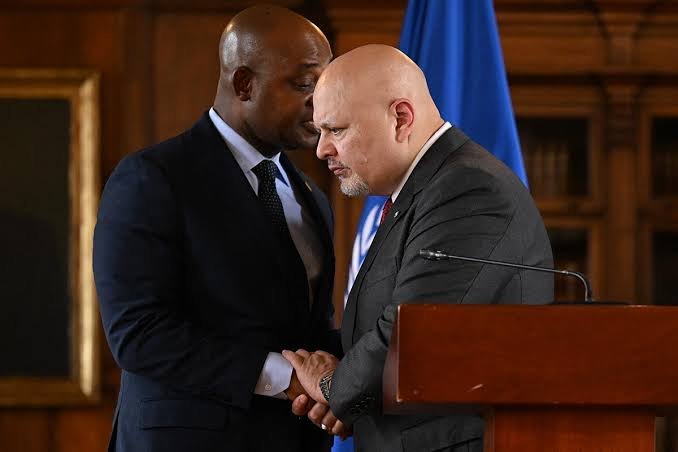
The world’s highest war crimes court is facing one of the most consequential periods in its history as the International Criminal Court (ICC) grapples with mounting political pressure, competing global conflicts and growing scrutiny over its ability to deliver impartial justice.
The court’s investigations into wars in Ukraine, Gaza, Sudan and other conflict zones have placed it at the center of an increasingly polarized international landscape.
The ICC has continued expanding investigations into alleged war crimes and crimes against humanity across multiple regions, reinforcing its mandate that no individual is above international law regardless of political or military status. However, the court’s actions have triggered sharp reactions from powerful governments, exposing the complex intersection between justice and geopolitics.
Legal experts argue that the court’s credibility now depends on its ability to apply international law consistently. Supporters maintain that accountability for atrocities should never depend on a country’s political influence, while critics accuse the court of moving too slowly in some investigations and too aggressively in others.
The court also faces significant operational challenges. Several ICC arrest warrants remain unenforced because the institution has no independent police force and relies entirely on member states to arrest and surrender suspects. This limitation continues to raise questions about whether international justice can be fully effective without stronger global cooperation.
Meanwhile, ongoing conflicts have dramatically increased the court’s workload. Investigators are collecting digital evidence, satellite imagery, forensic material and witness testimony from multiple active war zones, reflecting how modern technology is reshaping international criminal investigations.
Also Read. Hormuz Crisis Sends Global Oil Prices Higher
African legal scholars have called for stronger cooperation between the ICC and regional institutions, arguing that accountability should complement national judicial systems rather than replace them. They also emphasize the need to strengthen domestic courts so that countries can prosecute international crimes locally under the principle of complementarity.
Diplomats warn that the ICC’s future will depend not only on legal decisions but also on the willingness of governments to uphold international law even when politically inconvenient. As geopolitical rivalries deepen, maintaining judicial independence has become one of the court’s greatest institutional tests.
Despite political resistance and enforcement challenges, international law experts argue that the ICC remains a cornerstone of the global justice system. While its decisions may not immediately end conflicts, they establish legal precedents, preserve evidence for future prosecutions and reinforce the principle that accountability for the world’s gravest crimes should not expire with time.