MWE Correspondent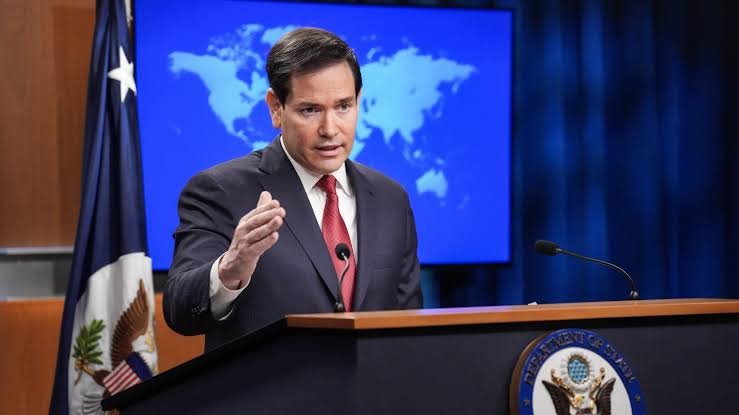
The United States will continue supplying Ukraine with defensive weapons while intensifying efforts to secure a negotiated end to the war with Russia,
Secretary of State Marco Rubio said on Friday, reaffirming Washington’s dual-track strategy of military support and diplomacy more than four years into Europe’s largest armed conflict since World War II.
Speaking about the U.S. approach to the war, Rubio emphasized that providing Ukraine with weapons does not contradict the administration’s commitment to pursuing peace negotiations. Instead, he argued that strengthening Kyiv’s ability to defend itself is intended to create conditions that could eventually lead to a sustainable settlement.
“We are selling Ukraine weapons, but we want a peace agreement. We want the war to end,” Rubio said, underscoring that the United States remains committed to both Ukraine’s security and diplomatic efforts aimed at ending the conflict.
His remarks come as Washington continues to provide military assistance, intelligence support and security cooperation to Ukraine while encouraging renewed diplomatic engagement to halt a war that has claimed tens of thousands of lives, displaced millions of people and reshaped Europe’s security landscape since Russia launched its full-scale invasion in February 2022.
The United States has consistently argued that Ukraine must be able to defend its sovereignty and territorial integrity while negotiations remain possible. American officials have maintained that any peace agreement should be based on international law and respect Ukraine’s independence, though they have also acknowledged that lasting peace will ultimately require dialogue between the warring sides.
Also Read, Macron’s Africa Reset Tests France’s Lost Influence
Rubio’s comments reflect a broader U.S. strategy of combining military assistance with diplomatic pressure, seeking to prevent further Russian advances while leaving the door open for negotiations if meaningful conditions emerge.
The conflict has placed enormous pressure on global food supplies, energy markets and international security, prompting repeated calls from governments and international organizations for a negotiated resolution. However, previous diplomatic initiatives have failed to produce a comprehensive ceasefire, with both Moscow and Kyiv remaining deeply divided over territorial control, security guarantees and the terms of any future settlement.
For Ukraine, continued Western military support remains critical as its armed forces seek to repel Russian attacks and strengthen their defensive positions. For the United States and its European allies, sustaining that support has become a central element of broader efforts to preserve regional stability and deter further aggression.
Rubio stressed that ending the war would benefit all parties by reducing human suffering, restoring stability in Eastern Europe and easing wider geopolitical tensions that have affected economies and security arrangements across the globe.
While no immediate breakthrough in peace negotiations appears imminent, Washington’s latest message signals that military assistance and diplomacy will continue to advance side by side. The United States, Rubio indicated, sees no contradiction between helping Ukraine defend itself today and working toward a negotiated peace that could bring one of the world’s most consequential conflicts to an end.