MWE Correspondent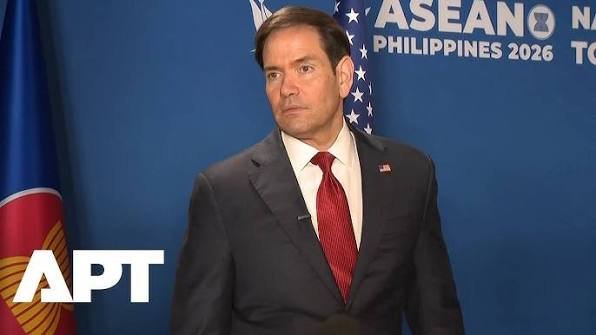
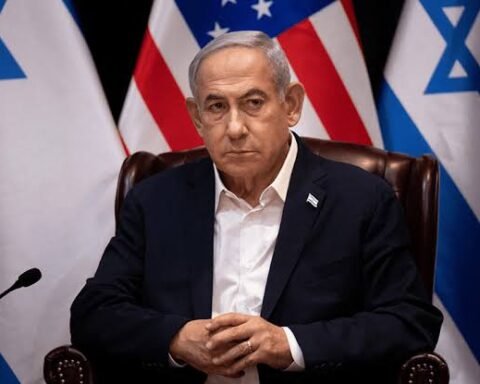
The United States has reaffirmed its opposition to the International Criminal Court’s authority over Israel, with Secretary of State Marco Rubio declaring that Washington will not enforce the ICC’s arrest warrant against Israeli Prime Minister Benjamin Netanyahu, further deepening a diplomatic standoff between the world’s leading superpower and the Hague-based tribunal.
Rubio made the remarks as international scrutiny over the ICC’s investigations into the Gaza conflict continues to intensify, reiterating the longstanding U.S. position that the court lacks jurisdiction over American citizens and close allies that are not parties to the Rome Statute.
“The United States will not enforce the jurisdiction of the ICC against U.S. citizens or our allies,” Rubio said, describing the court as an institution whose authority is not recognized by Washington. He argued that the ICC had exceeded its mandate by pursuing legal action against leaders of countries that have not consented to its jurisdiction.
His comments represent one of the strongest public affirmations by the current U.S. administration of its support for Israel as the legal and diplomatic fallout from the Gaza war continues to reverberate across international institutions.
The dispute centers on arrest warrants issued by the International Criminal Court against Israeli leaders in connection with alleged war crimes and crimes against humanity arising from the ongoing conflict in the Gaza Strip. Israel has rejected the allegations, maintaining that its military operations are conducted in accordance with international law and are aimed at defending the country against attacks by Hamas.
The United States, while occasionally expressing concern over humanitarian conditions in Gaza, has consistently challenged the ICC’s authority to prosecute Israeli officials. Washington argues that because neither the United States nor Israel is a State Party to the Rome Statute—the treaty that established the ICC—the court does not possess legitimate jurisdiction over their nationals without their consent.
Also Read. Macron’s Africa Reset Tests France’s Lost Influence
Successive U.S. administrations have maintained varying degrees of opposition to the court’s attempts to investigate or prosecute American personnel and allied officials. Although the tone has shifted over time, the core legal position has remained largely unchanged: the United States does not recognize the ICC’s jurisdiction over its citizens or those of non-member allied states.
Rubio’s statement comes at a particularly sensitive moment for the ICC, which is itself facing internal challenges. The court’s member states are meeting in New York to determine the future of suspended Chief Prosecutor Karim Khan, who is confronting allegations of sexual misconduct that have triggered an unprecedented leadership crisis within the institution. The simultaneous governance dispute has added another layer of pressure on the court as it continues handling politically charged investigations.
The confrontation also highlights broader divisions within the international community over the role and reach of international justice. While many of the ICC’s 125 member states have pledged to uphold the court’s decisions, several powerful countries—including the United States—continue to reject aspects of its authority, particularly where national sovereignty and strategic allies are concerned.
Legal scholars note that the ICC has no independent police force and relies entirely on member states to execute its arrest warrants. As a result, the effectiveness of its decisions often depends on political cooperation from governments around the world. Countries that are parties to the Rome Statute are generally expected to comply with the court’s requests, although implementation has at times proved politically contentious.
The United States’ refusal to enforce the warrant against Netanyahu is therefore unlikely to alter Washington’s established legal position, but it reinforces the widening gap between major global powers and international judicial institutions over questions of accountability, sovereignty and the limits of international criminal law.
The latest remarks from Rubio underscore that the United States intends to continue shielding its citizens and key allies from what it considers the court’s overreach, even as the ICC presses ahead with some of the most consequential investigations in its history.