MWE Correspondent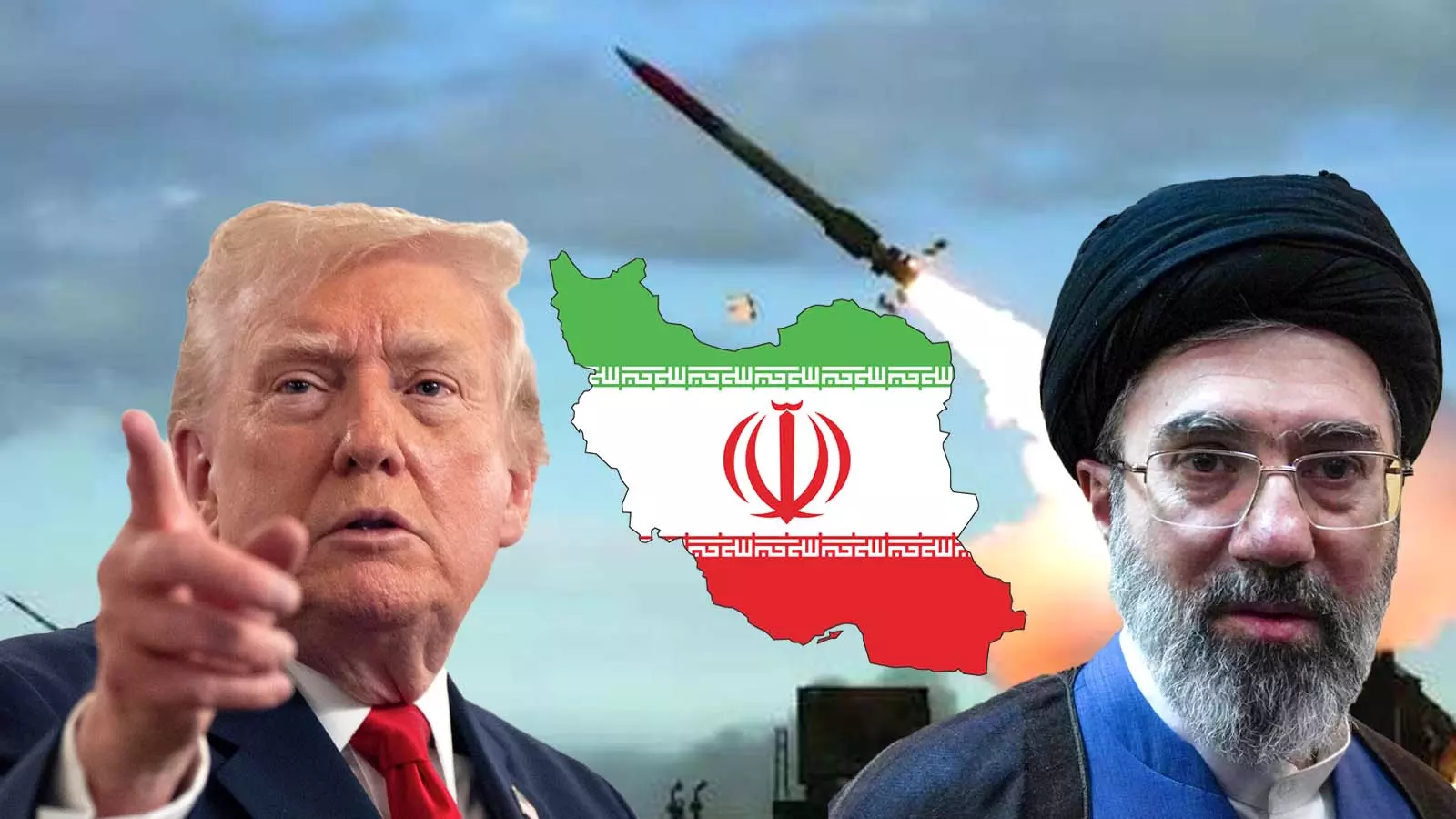
Tensions between the United States and Iran have intensified following a new exchange of military strikes that has heightened security concerns across the Gulf and renewed fears of wider regional instability.
According to the United States military, American forces carried out a new wave of precision air strikes targeting Iranian military infrastructure after Washington accused Tehran of attacking commercial vessels transiting the Strait of Hormuz. US Central Command (CENTCOM) said the operation targeted missile sites, air defence systems, coastal radar installations, drone capabilities and other military assets linked to Iran’s ability to threaten international shipping.
Iran responded by launching missile and drone attacks against locations associated with US military forces in several Gulf countries, according to international media reports. The latest exchanges have marked one of the most serious escalations between the two countries in recent months.
The fighting has once again placed the Strait of Hormuz at the centre of global attention.
The narrow waterway, located between Iran and Oman, is one of the world’s most strategically important maritime corridors, carrying roughly one-fifth of global oil shipments. Any disruption to shipping through the strait has the potential to affect international energy markets and global supply chains.
Iran’s Islamic Revolutionary Guard Corps (IRGC) announced that it considered the Strait of Hormuz closed following the latest hostilities. However, the United States rejected that claim, saying commercial shipping continued to transit the waterway under the protection of US and allied naval forces. Independent reporting indicates that maritime traffic has continued despite heightened military risks.
Also Read, Trump-Iran Crisis Deepens After Assassination Warning
The renewed confrontation has prompted Gulf states to strengthen security around military installations, ports and energy infrastructure while governments closely monitor developments.
Several countries hosting US military personnel, including Bahrain, Qatar, Kuwait and Jordan, have heightened security precautions amid concerns that further attacks could widen the conflict.
The crisis has also attracted international diplomatic attention.
Governments and international organisations have called on both Washington and Tehran to exercise restraint and return to dialogue, warning that a prolonged military confrontation could threaten regional stability and disrupt global energy supplies.
Financial markets have reacted cautiously to the latest developments. Oil prices initially rose amid concerns over possible supply disruptions, although analysts note that markets continue to watch whether military operations will significantly affect commercial shipping through the Gulf.
Despite the renewed violence, neither the United States nor Iran has declared a formal state of war. However, analysts say the latest military exchanges represent one of the most serious setbacks to recent diplomatic efforts and increase the risk of further retaliation if tensions are not contained.
With military forces remaining on high alert across the Gulf and diplomatic efforts continuing behind the scenes, the international community is closely watching whether the crisis will move towards renewed negotiations or a broader regional confrontation.