Joseph Isangura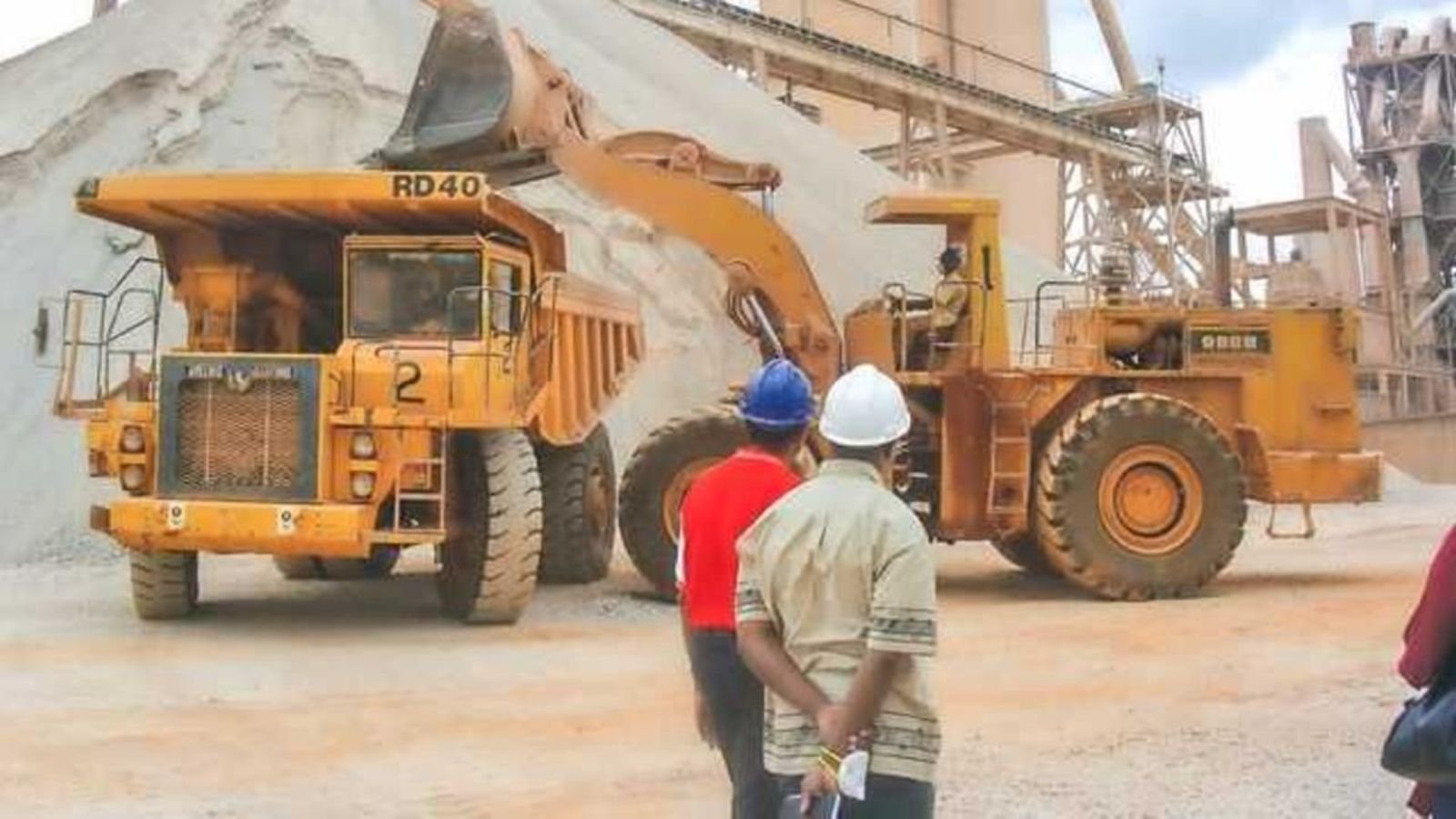
Tanzanians are expected to pay significantly more for cement after the country’s leading manufacturers announced fresh price increases, a development likely to raise construction costs despite Tanzania producing substantially more cement than it consumes each year.
The latest adjustments, ranging from Sh500 to Sh650 per 50-kilogram bag before Value Added Tax (VAT), are expected to push retail prices beyond Sh18,000 in some parts of the country, increasing the cost of building homes, commercial properties and public infrastructure.
Major producers, including Dangote Cement Tanzania, Moshi Cement, Tanga Cement, Lake Cement and Maweni Limestone, have confirmed the new pricing structure, while some manufacturers announced increases based on bulk tonne sales.
Manufacturers attribute the adjustments to rising production costs, higher transport charges, increasing electricity and fuel expenses, more expensive raw materials and changes to the country’s tax regime.
The increases also coincide with the implementation of the 2026/27 national budget, under which the government raised specific excise duty rates by eight percent as part of broader efforts to increase domestic revenue while maintaining a predictable taxation framework for manufacturers.
The development has renewed debate over why cement prices continue to rise despite Tanzania’s rapidly expanding production capacity.
According to government figures, Tanzania now has the capacity to produce approximately 13.6 million tonnes of cement annually, compared with domestic demand of about 8.5 million tonnes, leaving a surplus of more than five million tonnes available for export to neighbouring countries.
Under normal market conditions, economists say higher production and increased competition would be expected to reduce prices. However, they note that production capacity alone does not determine the retail price paid by consumers.
Instead, manufacturers must absorb increasing costs associated with energy, imported machinery and spare parts, freight, packaging materials, financing, labour and taxation before products reach the market.
Also Read, Tanzania Praises Citizens For Choosing Peace Over Protests
Transport remains one of the industry’s biggest cost drivers. Cement factories often move products hundreds of kilometres by road to reach distributors and construction sites, making diesel prices and logistics expenses a significant component of final retail prices.
Industry analysts say the latest increases could slow private housing construction, particularly for low- and middle-income families already facing higher prices for steel, roofing materials, timber and other building supplies.
Contractors undertaking private developments may also revise project budgets, while property developers could pass additional costs on to buyers through higher prices for residential and commercial buildings.
The impact could extend beyond the construction sector. Cement is a key input for roads, bridges, schools, hospitals, ports and other strategic infrastructure, meaning sustained price increases may place additional pressure on project budgets if procurement costs continue to rise.
Despite the current adjustments, Tanzania remains one of East Africa’s largest cement producers, supported by abundant limestone deposits and substantial investments from both domestic and international manufacturers over the past decade.
The country’s cement industry has attracted billions of shillings in investment, helping reduce reliance on imports while creating thousands of jobs across manufacturing, transport, mining and distribution.
Analysts say future cement prices will depend largely on whether manufacturers can improve production efficiency, reduce logistics costs and benefit from greater use of alternative energy sources. They also note that government policies affecting taxation, energy and transport infrastructure will continue to play an important role in determining production costs.
For consumers, however, the immediate concern is affordability. As construction costs continue to rise, many households, businesses and developers are expected to reassess building budgets, reinforcing concerns that the dream of affordable housing could become increasingly difficult to achieve despite Tanzania’s strong manufacturing capacity.