MWE Correspondent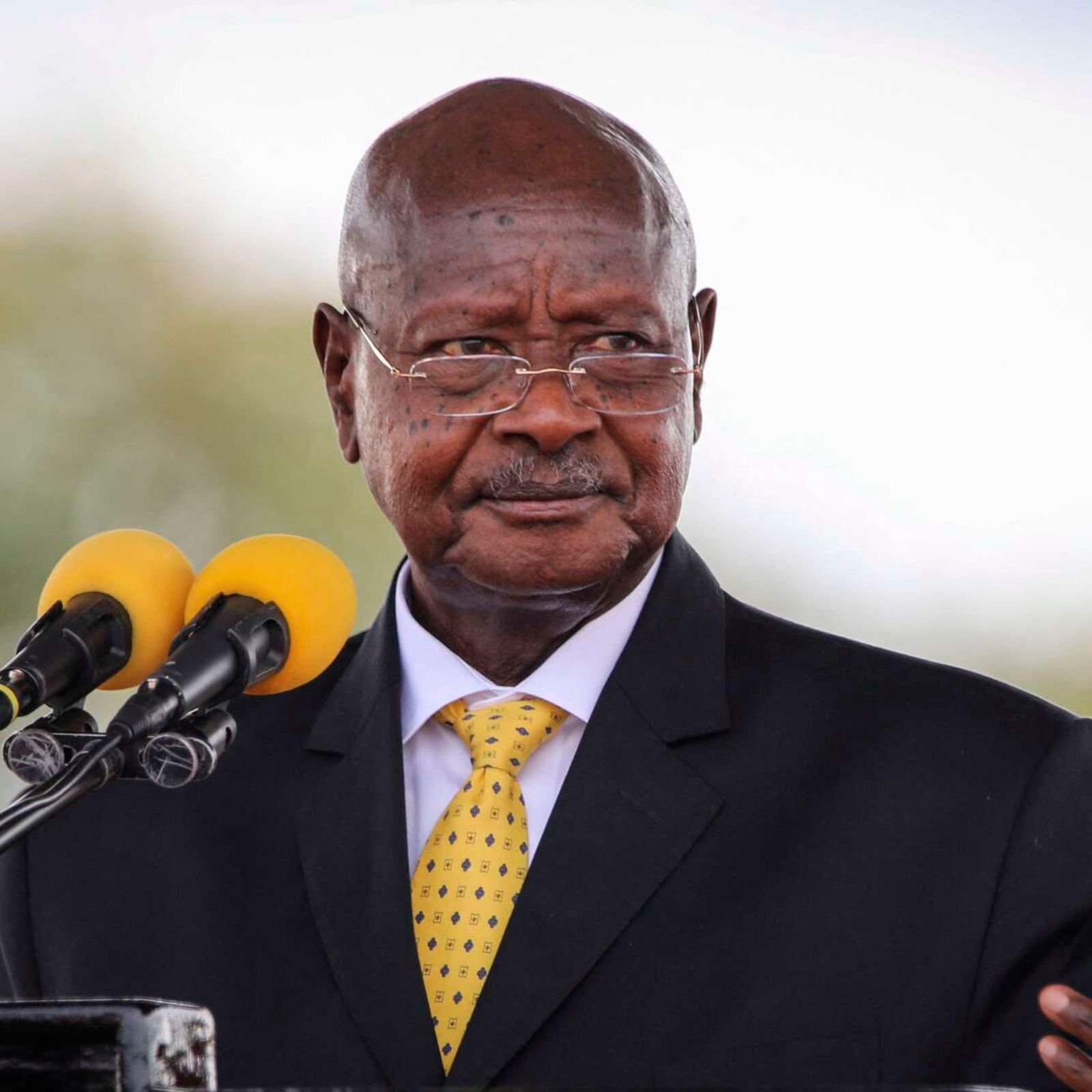
Ugandan President Yoweri Museveni has urged coffin manufacturers to consider shifting into furniture production, arguing that the country’s progress in combating major infectious diseases has reduced mortality and, consequently, demand for coffins.
Speaking at a public event, Museveni said improved public health outcomes had saved thousands of lives and jokingly suggested that coffin makers might one day accuse him of harming their business.
“Very soon, I will be charged for damaging the business of the coffin makers by reducing the death of Ugandans from AIDS, Corona, Ebola and measles,” the President said.
He continued by imagining what coffin makers might tell him:
“You have stopped people from dying from AIDS. You have stopped people from dying from Ebola. You are damaging our business.”
Museveni argued that declining mortality should be viewed as a national achievement rather than a commercial loss, saying businesses should adapt to changing economic realities.
Instead of relying on coffin production, he encouraged manufacturers to diversify into making household furniture such as chairs and beds, products he said would serve a healthier and growing population.
Also Read, Critical Minerals Redefine Global Strategic Competition
“The coffin makers will lose business because it was a bad business that was at the expense of society. Instead, they should make chairs and beds for Ugandans that did not die,” he said.
The President’s remarks highlighted Uganda’s efforts over the years to strengthen disease prevention and public health systems, including campaigns against HIV/AIDS, **COVID-19>, Ebola and Measles.
Uganda has been widely recognised for its responses to several disease outbreaks, particularly its surveillance and containment measures against Ebola, while continuing to expand immunisation and public health programmes.
Museveni’s comments, delivered in a light-hearted tone, underscored a broader message that improvements in healthcare should ultimately create opportunities for industries that support life and development rather than those dependent on higher mortality.
The remarks have since attracted attention both within Uganda and across the region, with many viewing them as an unconventional reflection on the economic impact of successful public health policies.