MWE Correspondent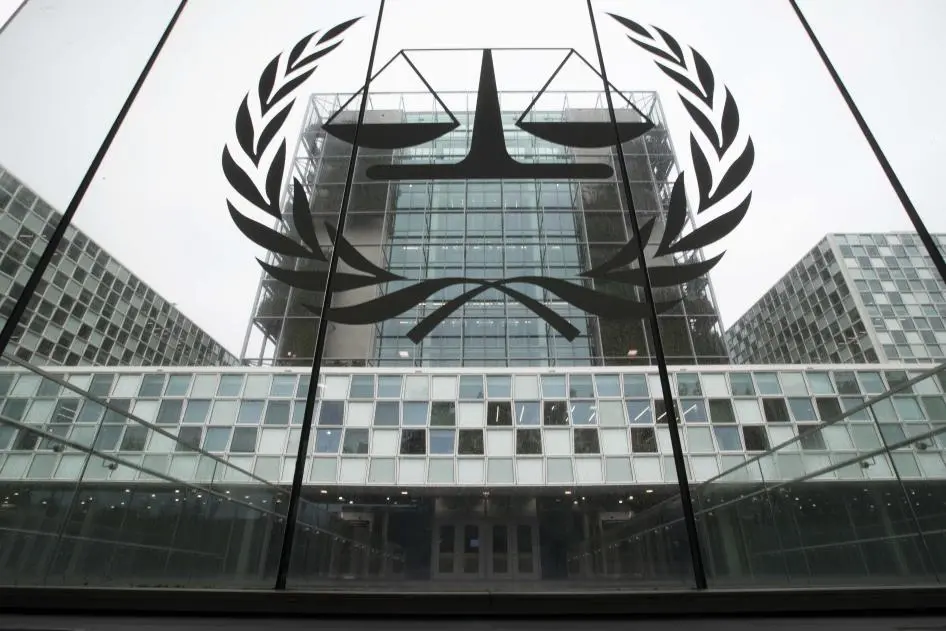
The pursuit of international justice has always depended on more than legal statutes. It relies on confidence that institutions act independently, apply the law consistently and maintain credibility even when confronted by political pressure.
Today, that confidence is being tested.
The International Criminal Court is facing one of the most closely watched periods in its history. Recent developments involving its leadership, alongside growing geopolitical divisions over the Court’s role, have intensified international debate about accountability, institutional independence and the future of global justice. Karim Khan has temporarily stepped aside while an investigation into allegations of misconduct proceeds; he has denied the allegations. Meanwhile, the Court continues to manage ongoing investigations and judicial proceedings. These events have drawn renewed attention from governments, legal experts and civil society around the world.
The discussion extends well beyond one individual or one institution.
It raises a fundamental question about whether international justice systems can preserve legitimacy in an era marked by strategic competition among major powers and increasingly complex diplomatic relationships.
Since its establishment under the Rome Statute, the ICC has sought to prosecute individuals accused of genocide, crimes against humanity, war crimes and the crime of aggression where national courts are unable or unwilling to do so.
Supporters argue that the Court remains indispensable for victims seeking accountability when domestic legal systems fail.
Critics, however, continue to question whether international justice has been applied with equal consistency across different regions and political contexts.
Those concerns have been particularly significant in parts of Africa, where political leaders, legal scholars and regional organizations have, over many years, called for reforms that strengthen representation, transparency and confidence in international judicial institutions.
This conversation has elevated Legal Sovereignty as a central issue.
Many countries are investing in stronger domestic judicial systems capable of investigating complex crimes independently. Building national legal capacity is increasingly viewed not as an alternative to international cooperation, but as an essential complement to it.
Also Read. South Africa Braces For Anti-Immigration Protests
A stronger domestic judiciary can reinforce public confidence while reducing dependence on external mechanisms.
The ICC’s current challenges are also unfolding against the backdrop of wider geopolitical changes.
International institutions created in previous decades are operating within a more multipolar world where emerging economies seek greater participation in shaping global governance.
This evolution has increased the importance of Global Diplomacy.
Legal proceedings involving political leaders or military officials often influence diplomatic negotiations, peace initiatives and international partnerships. Governments must balance commitments to international law with national security interests and foreign policy priorities.
These competing considerations make the work of international courts increasingly complex.
Institutional credibility has therefore become one of the Court’s greatest assets.
Without public confidence, even legally sound decisions may struggle to achieve broad legitimacy.
This has strengthened discussion around Institutional Reform.
Legal experts have proposed measures including greater administrative transparency, stronger internal oversight and broader geographical representation within international institutions. Supporters argue that reforms could help reinforce confidence while preserving judicial independence.
The debate arrives at a pivotal moment.
Armed conflicts continue in several regions, humanitarian crises persist and demands for accountability remain high. At the same time, international cooperation has become more difficult as geopolitical competition shapes many aspects of global governance.
For the ICC, maintaining impartiality while navigating this environment represents a significant institutional challenge.
For the wider international community, the issue extends beyond one court.
It concerns whether global justice mechanisms can adapt to a changing international order without compromising the principles upon which they were founded.
The future of international justice will likely depend not only on legal judgments.
It will depend on transparency, independence and the ability of institutions to earn and maintain the trust of the nations and people they serve.
In the years ahead, the credibility of global justice may prove to be as important as justice itself.