Joseph Isangura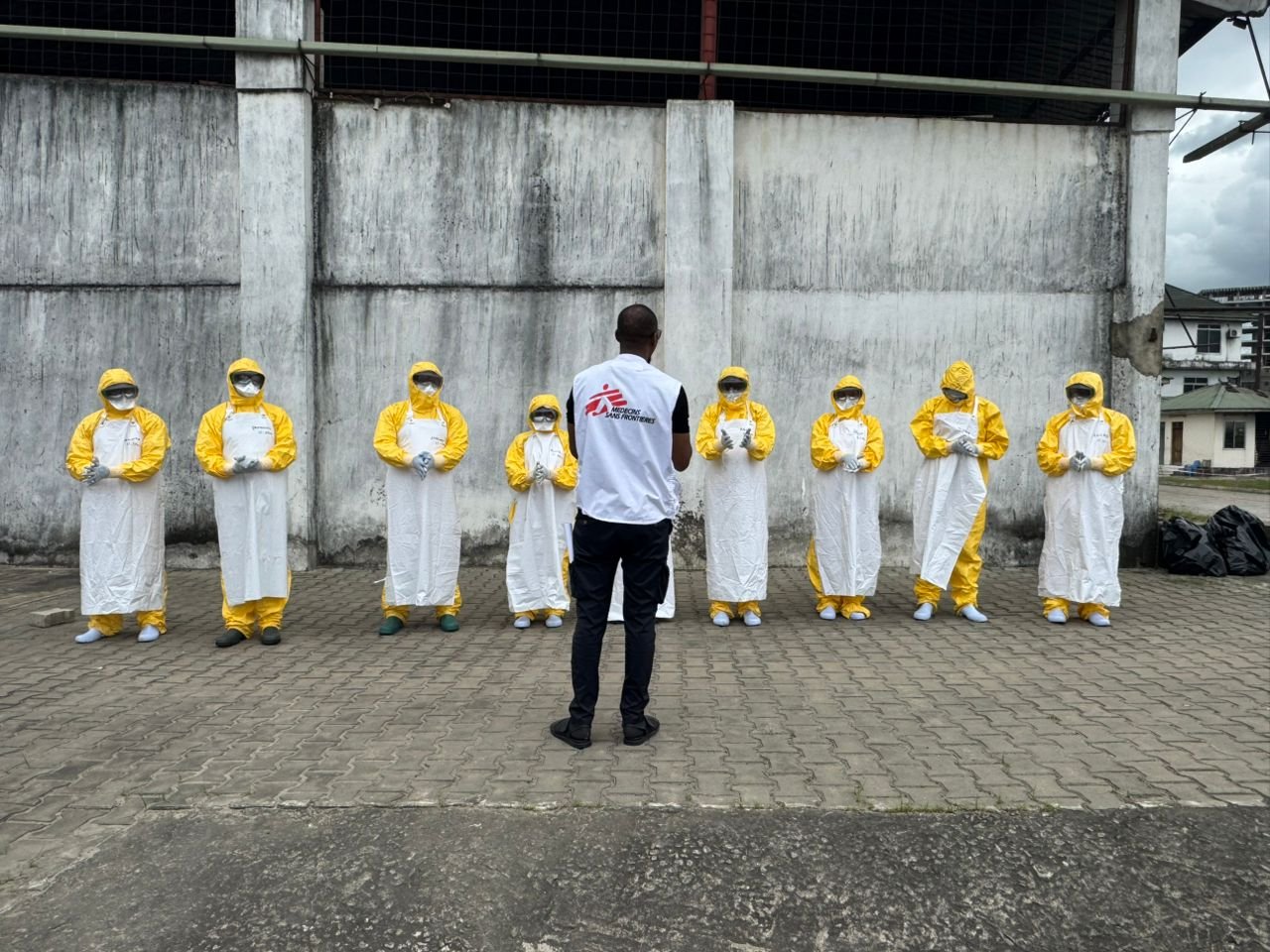
Tanzania has stepped up its preparedness against the threat of Ebola by training more than 100 frontline healthcare workers in Dar es Salaam, as health authorities strengthen the country’s capacity to detect and respond rapidly to any potential outbreak in the region.
The Ministry of Health, in partnership with the international humanitarian medical organisation Médecins Sans Frontières (MSF), has conducted specialised preparedness training for 104 healthcare workers and nurses from health facilities across Dar es Salaam.
The programme comes as several countries in East and Central Africa remain on heightened alert following Ebola outbreaks in neighbouring parts of the region, underscoring the importance of early detection and rapid response.
Speaking during the training, MSF trainer Loveness Isojic said the programme is designed to equip healthcare workers with the knowledge and practical skills needed to safely manage suspected Ebola cases while protecting themselves, fellow health workers and patients from infection.
“Healthcare workers are always the first point of contact for patients regardless of their illness. It is therefore essential that they are fully equipped with the knowledge and skills to protect themselves while providing lifesaving care,” she said.
The training covered infection prevention and control, the correct use of personal protective equipment (PPE), safe patient management, waste disposal procedures and emergency response protocols in the event of an Ebola outbreak.
Owen Mundigile, a Laboratory Technologist from the Ministry of Health’s National Public Health Laboratory, described the training as timely, noting that neighbouring countries have already reported Ebola cases.
He said laboratory personnel play a critical role in safely collecting, packaging and transporting suspected Ebola samples for testing, stressing that strict biosafety procedures are essential to preventing further transmission.
“Infectious diseases do not recognise national borders. Preparing health workers before an outbreak occurs is one of the most effective ways to prevent the spread of infection,” Mundigile said.
He added that the refresher training also reinforces internationally recognised procedures for handling infectious medical waste generated in specialised treatment centres, reducing the risk of secondary transmission within healthcare facilities.
Dar es Salaam Regional Health Officer Richard Shabani said although no Ebola cases have been confirmed in the city, authorities cannot afford to become complacent due to the constant movement of people across national borders.
“Dar es Salaam is a major commercial and transport hub. Every day people enter and leave the city by road, air and sea. Some also cross through unofficial border routes, making preparedness essential even when there are no confirmed local cases,” he said.
Also Read, Israel Rejects Withdrawal Until Hezbollah Disarms
Regional Medical Officer Dr Mohammed Mang’uno said the collaboration between the Ministry of Health and MSF is intended to ensure the region remains ready to respond effectively should the disease be detected.
He noted that Dar es Salaam’s role as Tanzania’s commercial capital and busiest international gateway places it at greater risk of imported infectious diseases, making continuous training for frontline health workers a public health priority.
The initiative forms part of Tanzania’s broader strategy to strengthen epidemic preparedness through surveillance, rapid response systems and continuous professional training.
Health officials say maintaining a well-trained workforce is one of the country’s strongest defences against Ebola and other highly infectious diseases, helping ensure that any suspected case can be identified, isolated and managed quickly before widespread community transmission occurs.