MWE Correspondent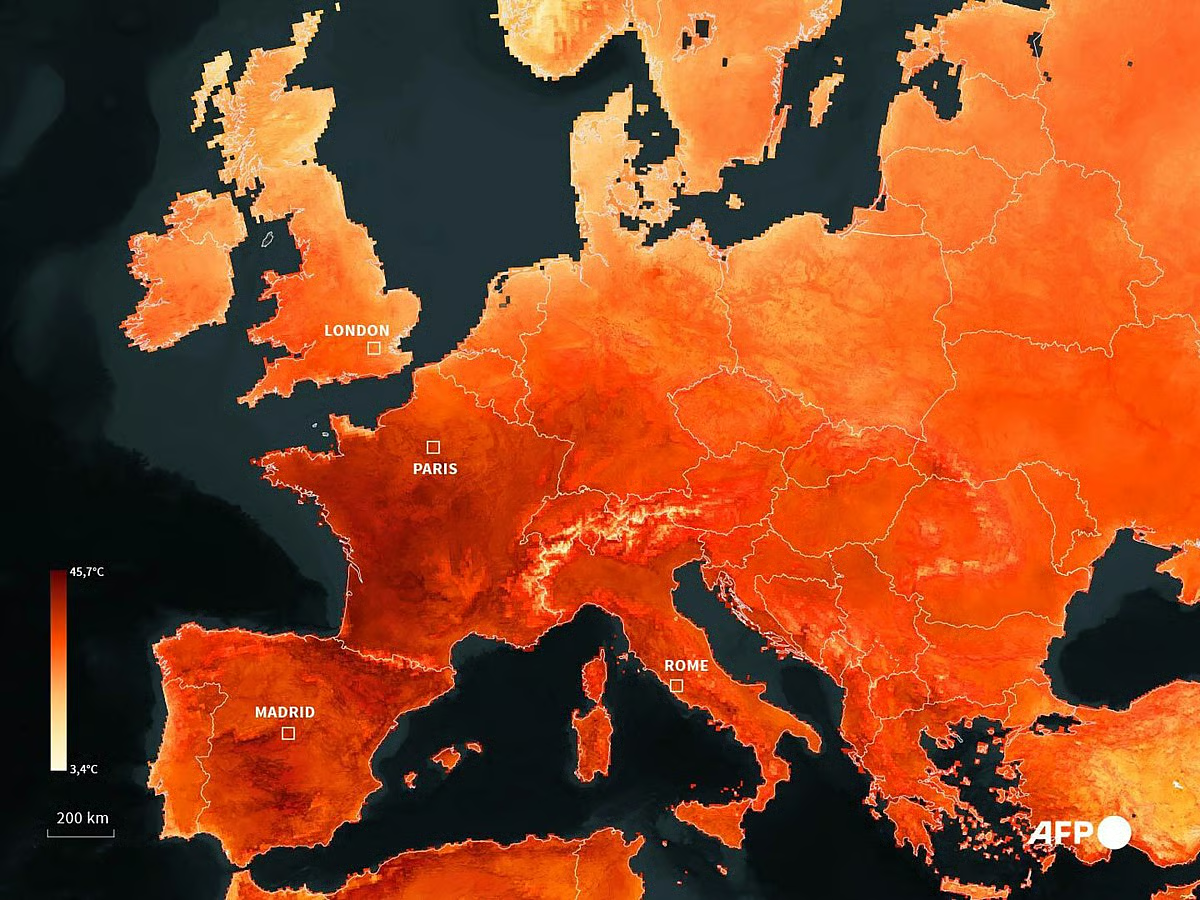
Europe is facing one of its most dangerous heat emergencies in recent years, with the World Health Organization warning that an unprecedented heatwave may have contributed to more than 1,300 additional deaths since June 21 as record-breaking temperatures continue to sweep across the continent.
WHO Director-General Tedros Adhanom Ghebreyesus described extreme heat as a “silent killer”, warning that many deaths linked to rising temperatures occur without immediate public attention because the impact often develops through health complications rather than visible disasters.
The warning comes as several European countries experience historic temperature levels, with heat records being broken in nations including Germany, Poland and the Czech Republic, while the extreme weather system continues moving eastward across the continent.
“Millions of people across Europe are currently living under extreme heat, hundreds have died, schools have closed and electricity systems are under severe pressure,” Tedros said.
Health authorities say the most vulnerable groups remain older people, individuals with existing health conditions, outdoor workers and communities living in buildings that were not designed to withstand prolonged periods of extreme heat.
The French Ministry of Health has reported approximately 1,000 excess deaths beyond expected levels since Wednesday, with a large proportion of those affected being people aged 65 and above.
Experts warn that the true impact of heatwaves is often difficult to measure immediately because many heat-related deaths occur days or even weeks after exposure, particularly among vulnerable populations.
Unlike storms, floods or earthquakes, extreme heat often develops gradually, making it less visible despite its potentially devastating consequences.
Also Read, Israel Rejects Withdrawal Until Hezbollah Disarms
Tedros said many homes, workplaces and schools across Europe were not built for the temperatures now being experienced, leaving millions exposed as climate patterns continue to change.
The WHO has repeatedly warned that Europe is warming faster than any other continent, with temperatures rising at approximately twice the global average rate.
The current crisis has placed additional pressure on public infrastructure. Electricity networks are facing increased demand as households and businesses rely more heavily on cooling systems, while authorities in several countries have introduced emergency measures to protect citizens.
The heatwave has also affected daily life, with schools suspended in some areas, outdoor activities restricted and health services placed on heightened alert.
Climate scientists say the frequency and intensity of extreme heat events are increasing due to human-driven climate change, with Europe becoming a major hotspot for rising temperatures.
Beyond the immediate health emergency, the heatwave has renewed political debate about whether governments and cities are sufficiently prepared for a future where extreme weather events become more frequent.
Public health officials are urging residents to take precautions, including staying hydrated, avoiding prolonged exposure to extreme heat and checking on elderly relatives and vulnerable neighbours.
For Europe, the latest heatwave represents more than a temporary weather event. It is becoming a major test of how governments, healthcare systems and communities adapt to a rapidly changing climate.
As temperatures remain high across parts of the continent, officials warn that the human cost could continue to rise unless emergency measures and long-term climate adaptation strategies are strengthened.