MWE Correspondent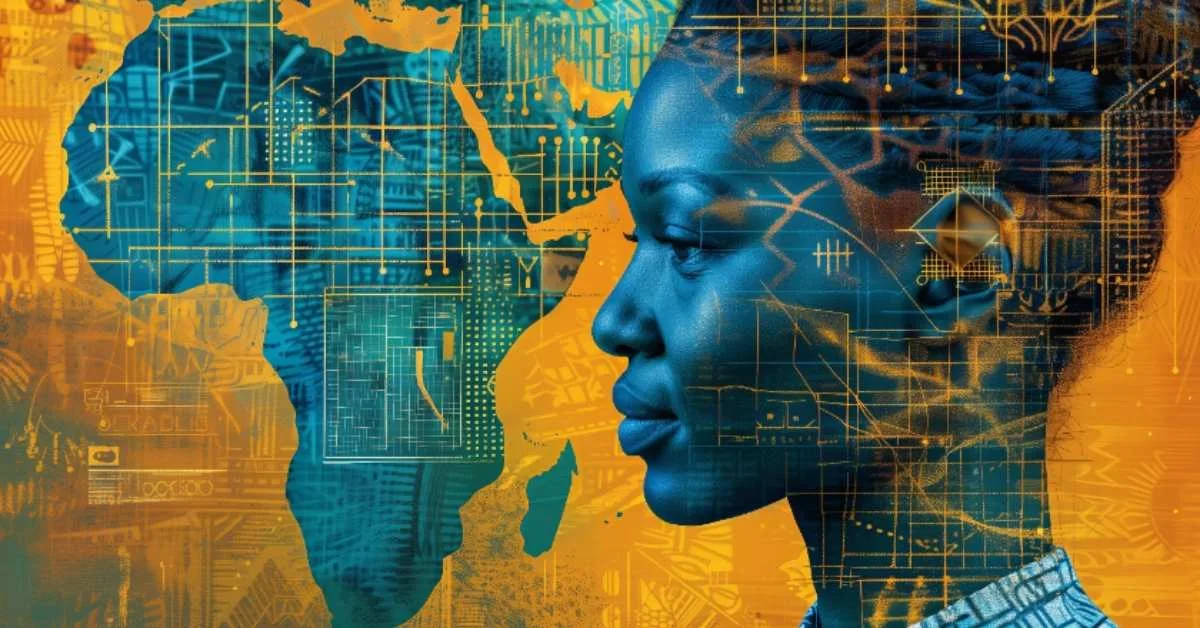
On the shores of Mozambique, beneath the waters of the Atlantic Ocean, vast energy resources have attracted international attention.
In North Africa, solar projects covering enormous desert landscapes are becoming symbols of a possible renewable energy transformation. In East and West Africa, governments are searching for ways to expand electricity access while attracting investment for future industries.
Across the continent, energy is no longer simply an economic issue.
It is becoming a question of strategic power.
As the world moves through a major energy transition, Africa has found itself at the center of a new global competition. Traditional energy resources such as natural gas and oil remain important, while renewable energy opportunities are creating new possibilities for countries seeking a stronger role in the global economy.
The central question is whether Africa will become a supplier of energy for others or build an energy system that transforms its own development.
For decades, millions of Africans have faced challenges linked to limited access to reliable electricity. Energy shortages have affected businesses, industries, education and healthcare systems. Yet at the same time, the continent possesses enormous energy potential.
Africa has some of the world’s largest reserves of natural gas, significant solar capacity and important resources needed for renewable technologies.
This combination gives the continent a unique position in the future global energy landscape.
The transition toward cleaner energy has increased demand for technologies requiring strategic minerals such as lithium, cobalt, copper and rare earth elements. These resources are essential for batteries, electric vehicles and renewable energy infrastructure.
However, energy security is not only about possessing resources.
It is about the ability to develop industries around them.
This is where Resource Sovereignty becomes a central issue.
African countries are increasingly seeking to ensure that their natural wealth creates domestic value through processing, manufacturing and industrial development. Exporting raw materials alone provides limited benefits compared with building complete supply chains within the continent.
Also Read. Israel Rejects Withdrawal Until Hezbollah Disarms
The future energy economy will reward countries that can transform resources into industries, jobs and technological capacity.
The financial challenge is equally significant.
Building modern energy systems requires billions of dollars in investment. Power plants, transmission networks, renewable projects and industrial infrastructure all require long-term financing.
This has increased discussions around Financial Sovereignty, as African governments seek investment models that support development while protecting national economic interests.
Many countries are exploring diverse partnerships, including cooperation with emerging economies, international institutions and private investors. The goal is to attract capital while ensuring that agreements contribute to national priorities.
The global competition surrounding Africa’s energy sector is also reshaping international relationships.
China has become a major investor in infrastructure and renewable energy projects across Africa. Western countries are increasing cooperation in clean energy, climate financing and energy security. Russia continues to strengthen energy cooperation with several African nations, including partnerships involving nuclear energy, natural resources and technical expertise.
For African governments, this changing environment provides a strategic opportunity.
Rather than depending on a single external partner, many nations are seeking diversified relationships that allow them to negotiate from a stronger position.
This transformation is also influencing Global Diplomacy.
Energy has always been connected to international power. Countries that control reliable energy supplies often gain greater influence in global affairs. As the world moves toward new energy systems, Africa’s role in international diplomacy is becoming increasingly important.
The continent’s energy decisions will affect global markets, climate goals and industrial development.
However, challenges remain.
Many African countries still require stronger infrastructure, better regulatory systems and greater technical expertise. Without these improvements, energy wealth may fail to translate into broad economic transformation.
There is also a growing debate about ensuring that communities living near energy projects receive meaningful benefits. Local employment, environmental protection and social development are becoming increasingly important parts of energy discussions.
Africa’s energy future will ultimately depend on choices made today.
The continent has the opportunity to provide energy for global markets while also powering its own industrial growth. It can move beyond being a source of resources and become a centre of innovation, manufacturing and economic expansion.
The coming decades may determine whether Africa’s energy story becomes another chapter of resource extraction or the beginning of a new era of African industrial power.
The world is entering a new energy age.
And Africa is positioned at the centre of it.