MWE Correspondent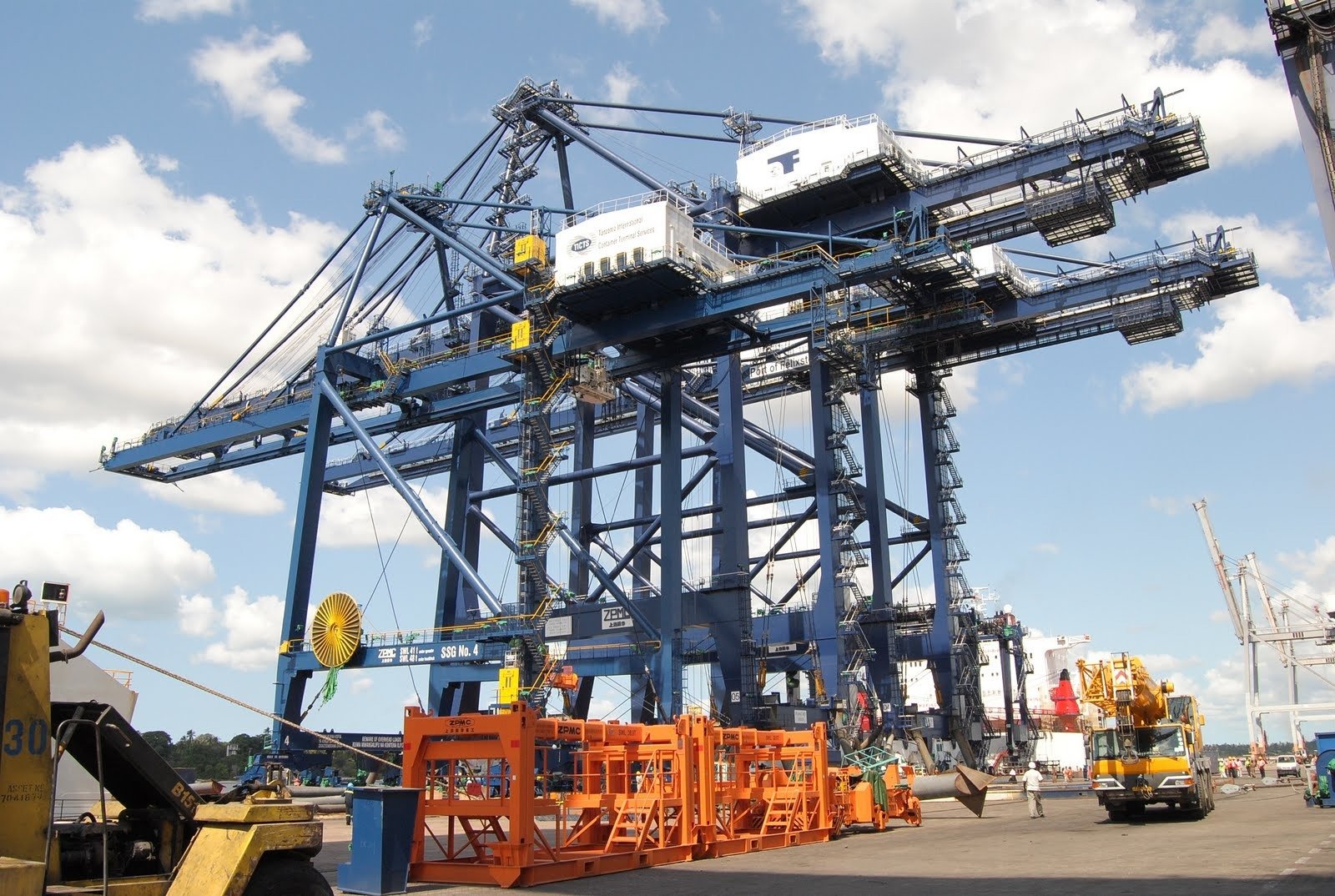
Along the coastlines of Africa, where ships carrying goods, energy resources and minerals arrive and depart every day, a new global competition is quietly unfolding.
From the ports of East Africa to the Atlantic coastline, maritime infrastructure has become more than a transportation system — it has become a strategic asset shaping trade, security and geopolitical influence.
For many years, Africa’s natural resources attracted international attention because of what existed beneath its soil. Today, another dimension of economic power is gaining importance: control over the routes that connect African resources to the rest of the world.
The future of global trade may increasingly depend on who builds, manages and connects Africa’s ports.
The continent sits at the crossroads of some of the world’s most important maritime routes. Its coastline stretches across major shipping corridors linking Asia, Europe, the Middle East and the Americas. As global supply chains become more competitive, African ports are becoming central to discussions about economic development and strategic influence.
This transformation represents a major shift in Africa’s economic position.
Historically, many African economies exported raw materials through infrastructure designed primarily around extraction rather than industrial growth. Railways, roads and ports were often developed to move resources from production areas to international markets.
Today, many African countries are seeking a different approach — one where infrastructure becomes a foundation for manufacturing, regional trade and economic independence.
This vision is closely connected to Economic Sovereignty.
A country’s ability to control trade routes, logistics networks and industrial infrastructure directly affects its ability to determine its economic future. Without efficient transport systems, even resource-rich nations may struggle to compete globally.
Across the continent, governments are investing in port expansion, railway connections and trade corridors designed to strengthen regional integration. The goal is to reduce dependence on external routes and create stronger links between African markets.
Also Read, Israel Rejects Withdrawal Until Hezbollah Disarms
The development of ports also reflects the growing importance of Resource Sovereignty.
Africa’s minerals, including copper, lithium, cobalt and rare earth elements, are becoming increasingly important for modern industries. However, resources alone do not guarantee economic power. The ability to transport, process and export goods efficiently is equally important.
Countries that control logistics networks can capture more value from global trade.
This has increased international interest in Africa’s infrastructure sector. China has become a major partner in port development and transportation projects across several African countries. Western nations are also expanding cooperation in trade infrastructure, investment and supply chain security. Russia continues to develop economic partnerships with African countries through areas including energy, trade and strategic cooperation.
For African governments, the growing interest creates opportunities but also requires careful decision-making.
Infrastructure partnerships can accelerate development when they include technology transfer, local employment and long-term economic benefits. However, many African policymakers emphasize that agreements must support national development goals rather than create new forms of dependency.
The competition around ports is also becoming an important element of Global Diplomacy.
Maritime infrastructure has always carried strategic importance. Ports influence trade, security cooperation and international partnerships. As global competition increases, African coastal nations are finding themselves with greater diplomatic significance.
The changing maritime landscape is especially important as global powers seek reliable supply chains for energy, minerals and manufactured goods. Africa’s geographic position gives many countries a stronger role in international economic discussions.
However, the success of Africa’s port transformation will depend on more than foreign investment.
Strong governance, transparent agreements, skilled workers and regional cooperation will determine whether infrastructure becomes a source of lasting development.
The African Continental Free Trade Area offers an important opportunity by creating a larger internal market where improved transport networks can support trade among African nations.
A future where African ports connect African industries could fundamentally change the continent’s economic position.
The question facing Africa is not simply who will invest in its ports.
The deeper question is who will benefit from the economic power those ports create.
As global trade enters a new era of competition, Africa’s coastlines may become some of the most important economic frontlines in the world.
The future of global commerce may not only be shaped in financial centres and political capitals.
It may also be shaped at Africa’s ports.