Joseph Isangura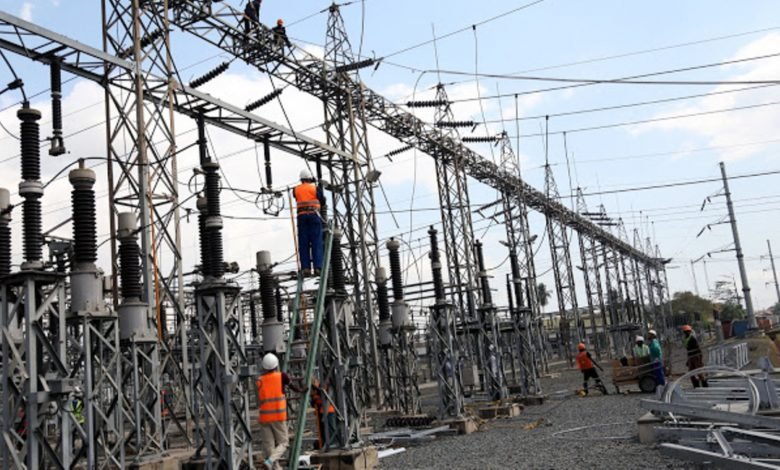
Tanzania was plunged into darkness on Saturday evening after a major technical fault crippled the National Electricity Grid, triggering a nationwide blackout that disrupted homes, businesses, hospitals and public services across much of the country.
The outage, which began at 7:00 p.m. local time, affected every region connected to the national transmission network, making it one of the most extensive electricity disruptions Tanzania has experienced in recent years.
In a statement issued shortly after the incident, the Tanzania Electric Supply Company (Tanesco) confirmed that a technical failure within the National Grid System had interrupted electricity supply nationwide.
“Tanesco informs the public that today, June 27, 2026, at 7:00 pm, a technical fault occurred in the National Electricity Grid System, causing all regions supplied through the National Grid to lose electricity services,” the state utility said.
The sudden loss of power brought economic activity to an abrupt halt in many parts of the country. Businesses were forced to suspend operations, traffic congestion worsened as traffic lights went dark, and restaurants, shopping centres and entertainment venues switched to emergency generators where available.
Hospitals and other critical facilities relied on backup power systems to maintain essential services, while thousands of households were left without lighting, internet connectivity and refrigeration.
Engineers immediately began working to restore electricity supply in phases as emergency response teams assessed the stability of the transmission network.
Although Tanesco assured the public that restoration efforts were progressing, the utility did not immediately disclose the exact cause of the system failure or provide a timeline for full recovery, prompting widespread public concern and speculation.
Also Read. Tanzania Moves To End Annual Elections
Power system experts note that nationwide blackouts are relatively uncommon because modern electricity grids are designed with multiple layers of protection. However, when a major fault occurs within the high-voltage transmission network, it can trigger a cascading failure that disconnects power generation plants and transmission lines simultaneously to protect critical infrastructure from more extensive damage.
Such events can have significant economic consequences, particularly in countries where manufacturing, telecommunications, financial services and digital infrastructure depend heavily on uninterrupted electricity supply.
The incident has also renewed discussion about the resilience of Tanzania’s electricity infrastructure as demand for power continues to grow alongside rapid industrialisation, urban expansion and increased investment in mining, manufacturing and digital services.
In recent years, Tanzania has invested heavily in expanding electricity generation capacity through hydroelectric, natural gas and renewable energy projects while extending transmission lines to improve nationwide access to electricity.
Despite these investments, energy analysts say the latest outage highlights the importance of strengthening grid reliability, modernising transmission infrastructure and improving emergency response systems to minimise the impact of future disruptions.
As technical teams continue working to restore normal operations, businesses and households across Tanzania are assessing the economic impact of the unexpected blackout.
The incident serves as a reminder that reliable electricity remains one of the most critical foundations of economic growth, public safety and national development—and that even brief interruptions can reverberate across an entire economy.