Joseph Isangura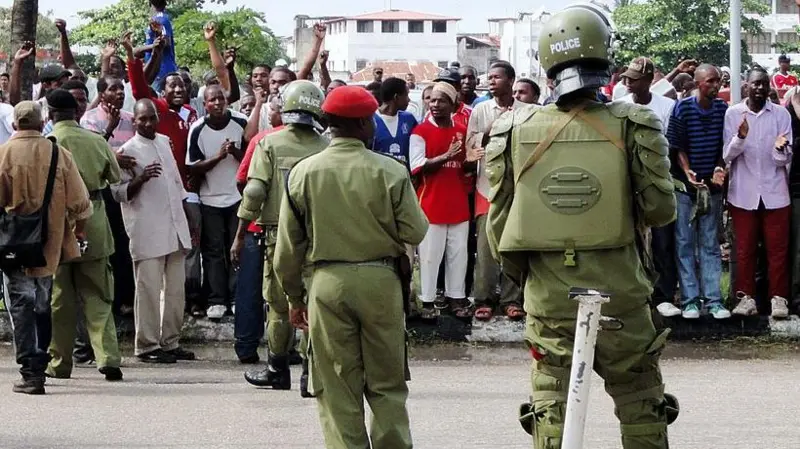
Tanzania has entered a new phase in the debate over the balance between national security and constitutional freedoms after the government temporarily suspended all public political rallies, citing intelligence reports and concerns over planned nationwide demonstrations.
The decision, announced by Minister for Home Affairs Patrobas Katambi, comes as authorities monitor online calls for protests expected on July 7, the closing day of the 50th Dar es Salaam International Trade Fair, commonly known as Sabasaba.
Government officials say the temporary suspension is a preventive security measure designed to safeguard public order and allow security agencies to respond to potential threats without the complications that may arise from large political gatherings.
“We want citizens to continue their economic activities in peace while security agencies identify and deal with criminal elements,” Katambi said, adding that he had instructed the Inspector General of Police not to issue permits for public political meetings until further notice.
The announcement has ignited a wider national debate extending far beyond party politics.
Opposition politicians, legal experts and civil society organisations argue that the directive raises fundamental constitutional questions, particularly regarding freedom of assembly, political participation and freedom of expression.
Supporters of the government’s position contend that protecting national security is the state’s foremost responsibility, especially when intelligence suggests the possibility of unrest or criminal activity linked to planned demonstrations.
Critics counter that constitutional rights cannot be suspended without clear legal authority and that restrictions on political activity must meet strict legal standards of necessity and proportionality.
Also Read. The Minerals Powering The World’s Future
The debate has intensified as social media platforms continue to circulate calls for demonstrations demanding political reforms, including constitutional change and broader governance reforms.
The government insists it is closely monitoring the online mobilisation while maintaining that any attempt to disrupt public order will not be tolerated.
Prime Minister Mwigulu Nchemba recently reaffirmed that position in Parliament, declaring that peace, national unity and security are non-negotiable.
“No one will be allowed to undermine our peace, stability or national unity,” he told lawmakers, warning those encouraging unrest not to use young Tanzanians as instruments of political confrontation.
The suspension of political rallies has now shifted attention toward a critical constitutional question.
Legal analysts say the central issue is no longer simply whether demonstrations should occur, but whether the executive branch possesses the legal authority to impose a nationwide suspension of public political meetings.
That question is expected to dominate public debate in the coming weeks as lawyers, political parties and constitutional experts examine the legal basis of the government’s directive.
The controversy also arrives during a politically significant period as Tanzania continues preparations for future electoral activities, making the management of political freedoms and public security an issue likely to attract close domestic and international attention.
For the government, the directive is presented as a temporary security precaution intended to preserve stability.
For critics, it represents an important constitutional test of how executive authority should be exercised in a democratic state governed by the rule of law.
Whether the measure succeeds in preventing unrest or instead intensifies debate over political freedoms may become one of the defining questions of Tanzania’s current political landscape.