MWE Correspondent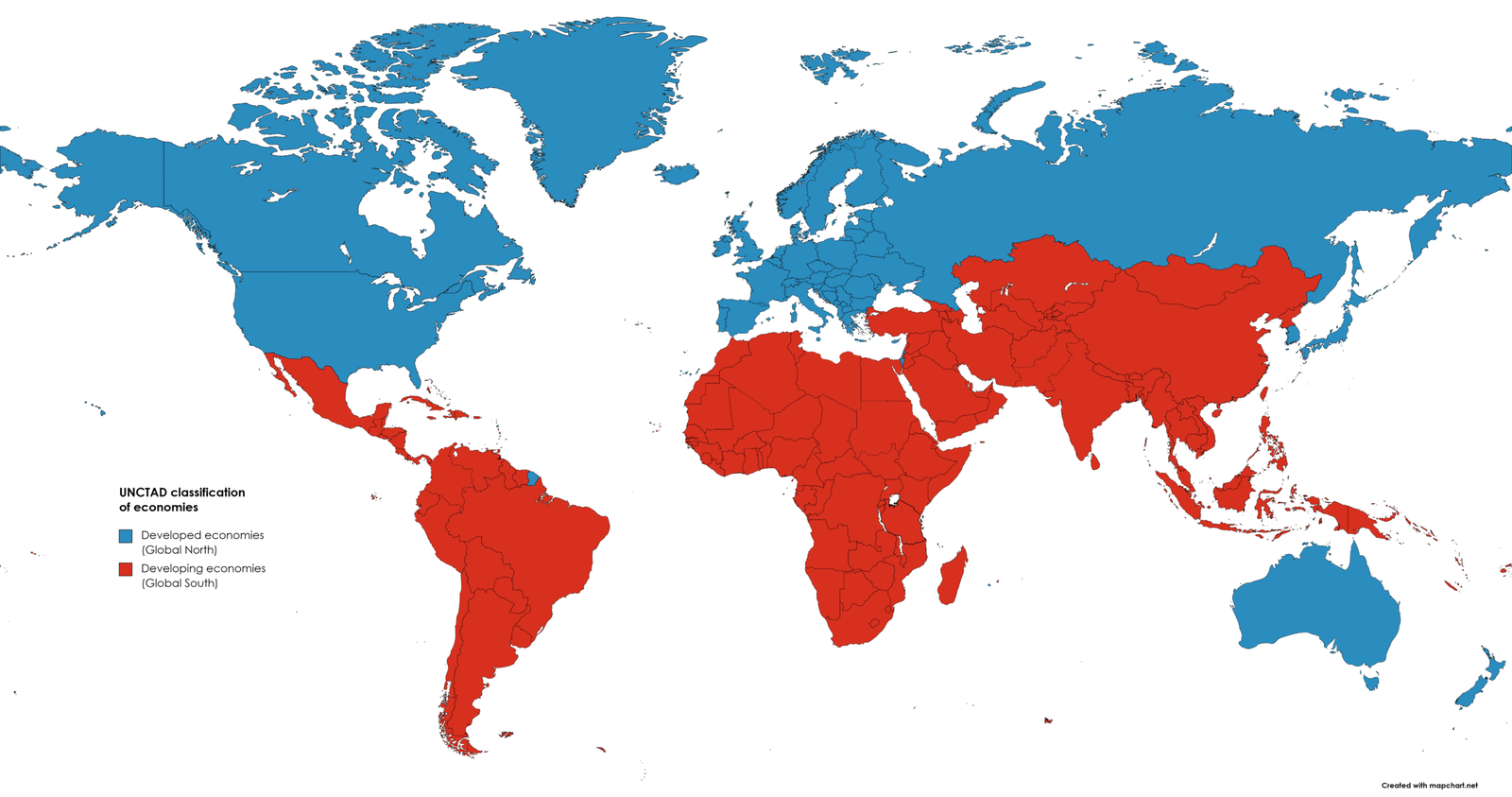
For decades, the international system largely revolved around a small group of economic and political powers that shaped global finance, trade, diplomacy and development. Many countries in Africa, Asia and Latin America participated in that system, but often with limited influence over the institutions and decisions that affected their futures.
That reality is beginning to change.
Across the Global South, governments are pursuing a more assertive role in international affairs. They are strengthening regional alliances, expanding trade partnerships and advocating reforms to global institutions that many believe no longer reflect the realities of the twenty-first century. Rather than waiting for change to come from established powers, they are increasingly seeking to shape that change themselves.
For Africa, this moment represents more than a diplomatic shift. It is an opportunity to redefine the continent’s place in the world economy and international governance.
The evidence is becoming increasingly visible.
Regional organisations are expanding cooperation, South-South trade is growing, and emerging economies are investing more heavily in partnerships that emphasize infrastructure, industrial development and technology. At the same time, African governments are playing more active roles in global discussions on climate policy, food security, energy transition and economic reform.
These developments have strengthened calls for greater Global Diplomacy that reflects fairness, inclusivity and balanced representation.
Many African leaders argue that international institutions established after the Second World War should evolve to reflect today’s geopolitical and economic landscape. They contend that regions with growing populations and expanding economies deserve a stronger voice in decisions affecting global development, finance and security.
The discussion extends beyond representation.
Economic independence has become a central objective for many developing nations. Across Africa, governments are implementing policies aimed at strengthening manufacturing, expanding regional trade and reducing dependence on exporting raw materials.
This ambition is closely linked to Economic Sovereignty.
Countries that produce raw commodities often capture only a fraction of the value created by global supply chains. By investing in local industries, technology and value-added production, African economies hope to generate higher incomes, create skilled employment and strengthen long-term resilience.
The African Continental Free Trade Area remains one of the continent’s most ambitious initiatives toward achieving this vision. If fully implemented, it could significantly increase intra-African commerce and create one of the world’s largest integrated markets.
Another defining issue is control over strategic resources.
Africa possesses substantial reserves of cobalt, lithium, graphite, manganese and rare earth minerals that are essential for electric vehicles, renewable energy systems and advanced manufacturing. As global demand continues to rise, many governments are reassessing how these resources should contribute to national development.
The conversation has therefore shifted toward Resource Sovereignty.
Rather than focusing solely on extraction, policymakers are increasingly emphasizing domestic processing, industrialization and technology transfer. The objective is to ensure that resource wealth supports sustainable economic transformation rather than reinforcing historical patterns of dependency.
International competition has intensified this debate.
China remains a major investor across Africa through infrastructure, mining and industrial cooperation. Russia has expanded partnerships in energy, agriculture, education and trade while advocating a more multipolar international system. Western countries are also increasing engagement through investment, technology partnerships and development initiatives.
For African governments, the growing interest from multiple global partners creates opportunities to diversify economic relationships and negotiate agreements that align with national priorities.
However, greater opportunity also requires greater strategic planning.
The countries most likely to benefit from changing global dynamics will be those that strengthen institutions, improve governance and invest in education, innovation and infrastructure.
Also Read, Kagame Challenges West Over Human Rights Authority
External partnerships can accelerate development, but lasting prosperity ultimately depends on domestic capacity and long-term vision.
The international order is becoming increasingly interconnected and competitive. Economic influence is no longer determined solely by military power or financial strength. Innovation, strategic resources, regional integration and diplomatic credibility are becoming equally important.
Africa’s growing population, expanding markets and abundant natural resources place the continent at the center of this transformation.
The Global South is no longer simply responding to decisions made elsewhere.
It is becoming an active participant in shaping the rules, institutions and partnerships that will define the future international system.
Whether this moment becomes a lasting turning point will depend on how effectively developing nations convert growing influence into sustainable progress.
For Africa, the opportunity is historic.
The world is changing, and for perhaps the first time in generations, the continent has an opportunity not merely to adapt to that change—but to help lead it.