MWE Correspondent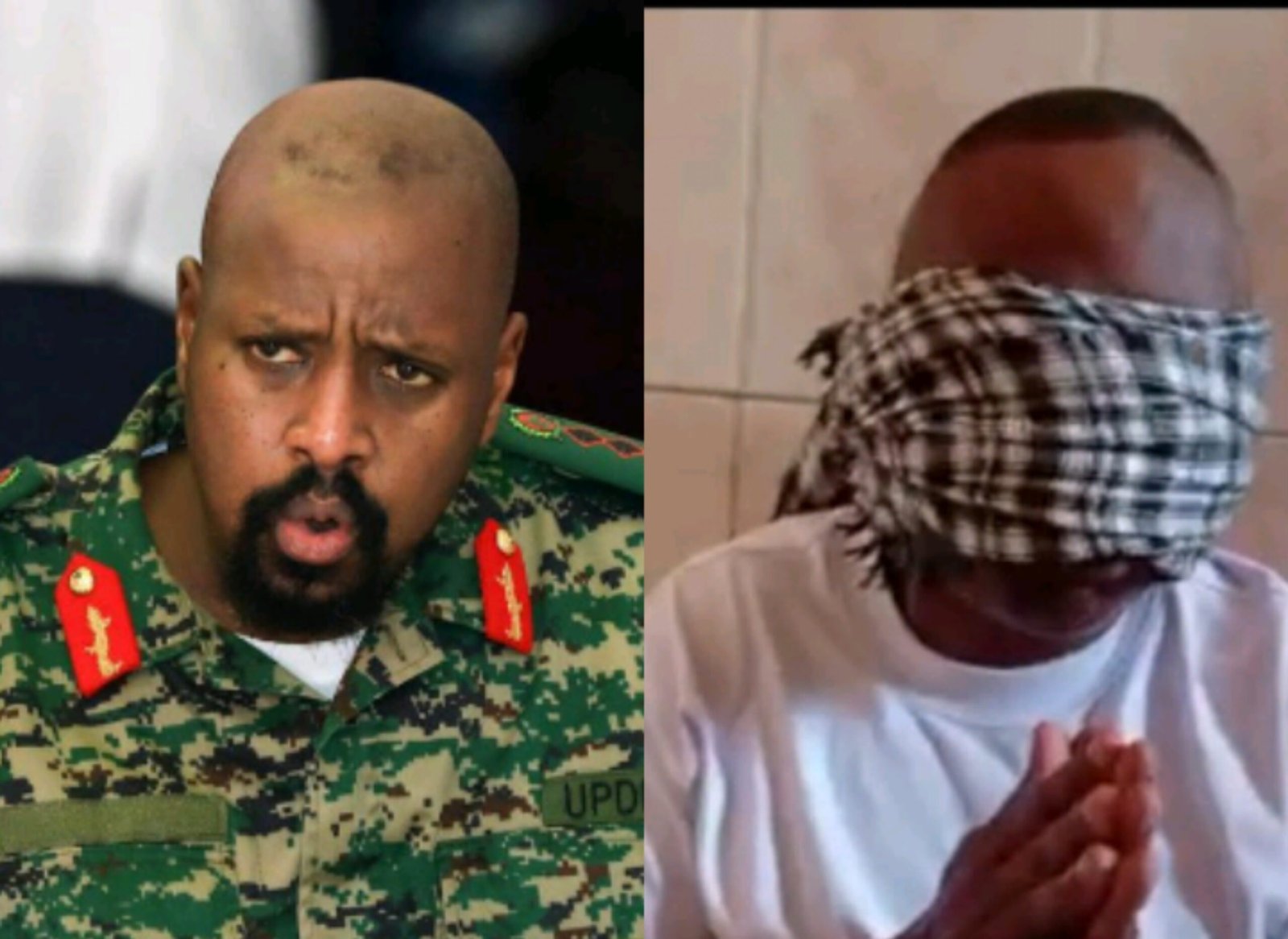
The arrest of prominent Ugandan opposition lawyer and politician Erias Lukwago has reignited debate over political freedoms, civil liberties and the future of democratic governance in Uganda, drawing renewed attention to the country’s increasingly polarized political landscape.
The incident, which unfolded in Kampala amid heightened political tensions, has generated strong reactions from opposition supporters, legal advocates and civil society organizations. While authorities maintain that law enforcement actions were conducted in accordance with the law, critics argue that the arrest reflects a broader pattern of pressure against opposition figures ahead of an increasingly important period in Uganda’s political calendar.
For many Ugandans, the development is about more than one individual.
Lukwago has long been one of the country’s most recognizable opposition voices. Known for his outspoken criticism of government policies and his legal advocacy on constitutional and human rights issues, he has played a significant role in Uganda’s political discourse for more than two decades. His influence extends beyond partisan politics, making his arrest a matter of national and regional interest.
The controversy emerges against the backdrop of Uganda’s evolving political environment, where debates surrounding freedom of expression, political participation and state authority have become increasingly prominent. Over the years, several opposition leaders, activists and journalists have alleged restrictions on political activity, while government officials have consistently argued that security measures are necessary to maintain public order and national stability.
Political analysts note that Uganda occupies a strategically important position in East Africa. As one of the region’s largest economies and a key contributor to regional peacekeeping efforts, developments within Uganda often attract attention from neighbouring countries and international partners.
The arrest has therefore resonated beyond Kampala, prompting discussion among diplomats, legal experts and human rights observers regarding the balance between state authority and democratic freedoms.
Also Read. US, Iran Launch Crucial Swiss Peace Talks
Supporters of Lukwago describe him as a defender of constitutional rights who has repeatedly challenged government decisions through legal and political channels. They argue that democratic societies depend on the ability of opposition figures to operate freely without fear of intimidation or undue interference.
Government supporters, however, contend that no individual should be exempt from the rule of law and that legal processes must be allowed to proceed without political interpretation. They caution against drawing premature conclusions before official investigations and judicial proceedings have been completed.
The episode highlights a broader challenge facing many democracies across Africa and beyond: how to reconcile political competition with social stability. As governments confront security concerns, economic pressures and rapidly changing political dynamics, the relationship between state institutions and opposition movements often becomes a focal point of national debate.
Observers say the handling of the case may prove just as important as the circumstances surrounding the arrest itself. Transparency, adherence to due process and respect for judicial independence will likely influence both domestic and international perceptions of the government’s commitment to democratic principles.
The development also arrives at a time when questions surrounding governance and accountability are receiving increased attention across the continent. Citizens, particularly younger generations, are demanding greater transparency, stronger institutions and expanded political participation.
For Uganda, these debates are likely to continue long after the immediate controversy subsides.
Whether the arrest becomes a temporary political dispute or a defining moment in Uganda’s democratic journey will depend largely on the actions taken by political leaders, legal institutions and civil society in the weeks ahead.
What is already clear is that the incident has reopened a conversation about the nature of democracy, the role of dissent and the limits of state power in one of East Africa’s most influential nations. The outcome may shape not only Uganda’s domestic politics but also wider discussions about governance and political freedoms across the region.