MWE Correspondent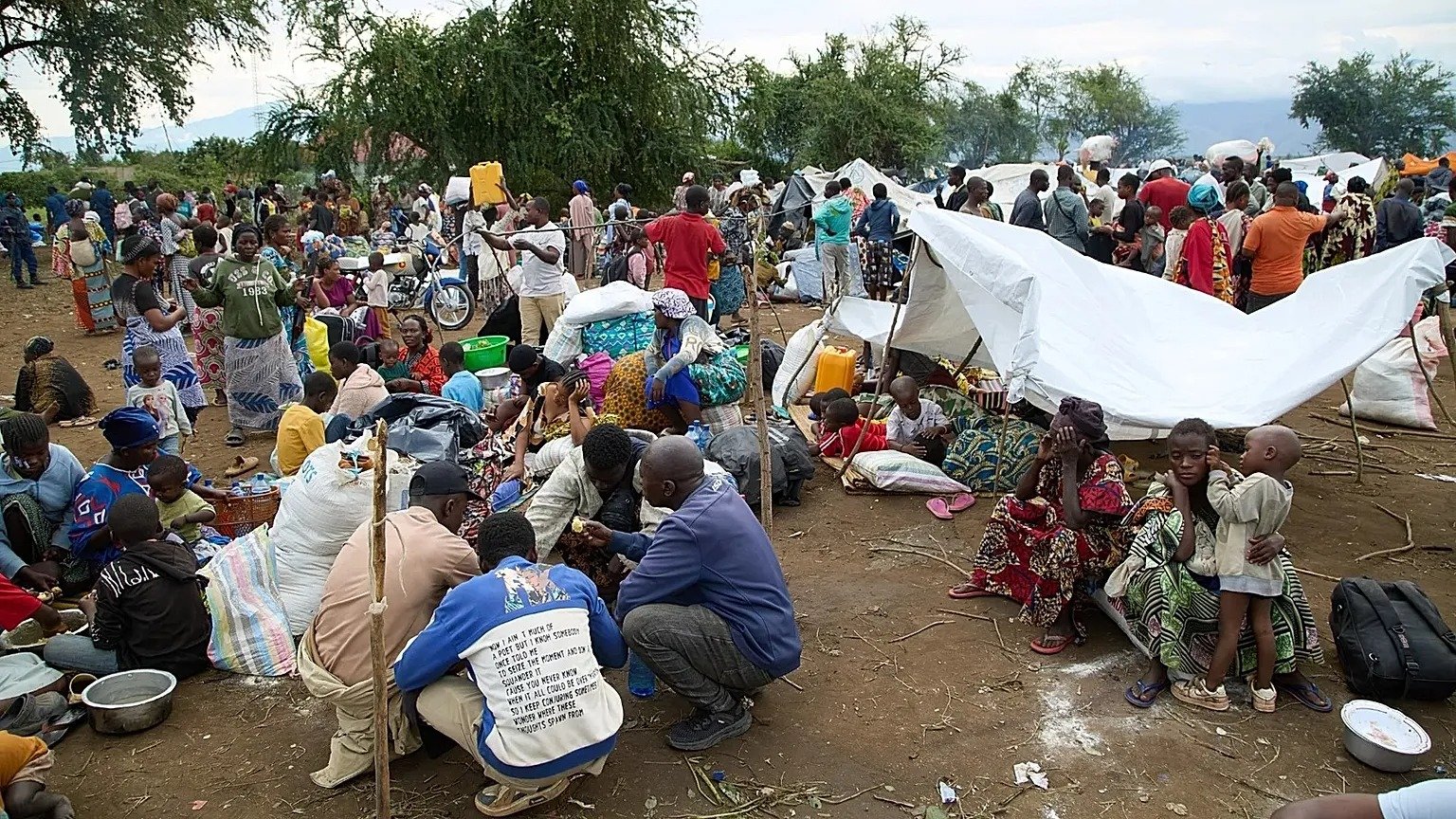
While global attention remains fixed on major geopolitical flashpoints, a new humanitarian assessment has delivered a stark warning: some of the world’s largest and most devastating refugee crises are unfolding largely outside the international spotlight.
The Norwegian Refugee Council (NRC) has identified Sudan, the Democratic Republic of the Congo (DRC), and Colombia among the most neglected displacement crises on the planet, warning that millions of vulnerable people are paying the price for international indifference, shrinking aid budgets, and fading media attention.
At the center of the report is Sudan, where a brutal conflict has triggered what many humanitarian organizations now describe as one of the world’s worst humanitarian disasters. According to aid agencies, the violence has forced more than nine million people from their homes, creating one of the largest displacement emergencies in modern history. Entire communities have been uprooted as families flee fighting, insecurity, and collapsing public services.
Beyond displacement, hunger is rapidly becoming another deadly front in the crisis. Humanitarian organizations warn that millions of Sudanese face severe food shortages as conflict disrupts farming, trade routes, and aid deliveries. In some areas, access to basic necessities such as food, clean water, healthcare, and shelter has become increasingly limited, leaving vulnerable populations at heightened risk of disease and malnutrition.
The NRC argues that Sudan’s tragedy reflects a broader global pattern in which humanitarian emergencies compete for limited international attention. While some crises dominate headlines and diplomatic agendas, others receive only a fraction of the funding and political engagement required to address growing needs on the ground.
The Democratic Republic of the Congo presents a similarly alarming picture. Decades of instability, armed conflict, and population displacement have left millions dependent on humanitarian assistance. Yet despite the scale of suffering, the crisis often struggles to attract sustained global attention. Humanitarian workers say recurring violence continues to drive families from their homes, while chronic insecurity hampers relief operations and long-term development efforts.
In Colombia, meanwhile, displacement remains a persistent challenge despite years of peace-building efforts. Armed groups, criminal networks, and localized violence continue to force civilians from their communities, particularly in remote regions where state services remain limited. Aid agencies warn that many affected populations remain largely invisible to the wider world despite enduring years of uncertainty and hardship.
The NRC’s findings arrive at a time when humanitarian organizations worldwide are confronting severe funding shortages. Rising global crises, economic pressures, and donor fatigue have stretched resources thin, forcing aid agencies to make difficult decisions about where limited assistance can be directed. Humanitarian leaders warn that without greater international support, millions of displaced people could face worsening conditions in the months ahead.
Behind every statistic lies a human story: parents searching for safety, children growing up in temporary shelters, and families uncertain whether they will ever return home. For many, displacement is no longer a temporary disruption but a way of life extending across years and even generations.
The NRC’s warning serves as a reminder that humanitarian crises do not become less severe simply because they receive less attention. As conflicts continue to displace millions across Sudan, the DRC, Colombia, and other regions, aid organizations are urging governments, international institutions, and donors to recognize that forgotten crises remain crises nonetheless—and that neglect itself can become a force that deepens human suffering.